



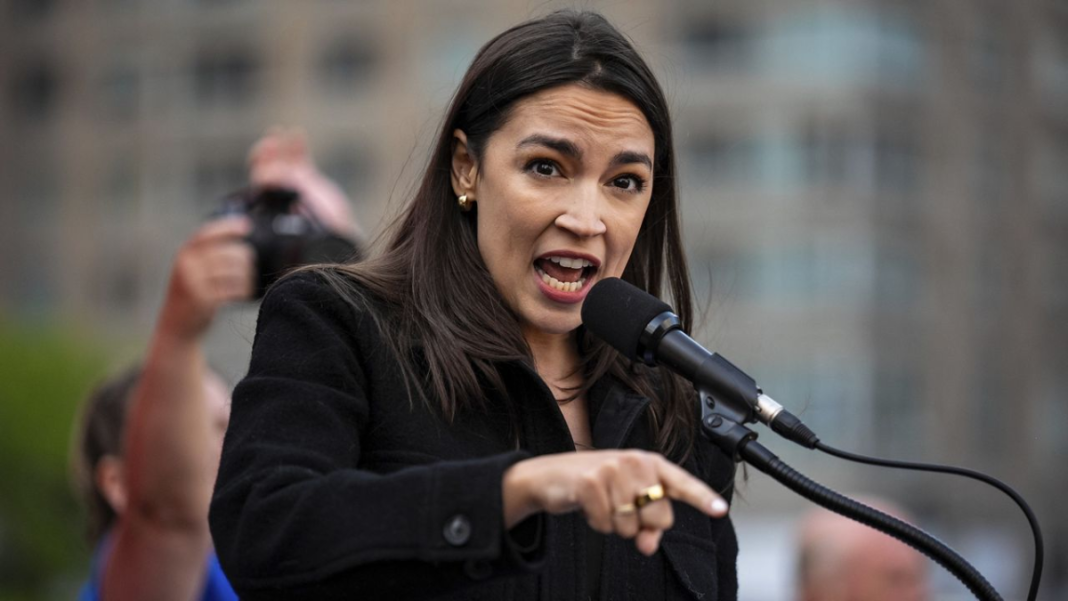


Representative Alexandria Ocasio-Cortez (AOC) triggered widespread attention after posting sharp criticism of the Justice Department’s release of documents related to Jeffrey Epstein. The files were released on December 19 and described by officials as a “complete” disclosure. However, many of the documents were heavily redacted, with large portions blacked out, leading to immediate backlash.
In her social media post, AOC said the release failed to meet basic standards of transparency. She argued that calling the release complete while hiding large amounts of information misled the public. According to her, the handling of the files appeared to protect powerful interests rather than uphold accountability and justice.
AOC used direct and clear language, saying the issue was “far from over.” She warned that those involved would have to answer for their actions. Her comments focused on the erosion of public trust, stating that people were promised openness but instead received documents that raised more questions.
She accused officials of shielding serious wrongdoing due to wealth and influence. AOC called for immediate accountability and said Attorney General Pam Bondi should resign. She also named FBI Director Kash Patel, saying both were responsible for how the files were released. Her comments quickly spread online and became central to the public discussion.
Lawmakers and Public Voice Growing Concerns
AOC’s remarks intensified an already growing controversy. Many people online echoed her concerns, criticizing the redactions and demanding clearer answers. Calls for resignations increased, reflecting frustration beyond social media.
Now the coverup is out in the open. This is far from over.
Everyone involved will have to answer for this. Pam Bondi, Kash Patel, whole admin.
Protecting a bunch of rapists and pedophiles because they have money, power, and connections.
Bondi should resign tonight. https://t.co/7KILMsuPwv
— Alexandria Ocasio-Cortez (@AOC) December 19, 2025
House committee releases photos from Jeffrey Epstein estate with candid and unsettling content
The senators criticized Attorney General Pam Bondi for skipping requested briefings that lawmakers from both parties had demanded. They said they wanted clarity on what the files contained and whether any new evidence existed. According to them, the lack of communication deepened public mistrust.
AOC’s post echoed these concerns and amplified them. Her message reflected the frustration shared by lawmakers and the public alike. Many felt the release failed to explain the full scope of the case and instead added confusion.
The strong reaction showed how deeply the Epstein case continues to affect public confidence. AOC’s words resonated because they framed the issue as one of honesty and responsibility, using language that was easy to understand and emotionally direct.
Redactions, Documents, and Official Explanation
The Justice Department released a large set of materials connected to Jeffrey Epstein, including court records, photographs, call logs, and related documents. The release was made under a transparency law intended to give the public access to important records.
Kamala Harris responds to criticism over Biden’s handling of Epstein-related documents
However, the heavy redactions became a central point of criticism. Many pages were partially or completely blacked out. Critics questioned how such a release could be considered meaningful transparency.
Deputy Attorney General Todd Blanche responded by explaining that certain information required protection. He said victim identities and details tied to ongoing investigations needed to be withheld. Blanche also stated that the department planned to release several hundred thousand additional documents over the following weeks.
Despite this explanation, criticism continued. AOC argued that while legal requirements may have been met, the spirit of transparency was not. She said excessive redactions weakened public confidence and undermined trust in the process.
The release of the Epstein files was expected to bring clarity. Instead, it renewed scrutiny and debate. AOC’s comments became a focal point of that debate, keeping attention on the handling of the documents and the officials responsible.