



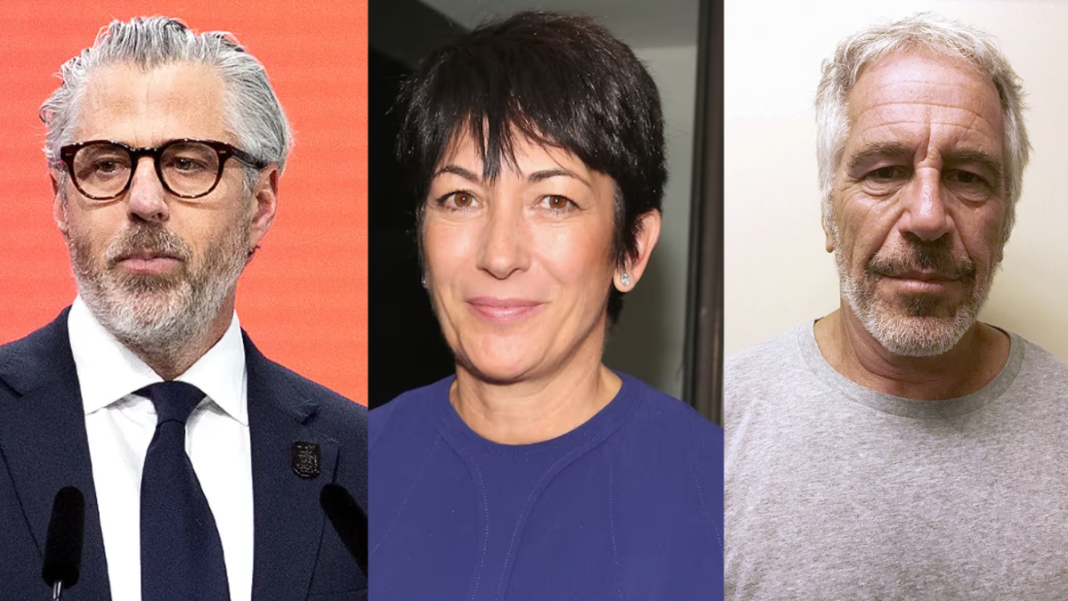


The head of a major talent agency has begun selling his company after renewed scrutiny over decades-old emails connected to figures in the Jeffrey Epstein case. The move comes after multiple artists cut ties with the agency, and public pressure increased recently.
In a memo to employees, Casey Wasserman said he believes he has become a distraction to the organization he founded 24 years ago. He apologized to staff and clients, stating that his past personal mistakes have caused discomfort and made it harder for the agency to focus on its work. He described the decision to sell as necessary to protect employees and maintain stability for clients.
The Wasserman Group is one of the most influential firms in sports marketing and talent representation. It represents athletes, entertainers, and brands across the world and employs around 4,000 people. The announcement of a sale marks a major shift for a company that has long held a powerful position in the entertainment and sports industries.
Artists Cut Professional Ties With the Agency
The controversy intensified after a number of musicians publicly announced they were ending their relationships with the agency. Those who departed include Chappell Roan, Best Coast’s Bethany Cosentino, Weyes Blood, Chelsea Cutler, Wednesday, Water From Your Eyes, Orville Peck, and Beach Bunny.
Epstein files reveal emails discussing how to “neutralize” journalist Tina Brown
Several artists explained that they hold their professional teams to high ethical standards. They said they felt it was important to act in line with their values. The departures created immediate ripple effects in the industry, as agencies rely heavily on reputation and trust.
As more names stepped away, attention shifted toward leadership at the top of the organization. The growing backlash placed additional pressure on Wasserman to respond decisively.
Wasserman Emails Resurface in Justice Department Release
The controversy centers on emails exchanged more than 20 years ago between Wasserman and Ghislaine Maxwell. The messages appeared in a recent batch of documents released by the U.S. Justice Department related to Jeffrey Epstein.
The emails contained suggestive language, including references to meeting in New York and arranging a massage. Maxwell responded with similarly suggestive remarks. The communications were part of a broader collection of historical emails and documents connected to the Epstein investigation.
DOJ filings place Jes Staley’s trustee role in Epstein trust under renewed scrutiny
Maxwell was later convicted for conspiring with Epstein to recruit and abuse underage girls between 1994 and 2004. Epstein, a financier, had previously been convicted of sex crimes and was arrested again in 2019 before dying in jail while awaiting trial.
Wasserman has not been accused of criminal wrongdoing. In his memo, he acknowledged the severe harm suffered by victims connected to Epstein and Maxwell. He said his contact with them was limited to a humanitarian trip in 2002 connected to the Clinton Foundation, along with a small number of emails he now regrets sending.
Sale Process Underway as Leadership Shifts
In announcing the sale of the Wasserman Group, Wasserman stated that the process has already begun. He said he believes new ownership will allow the company to move forward without continued controversy overshadowing its work.
During the transition period, chief operating officer Mike Watts will oversee day-to-day operations. Wasserman praised the company’s employees, calling them among the best in the business, and emphasized that clients deserve steady and focused representation.
Shock Epstein records outline hidden link to entrepreneur and Tesla board member Kimbal Musk
Despite stepping back from the agency, Wasserman will continue serving as chairman and president of the LA28 Olympic Organizing Committee. The committee confirmed that he remains in charge of preparations for the 2028 Summer Olympic Games in Los Angeles, even as criticism surrounding the emails continues.
The unfolding developments have drawn wide attention across the entertainment and sports sectors. The release of decades-old communications has led to immediate professional consequences, reshaped client relationships, and triggered one of the most significant leadership changes in the agency’s history.