



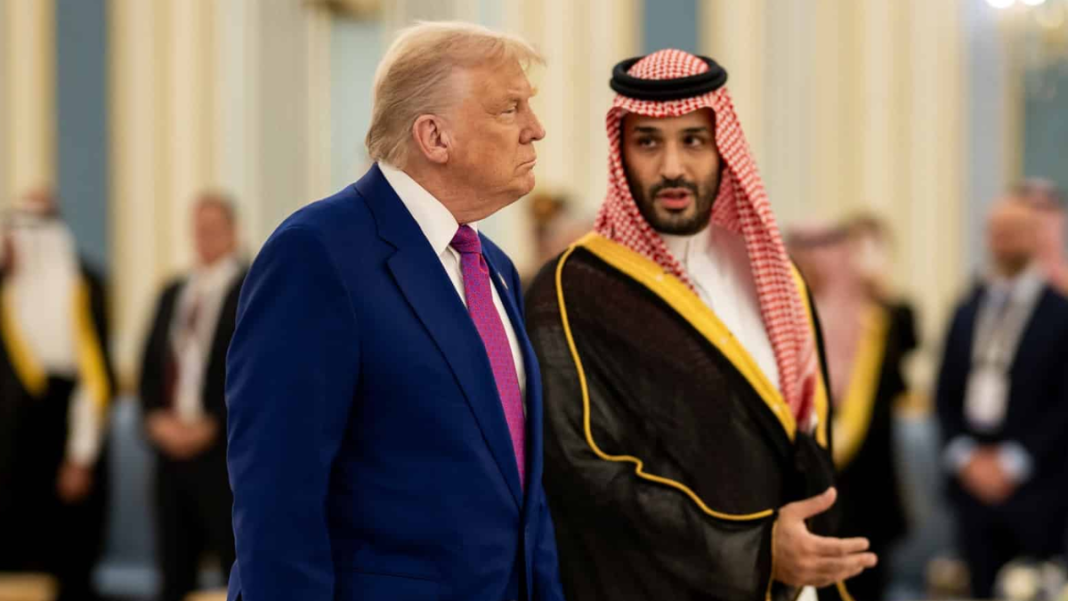


Foreign investors are at the centre of a major media controversy as Paramount–Skydance explores acquiring Warner Bros Discovery, the company that owns CNN. Reports indicate that Jared Kushner helped connect David Ellison’s Skydance team with large sovereign wealth funds from Saudi Arabia, Qatar, and the UAE to explore potential financing options, including a possible hostile bid.
CNN is one of the most influential news networks in the U.S., so any acquisition attempt draws close attention. The situation is particularly sensitive because it involves foreign government wealth, a prominent political family, and a major newsroom all at once.
The foreign investors “have agreed to forgo any governance rights – including board representation – associated with their non-voting equity investments.” Still, the size and source of the funds have raised concern among media and political observers, highlighting the unusual combination of political connections and foreign money.
Why foreign wealth in U.S. news triggers alarm
Foreign sovereign wealth funds investing in a company that owns a major U.S. news outlet has raised concerns because news shapes public understanding. Experts warn that even indirect influence from foreign governments can affect trust in coverage.
Many countries limit foreign ownership of news and restrict political families from holding stakes. The United States, however, has few such protections and treats media consolidation mainly as a business matter, using rules designed for cable, telecom, and entertainment mergers.
This creates a gap when deals involve both foreign wealth and political family involvement. Experts say it allows hidden influence even without formal control.
The Paramount–Skydance discussions show how foreign capital and political connections can enter a major media deal in the U.S. without the barriers seen in other democracies.
A reported conversation about changing CNN
Concerns grew when The Wall Street Journal reported that David Ellison told President Donald Trump he planned “sweeping changes at CNN” if his takeover succeeded. The report has not been disputed.
The conversation reportedly happened while Skydance was exploring a deal requiring regulatory review. Experts say a potential buyer signalling political value to a sitting president raises serious questions about newsroom independence.
Newsrooms are expected to remain separate from political pressure. Comments about changing coverage or direction for political gain are seen as a warning, and the involvement of foreign sovereign wealth funds adds to the concern.
Analysts note that while the U.S. has had politically opinionated media owners before, this situation is unique because it combines political insiders, foreign government wealth, and a major newsroom within the same deal.
What this episode reveals about the U.S. media system
Experts say the developing situation exposes a deeper weakness in the American media system. They argue that U.S. news outlets have increasingly been treated as investment assets rather than civic institutions, making them vulnerable to global capital, political connections, and large mergers.
This influence is rarely direct. It often appears through subtle pressure, quiet signals, or shifts in coverage that happen without formal orders. Specialists describe this as “media capture,” a form of influence that is not open censorship but still shapes how news organizations operate.
The United States has very few protections to prevent political families, foreign sovereign wealth, and corporate bidders from intersecting in a single media deal. There are no major restrictions on foreign investment in news companies, no strong rules separating political relatives from media transactions, and existing merger laws were not built for an era dominated by sovereign wealth funds and political access.
This is why the involvement of Saudi Arabia, Qatar, the UAE, Jared Kushner, David Ellison, and Donald Trump in discussions connected to CNN has drawn such intense attention. The timeline of outreach, the reported comments about making sweeping changes at CNN, and the role of foreign wealth have merged into one unusual and unprecedented moment.
For many experts, the facts now show how easily political power and foreign capital can enter the same media transaction, exposing a long-standing vulnerability that is no longer possible to ignore.