



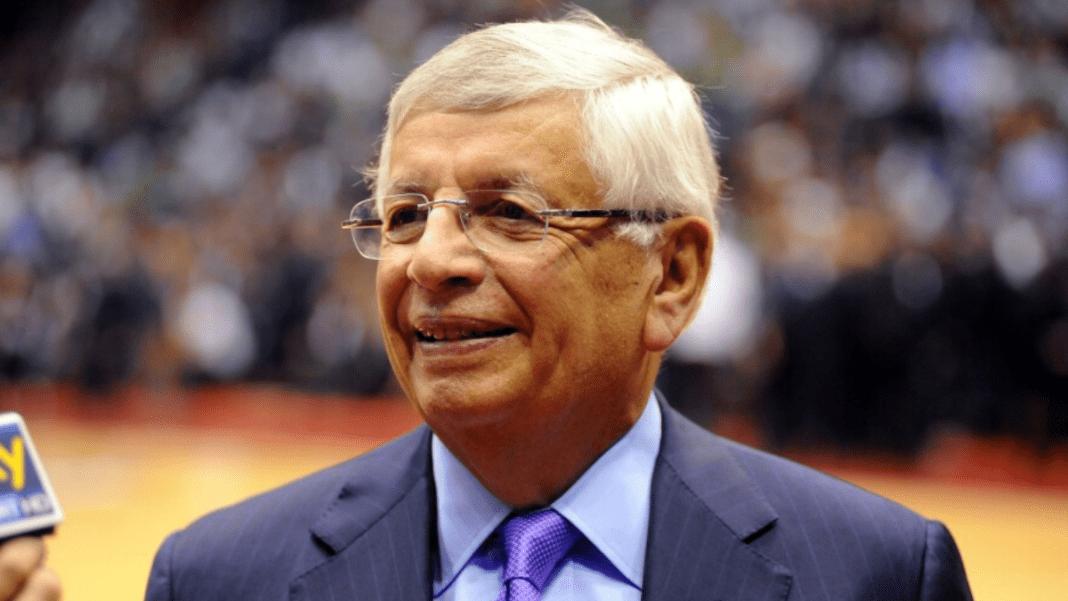


David Stern Newly examined documents have shed light on a complex international network that operated quietly across financial hubs in Europe and Asia. The records reveal how a relatively unknown financier was able to position himself among some of the most powerful names in global banking and investment, despite maintaining a low public profile.
The disclosures are significant because they highlight the scale of behind-the-scenes coordination in high finance. They show how relationships, introductions, and strategic advice helped create access to elite circles, raising fresh questions about how such networks functioned over a long period of time.
A Low-Profile Financier in a High-Stakes Network
A German financier named David Stern has come into focus after newly examined documents revealed his long-running association with Jeffrey Epstein. The records show that their relationship lasted nearly a decade, during which they exchanged thousands of emails and worked closely on business opportunities.
While Jeffrey Epstein was widely known for his connections in the United States, David Stern operated more quietly across Europe and Asia. His work focused on connecting investors, especially linking European companies with Chinese capital.
Despite not being widely recognized, David Stern managed to enter influential financial circles. He built relationships with senior bankers and investment professionals, often using introductions facilitated by Epstein. In emails, Stern even described himself as a “soldier,” showing how closely aligned he was with Epstein during this period.
David Solomon Accepts Resignation: How the ‘Uncle Jeffrey’ Files Changed the Game at Goldman
The communication between the two shows that Stern frequently sought guidance. He would ask Epstein for advice before meetings, discuss strategies, and follow suggestions on how to approach major deals. Their relationship blended business collaboration with personal trust, making it a deeply connected partnership.
Access to Top Bankers and Major Financial Deals
One of the most striking details in the documents is how David Stern gained access to leading bankers at JPMorgan Chase. Through Epstein’s connections, Stern interacted with senior figures such as Jes Staley, Larry Slaughter, and Emilio Saracho.
Emails reveal that Stern shared internal discussions with Epstein and asked for advice on how to handle these relationships. In one instance, he explored a large investment opportunity involving Deutsche Bahn. The idea was to bring in Chinese investors for a deal worth billions of euros.
Stern claimed to have attracted interest from major Chinese institutions such as China Investment Corporation and China Life Insurance. Plans included detailed strategies about investment size, structure, and presentation.
Epstein played an active advisory role, suggesting how David Stern should position himself and even how to structure partnerships with banks. One idea involved creating arrangements where Stern could benefit from the credibility of large financial institutions while maintaining flexibility in operations.
Jeffrey Epstein files reveal talks on EMI investment and links to social networks under review
However, many of these proposals did not move forward. Political developments, including the corruption case involving Liu Zhijun, slowed progress. Over time, communication with key bankers reduced, and the proposed deals did not materialize.
Private Equity Links and Elite Global Circles
Beyond banking, David Stern explored opportunities in private equity and high-value industries. Emails show discussions around major companies like EMI Group, which was struggling financially at the time.
David Stern referenced connections to Guy Hands and his firm Terra Firma Capital Partners. He also discussed whether political figures like Peter Mandelson could play a role in certain deals.
The network extended further into the hedge fund world, with Stern mentioning possible collaboration with Chris Hohn and discussions involving TCI Fund Management. There were also talks about working with Jonathan Rowland on investment funds.
In addition, Epstein shared opportunities with Stern, including a proposal related to AC Milan, then owned by Li Yonghong. These exchanges highlight how both individuals actively shared leads and explored potential investments together.
The documents also point to connections with royalty. David Stern had contact with Prince Andrew and was involved in his initiative Pitch@Palace. Emails suggest discussions about creating investment ventures that could use Andrew’s influence to attract wealthy clients.
Later, Stern launched new ventures, including Celestial Group, and brought in senior executives like Stefan Krause. Krause later moved into roles at Warburg Pincus and co-founded the electric vehicle company Canoo.
Stern also appeared in elite circles, such as advisory roles linked to the University of Cambridge Judge Business School and global events like the World Governments Summit in Dubai. He even presented himself as connected to Madison Square Garden Entertainment.
The documents show how Stern built a wide network that connected banking, private equity, politics, and global business. His role went beyond introductions, involving active participation in deal-making and strategic planning across multiple regions.