An Iran-linked espionage investigation that was shut down more than a decade ago by the government of Recep Tayyip Erdogan has returned to public attention after new criminal proceedings revived long-buried court records. The resurfacing comes amid an unrelated drug and organized crime investigation that has drawn renewed scrutiny to individuals whose names also appeared in the shelved intelligence file.
The original espionage investigation, widely known as Selam Tevhid, focused on alleged activities linked to Iran’s Islamic Revolutionary Guard Corps (IRGC) Quds Force inside Turkey. It was built on years of judge-approved wiretaps, surveillance, financial tracking, and sworn police testimony. Although the case once listed more than 200 suspects, it was abruptly closed in 2014. All evidence was discarded, and no indictments were filed.
Recent arrests and court disclosures in the drug case have prompted journalists and legal observers to reexamine why the espionage probe was halted and whether its findings were deliberately buried rather than tested in court.
Inside the Selam Tevhid investigation
The Selam Tevhid espionage investigation was launched between 2010 and 2013 by Istanbul prosecutors and counterterrorism police units. Investigators said the goal was to uncover a long-term influence and intelligence network operating through media, bureaucracy, and religious circles.
Among those monitored under court-authorized wiretaps was Mehmet Akif Ersoy, who at the time worked as a journalist for Turkey’s state broadcaster, TRT. Police records cited his foreign contacts, communications with other suspects, and family background as grounds for surveillance.
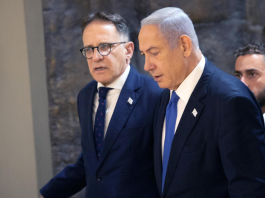
Iran-linked espionage probe rocks Israel as suspect photographed near Naftali Bennett’s home
Investigators described Ersoy as the son of a figure associated with the Iran-funded Selam newspaper and noted that several suspects were second-generation figures whose families had appeared in intelligence files dating back to the early 2000s. Surveillance reports showed continued contact between these individuals during the active phase of the investigation.
Another central figure named in the file was Furkan Torlak, described by investigators as an intermediary connecting Iranian-linked handlers with Turkish political and bureaucratic circles. Court records showed Torlak arranging meetings, introducing associates, and handling documents despite lacking formal security clearance.
The espionage investigation documented Torlak’s background in detail, including years of religious education at Iranian-run Shiite institutions in Syria. Investigators said this training was not reflected in official résumés and viewed it as part of long-term ideological preparation.
Wiretap transcripts also referenced conversations involving Nevzat Çiçek, who discussed media placements and internal coordination during the period when Ersoy moved into a senior role at Habertürk TV. Despite appearing in intercepted communications, none of these figures were charged after the case was shut down.
Wiretaps reveal links with senior officials.
Court-authorized wiretaps included in the Selam Tevhid file documented direct contact between Furkan Torlak and Yusuf Tekin, who at the time served as a senior bureaucrat at the Education Ministry. One intercepted call from 2013 shows Torlak speaking with Tekin to arrange meetings and introductions while the IRGC Quds Force investigation was ongoing. The call record includes judicial approval details and location data, confirming it was collected through legal surveillance procedures.
Another wiretap dated November 18, 2013, recorded a conversation between Nevzat Çiçek and Torlak in which Çiçek described how he had personally secured a senior media position for Ersoy. The transcript details discussions about media roles, television programs, and internal coordination at a time when Ersoy was under active surveillance as part of the espionage probe.
The Selam Tevhid file also contains summaries of wiretaps involving Hakkı Selçuk Şanlı, who told another suspect that Turkish intelligence had previously monitored him closely but stopped doing so after Hakan Fidan became head of the National Intelligence Organization (MİT). In the recordings, Quds Force-linked figures referred to Fidan by the codename “Emin,” meaning “trusted man,” and described his appointment as a turning point after which surveillance pressure eased.
Investigators cited these recordings as evidence that monitoring of suspected Iranian-linked networks slowed or ended during key administrative changes. None of the wiretaps were examined in open court after the espionage investigation was formally terminated.
Closure, prosecutions, and renewed attention
The espionage investigation probe was shut down in early 2014 during political turmoil tied to corruption investigations. The Selam Tevhid file was handed to İrfan Fidan, who dismissed the evidence, closed the case, and allowed foreign suspects to leave without indictments.
Afterward, prosecutors, judges, police officers, and journalists linked to the investigation were prosecuted or removed from their posts, limiting public debate. The case resurfaced after a separate drug and organized crime probe detained Mehmet Akif Ersoy, while Furkan Torlak later resigned from a government communications role.
Former police officials, including Erol Demirhan, have said the case was based on intelligence dating back to 2000 and was ended due to political intervention. Authorities deny the claims, though wiretap records remain in judicial archives.