



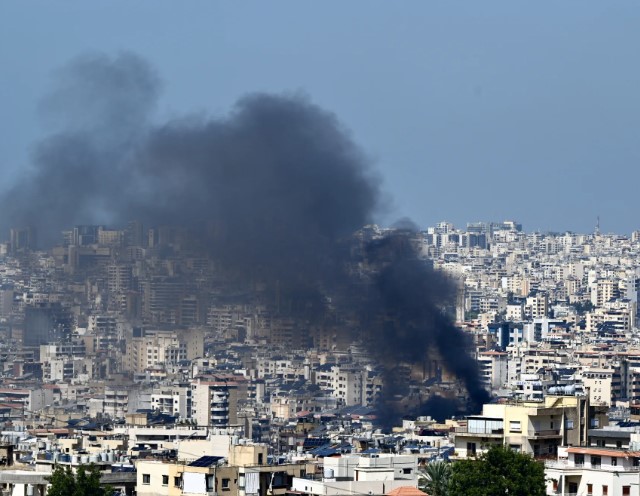


The Dahiyeh doctrine refers to a military strategy used by Israel. It is particularly applied during conflicts with Hezbollah, a militant group based in Lebanon. This approach gained prominence during the 2006 Lebanon War. It is characterized by the use of disproportionate force against both military targets and civilian infrastructure. The doctrine derives its name from the Dahiyeh neighborhood in Beirut. This neighborhood has been a significant target for Israeli military actions due to its association with Hezbollah.
Origins of the Dahiyeh Doctrine
The Dahiyeh doctrine was shaped by the experiences of the Israeli Defense Forces (IDF) during the 2006 Lebanon War. The conflict arose from ongoing tensions between Israel and Hezbollah, particularly after Hezbollah began launching rockets into northern Israel. In response to these attacks, the IDF initiated an extensive military campaign that included intense airstrikes and ground operations aimed at neutralizing Hezbollah’s capabilities.
The air attacks were not just focused on military sites but also targeted the infrastructure that supported Hezbollah’s operations. This included essential services like electricity, water supply, and transportation. The strategy was intended to send a clear message: if Hezbollah continued its attacks, the repercussions would be severe. The Dahiyeh doctrine emphasized that entire neighborhoods could be devastated if they were perceived as harboring or supporting militants.
During the conflict, significant destruction occurred in the Dahiyeh area, with entire blocks of homes flattened. Reports indicated that the military operations resulted in the deaths of approximately one thousand Lebanese civilians, many of whom were women and children. This widespread loss of life raised serious concerns about the morality and legality of the tactics employed by the IDF.
The Nature of Disproportionate Force
The core principle of the Dahiyeh doctrine is the application of disproportionate force. This means that Israel may respond to a smaller attack with a much larger military response, which can include significant collateral damage. For example, if a specific area fires a rocket, the military might respond by targeting that area with overwhelming firepower. This often results in the destruction of homes, schools, and hospitals, even if those structures do not directly participate in military activities.
The rationale behind this approach is to deter future attacks by demonstrating the severe consequences that can arise from engaging in hostilities against Israel. By crippling the enemy’s infrastructure and inflicting high civilian casualties, Israel aims to weaken the resolve of its adversaries.
This strategy has faced widespread condemnation from various human rights organizations and international observers. Critics argue that such actions violate the principles of proportionality and distinction in international humanitarian law. These principles dictate that parties in a conflict must differentiate between military targets and civilians and that the harm caused to civilians must not be excessive in relation to the anticipated military advantage.
Despite these criticisms, the Dahiyeh doctrine remains a key element of Israel’s military strategy against groups like Hezbollah. Military analysts and leaders within the IDF believe that by applying such a strategy, they can achieve strategic advantages and discourage further aggression from non-state actors.
Impact on Civilian Life and Infrastructure
The implications of the Dahiyeh doctrine extend far beyond the battlefield. The extensive military operations during the 2006 Lebanon War led to significant humanitarian crises in affected areas. In addition to the tragic loss of civilian life, the destruction of infrastructure severely impacted daily life for many Lebanese people. Roads, bridges, schools, and hospitals were rendered inoperable, leaving communities without essential services.
The damage inflicted during the conflict had long-lasting effects on the Lebanese economy. Reconstruction efforts required substantial resources and time, as teams rebuilt entire neighborhoods from the ground up. Many families faced displacement, living in makeshift shelters or relying on aid organizations for their basic needs.
Ethical Challenges of the Dahiyeh Doctrine
The Dahiyeh doctrine’s emphasis on targeting infrastructure has also raised questions about the ethics of warfare in modern conflicts. The idea suggests that people may view civilians as legitimate targets. This perception arises if they believe the civilians support enemy forces, creating a complex moral dilemma. The suffering experienced by innocent people caught in the crossfire highlights the challenges faced by military planners and policymakers in balancing national security objectives with humanitarian considerations.
The Dahiyeh doctrine serves as a crucial element of Israel’s military strategy against Hezbollah. By employing disproportionate force, Israel aims to deter attacks and degrade its adversaries’ capabilities. However, the impact of this doctrine extends beyond military considerations, affecting countless civilians who bear the brunt of the conflict. The enduring consequences of these tactics highlight the need for ongoing dialogue and scrutiny regarding the conduct of armed conflict and the protection of civilian lives.