



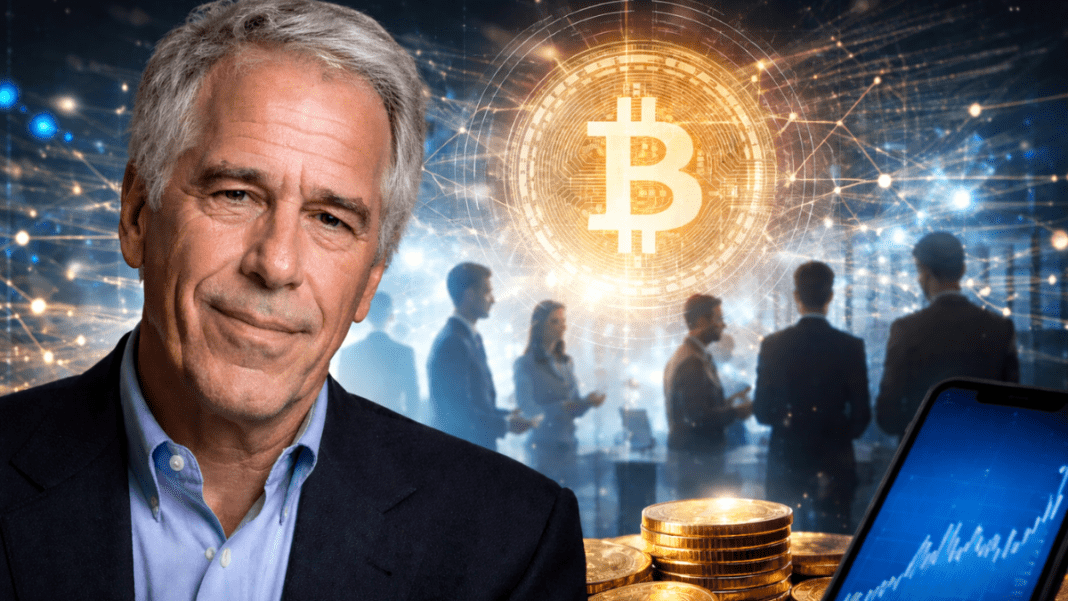


Years before cryptocurrency became a household term, Jeffrey Epstein was already exploring Bitcoin and digital finance. Newly reviewed communications show that as early as 2013, he was studying cryptocurrency and speaking with influential figures in technology and investment circles.
At that time, Bitcoin was still new and often misunderstood. Many people saw it as risky or experimental. Yet Epstein appeared to recognize both its financial potential and its legal risks. Emails and financial records suggest he was not casually curious. He was carefully examining how cryptocurrency could fit into larger financial strategies.
Early Bitcoin Discussions and Major Investment Access
In April 2013, Steven Sinofsky contacted Jeffrey Epstein to discuss Bitcoin. In the message, Sinofsky mentioned that Marc Andreessen was highly interested in virtual currency and noted that a leading PayPal executive was also involved in the space. Epstein replied with a sharp focus on regulation. He warned that Bitcoin could face serious trouble if linked to money laundering investigations. His comments showed awareness that government action could affect the future of digital assets.
By 2014, Epstein’s cryptocurrency discussions appeared more concrete. Brock Pierce, a former child actor who became a major cryptocurrency investor, emerged as a key connection. Pierce described himself as deeply active in Bitcoin and programmable currency investments. In October 2014, he informed Epstein about a large Bitcoin-related deal valued between $10 million and $12 million.
Soon afterward, Pierce contacted Epstein about an early funding opportunity in Coinbase. In December 2014, he explained that a significant portion of the funding round—around $12 million—was available. At that time, Coinbase was still growing and had not yet become a global cryptocurrency exchange leader. Being offered participation in such a round indicated that Epstein was considered financially capable of entering major digital currency deals.
These exchanges show that Epstein had access to premium cryptocurrency investment opportunities during the industry’s early development phase.
Academic and Policy Connections in Cryptocurrency
Epstein’s network extended beyond investors. He also connected cryptocurrency figures with respected academic and policy leaders.
One example involves Joi Ito, who served as Director of the MIT Media Lab. Ito led the MIT Bitcoin Project, which distributed $100 worth of Bitcoin to undergraduate students so they could experiment with digital currency. Epstein introduced Ito to Larry Summers, a former U.S. Treasury Secretary. This introduction connected academic research with high-level economic policymakers.
Casey Wasserman moves to sell talent agency after Epstein-linked emails resurface
In another email, Epstein referenced regulatory developments, stating that the “bitcoin initial ruling is very pro govt.” This suggests he was closely monitoring how regulators were approaching cryptocurrency oversight.
Ito also mentioned working with U.S. Treasury officials and referenced Anne Wallwork, who served as Senior Counselor for Strategic Policy at the Office of Terrorist Financing and Financial Crimes. This indicates that cryptocurrency policy discussions were taking place among officials connected to Epstein’s wider network.
Later, Jeremy Rubin, who helped manage the MIT Bitcoin Project, was introduced as someone knowledgeable about cryptocurrency regulation and taxation. His involvement highlights that Epstein’s contacts included experts studying how digital currency would be governed and taxed.
Financial Infrastructure and Documented Transfers
Financial documents show references to “LEGAL WORKSTATION BTCO USA,” suggesting connections to entities capable of handling complex financial transactions. Several wire transfers were linked to this name. Records also show a $1,000 transfer to Alior Bank SA in Warsaw, Poland, in December 2013. Poland was among the countries actively developing cryptocurrency regulations during that period.
The available records do not confirm whether Epstein completed investments in Coinbase or other Bitcoin ventures. There is no documented proof detailing the size of any cryptocurrency holdings. The documents also do not show direct evidence that cryptocurrency was used in criminal activity.
Petra bill ignites firestorm over Epstein’s 170M link to Peter Thiel
However, they clearly demonstrate early positioning within the cryptocurrency ecosystem. Epstein communicated with Brock Pierce about multimillion-dollar Bitcoin deals, discussed regulatory issues following insights shared by Steven Sinofsky, connected Joi Ito with Larry Summers, and was aware of Treasury-level discussions involving Anne Wallwork.
The investment opportunities presented to him, ranging up to $12 million, show that he had access to significant digital finance deals during cryptocurrency’s early expansion. The records outline a network linking investment, academic research, regulatory awareness, and financial infrastructure during a pivotal moment in cryptocurrency history.