



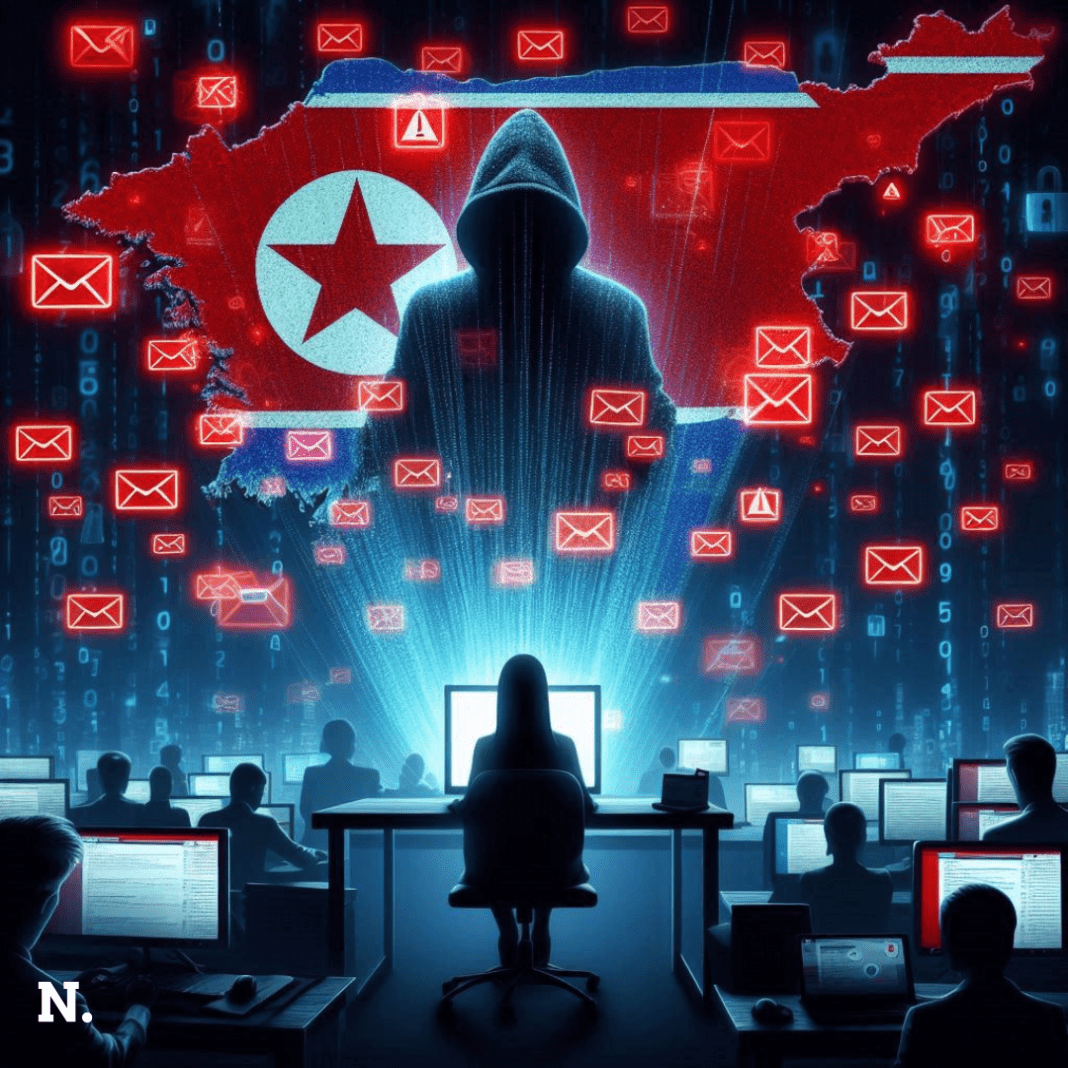


Massive Cyber Attack Hits South Korea Amid Political Unrest
A huge wave of cyberattacks recently hit South Korea during a time of political turmoil. From November to January, North Korean hackers sent over 120,000 emails filled with dangerous malware, the Korean National Police Agency (KNPA) revealed. These emails were part of a plan to steal personal information from South Koreans.
The most concerning part of this attack happened on December 11, just eight days after a tense moment in South Korean politics when a martial law declaration was made. On that day, a large number of these emails were sent out with a subject line that read, “Defense Counterintelligence Command’s Martial Law Document.” This made the emails seem very official and urgent, tricking many people into opening them.
The hackers targeted people who work in very important jobs, especially in areas related to unification, diplomacy, national defense, and security. Over 17,000 South Koreans were targeted over a span of three months. The police say the hackers were trying to collect personal information, including details about North Korean defectors and the South Korean military.
Emails Looked Real But Were Very Dangerous
These fake emails were cleverly designed to look real. Hackers made it seem like the messages were coming from friends or co-workers. To fool the victims, they changed small parts of email addresses or websites. This made it harder for people to notice anything strange.
The emails weren’t all the same. Some talked about martial law and political news in North Korea. Others looked like invitations to concerts by popular singers. There were even messages pretending to be about tax refunds. All of these were just tricks to make people click on the links inside the emails.
How Cyber Attacks on Industrial Control Systems Can Endanger Lives ?
When someone clicked a link in one of these emails, it took them to a fake website that looked real. This fake site then asked the person to log in, giving the hackers access to their personal information. This is known as phishing — a way to “fish” for someone’s private data by pretending to be something trustworthy.
According to police, at least 120 people were tricked and had their information stolen this way.
Police Confirm North Korean Connection
While the police didn’t name the specific group of hackers, they did confirm that the server used in the attack was the same one linked to previous cyberattacks from North Korea. This strongly points to a connection with North Korean government-related groups.
In their investigation, authorities found that the hackers were not just randomly sending emails. They were trying to gather specific information about people who have fled from North Korea, as well as details related to the South Korean military. This kind of data could be very valuable to North Korea.
Critical Vulnerabilities: The Dark Side of Pacemaker Technology
The KNPA’s National Office of Investigation said they are taking this matter very seriously. They are working to strengthen their systems to fight back against such cyberattacks. The police also urged everyone to be extra careful about emails from unknown senders. They warned not to click on links or download files unless you’re completely sure they’re safe.
As this attack shows, even something as simple as an email can be dangerous when used by skilled hackers. The public is being reminded to double-check web addresses and email IDs, and to report anything that looks suspicious.
This cyberattack has highlighted how even digital messages can be used to cause real-world damage, especially during times of political stress.