
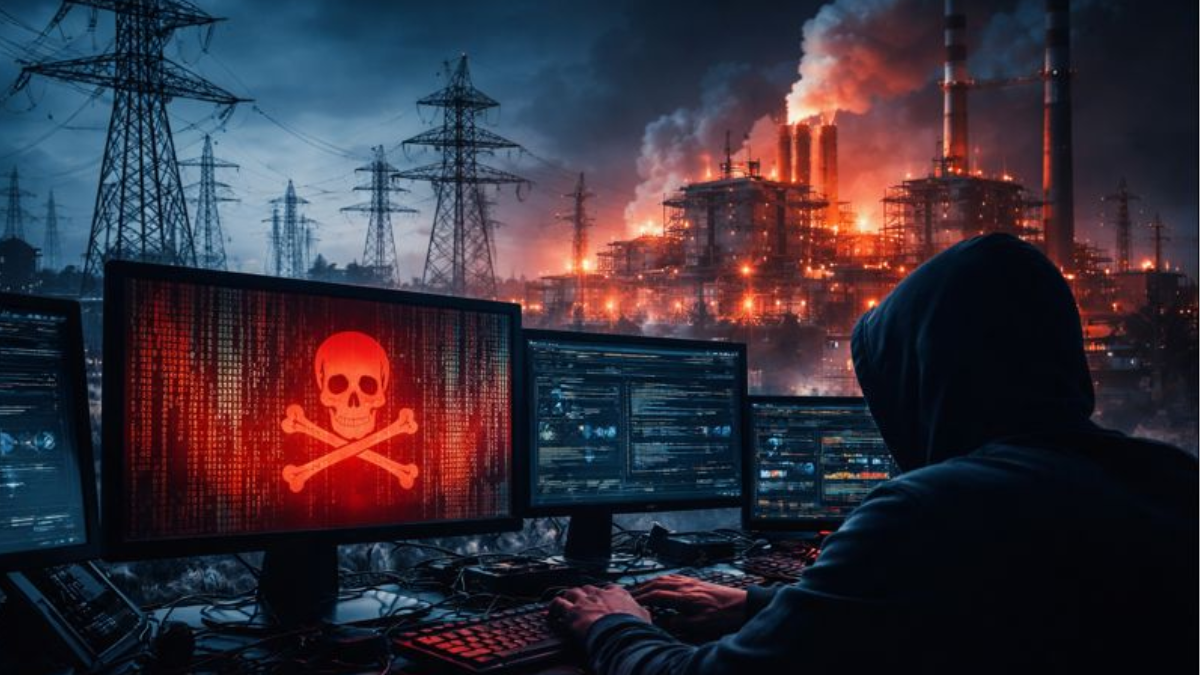
Poland has reported a major cyberattack on its energy infrastructure, raising serious concerns about public safety and national security. The incident, which occurred in late December 2025, targeted dozens of energy-related facilities across the country and is believed to be linked to Russian intelligence-backed hackers.
Polish cybersecurity officials described the attack as one of the most severe digital assaults the country has faced in recent years. Although no widespread blackouts occurred, the operation came dangerously close to disrupting heating and power supplies during one of the coldest times of the year.
Widespread Targeting of Poland’s Power and Heating Facilities
The cyberattack affected around 30 renewable energy installations, a manufacturing firm, and a large heat production plant that supplies warmth to nearly 500,000 people in Poland. Investigators found that the attackers were not trying to steal information. Instead, their goal was to damage systems and erase data, which experts described as similar to digital sabotage.
Cyber war erupts as Russian-backed hackers strike Poland’s hospitals and water supply
One of the most serious attempts involved a combined heat and power facility. Hackers tried to permanently destroy stored data, which could have shut down operations and left large populations without heat or electricity. Security systems successfully blocked this part of the attack, preventing real-world harm.
The timing of the cyberstrike was especially concerning. It took place during freezing temperatures and snowstorms, when energy systems are under the greatest strain. Even a brief disruption could have placed vulnerable communities at risk.
Evidence Links the Attack to Russian Hacking Groups
Poland’s national cybersecurity team believes the attack was likely carried out by a hacking group connected to Russia’s domestic intelligence service. This group has a long history of targeting industrial and energy systems in other countries.
Independent cybersecurity researchers, including teams cited by John Hultquist, stated that the malware used in the attack closely matched tools linked to a Russian military intelligence unit. A later report suggested that while the malware matched this group’s past operations, other parts of the attack may have involved different hackers, pointing to a complex and coordinated effort.
Polish leaders, including Energy Minister Miłosz Motyka, Digital Affairs Minister Krzysztof Gawkowski, and Prime Minister Donald Tusk, said there is no final public proof, but technical evidence strongly suggests Russian involvement. Cyber experts explain that attackers often hide their identities, but repeated patterns in code, tactics, and targets help investigators identify likely sources.
Growing Cyber Threats to National Infrastructure
This incident highlights a growing global concern: cyberattacks are no longer limited to data theft or online disruption. They are increasingly designed to cause physical damage by targeting essential services like electricity, heating, and manufacturing.
Polish authorities have confirmed that the country experienced one of the highest levels of cyberattacks in the European Union in 2025. In December, officials said Poland narrowly avoided a major power blackout due to a separate digital intrusion, showing how close these threats can come to real-world consequences.
Emergency meetings were held at the highest levels of Poland government following the December attacks. Leaders warned that energy infrastructure remains a prime target and that stronger defenses are urgently needed to protect citizens and public services.
Cybersecurity experts say such attacks represent a shift from long-term digital spying to direct sabotage. This change increases the risk to everyday life, as energy disruptions can affect hospitals, homes, schools, and businesses.
Taiwan moves to block sanctions evasion after Ukraine warns Russia needs foreign parts
Although the December attacks did not cause widespread outages, they exposed how vulnerable modern systems can be. As more infrastructure becomes digitally connected, the risk of similar incidents grows.
For the public, these attacks may be invisible, but their impact could be immediate and severe. A successful cyberstrike on energy systems could leave homes without heat, factories idle, and critical services offline.
The recent events in Poland underline the urgent need for strong cybersecurity defenses, rapid response systems, and international cooperation to prevent digital threats from turning into real-world emergencies.