



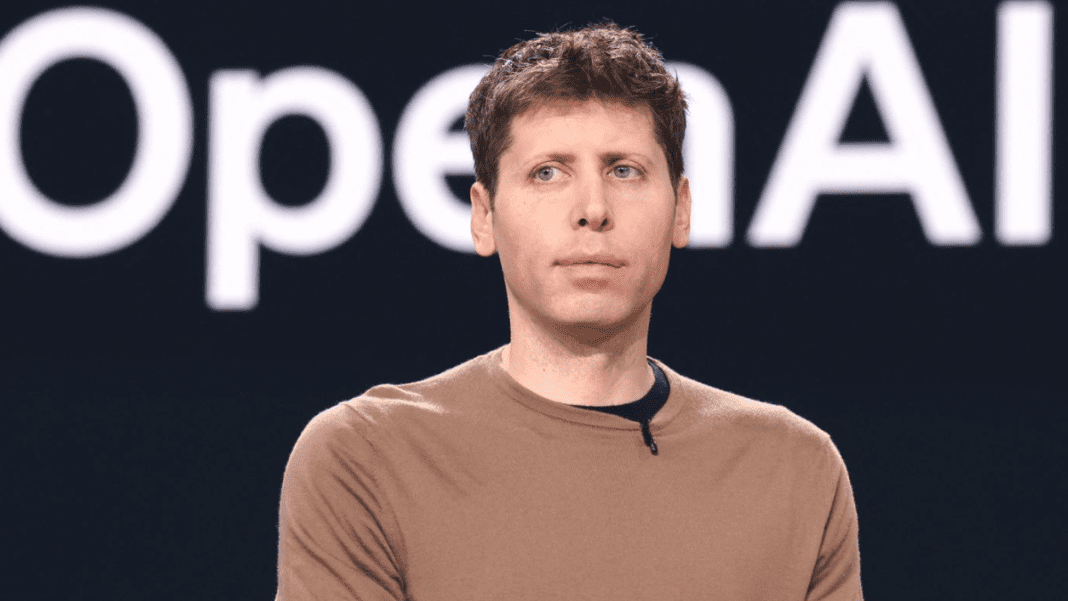


The shutdown of Sora by OpenAI has triggered widespread discussion across both the technology and entertainment sectors. Once promoted as a major step forward in AI-driven video creation, the platform has now been discontinued due to unresolved technical and safety concerns. The decision has quickly influenced industry sentiment, with companies, creators, and investors reassessing their expectations from advanced AI tools.
The move also led to a major financial impact. Disney withdrew its planned $1 billion investment in OpenAI following the end of the Sora project.
Sora Shutdown- Industry Reaction and Financial Impact
The withdrawal of Disney’s investment has drawn attention to the risks associated with large-scale AI projects. Many companies had been accelerating their investments to stay competitive during what was often described as an “AI gold rush.” However, the closure of Sora has prompted a more measured approach.
Bernie Sanders warns AI push by Musk Zuckerberg and Altman focuses on wealth not public benefit
Studios and production teams that had begun experimenting with the platform are now adjusting their plans. Some projects that relied on AI-generated video tools have been delayed, while others are shifting back to traditional production methods. This disruption highlights how quickly such tools had been integrated into certain workflows.
Investors are also showing caution. The cost of developing and maintaining high-performance AI systems remains high, and when combined with safety concerns, it raises questions about long-term sustainability. Companies are increasingly focusing on balancing innovation with practical limitations.
The association of Sam Altman with the Sora project has further emphasized the scale of this development. It reflects how closely leadership, technology, and partnerships were connected in shaping expectations around the platform.
Technical Limits and Safety Challenges Come to the Forefront
Sora was designed to generate realistic videos from simple text instructions, making it a powerful tool for creators. It promised efficiency, cost savings, and new creative possibilities. However, as usage expanded, certain limitations became more visible.
One of the key challenges involved maintaining consistency in longer video sequences. The system also faced difficulties in precisely controlling how scenes were generated, which reduced its reliability for professional use. These technical issues made it harder to meet the standards required for large-scale production.
Microsoft pushes toward AI self-sufficiency after $135 billion OpenAI restructuring
Safety concerns added another layer of complexity. AI-generated video content carries risks, including the possibility of creating misleading visuals or content that could be misused. Managing these risks across a wide user base proved difficult, especially when ensuring that outputs remained appropriate in all cases.
OpenAI determined that these challenges could not be effectively resolved within the current framework. Instead of continuing with a limited rollout, the company chose to discontinue the platform entirely. This decision has raised broader questions about whether current AI systems are ready for widespread use in video production.
Rising Debate Around AI Growth and Sustainability
The end of Sora has intensified discussions about the pace of AI development. In recent months, the sector had seen strong investment activity, with companies racing to introduce new tools and expand capabilities. Sora had been one of the most visible examples of this trend.
Digital war rooms rise as A1 and OSINT reshape how people follow global conflicts
Its shutdown has highlighted the gap between expectations and current technological realities. While AI continues to evolve, building systems that are both highly capable and consistently safe remains complex. This has led some analysts to describe the moment as an early sign of a slowdown in rapid AI expansion.
The term “AI bubble burst” has begun to appear in discussions, referring to a situation where high expectations are followed by a period of reassessment. Although AI remains an important area of innovation, the focus is now shifting toward stability, cost management, and responsible deployment.