



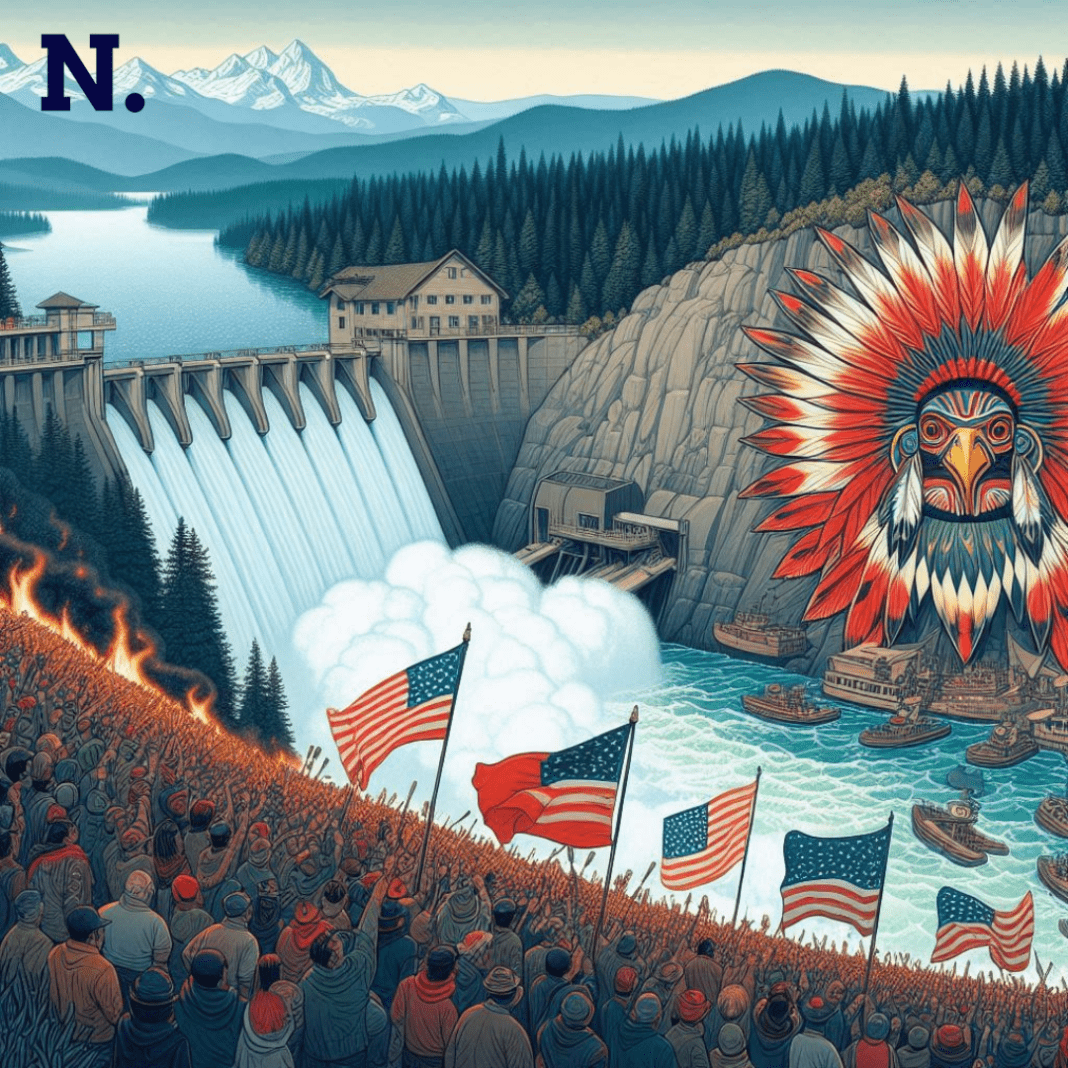


The U.S. government now formally recognizes the deep, long-lasting impacts of dam construction on Pacific Northwest Native American groups. This stated time and again by groups such as the Nez Perce, Yakama, and Umatilla, who have spoken out for generations about how those very dams destroyed the delicate balance of their lands, culture, and traditional ways of life. It’s an important acknowledgment that sets an important stepping stone toward the redress of historical grievances and ongoing struggles faced by these communities.
Government Impact on Native groups
Scores of Native American groups relied on diverse Pacific Northwest ecosystems for thousands of years, mostly through rich salmon resources intrinsic to subsistence and cultural purposes. During the early part of the 20th century, large dams such as Bonneville, Grand Coulee, and Dworshak dramatically altered each of these river systems. Indigenous communities depended on traditional practices and habitats for survival and cultural sustenance, but these were altered by the construction of hydroelectric power projects, irrigation systems, and flood control structures.
.While these dams brought incredible economic benefits and energy resources to the wider region, they exacted a heavy cost on the Native groups. The dams blocked salmon migration routes, decimating fish populations and, by association, their traditional tribal fishing practices. Communities were displaced and entire landscapes were submerged, disrupting ecosystems that had been meticulously managed by Native peoples for generations.
Government Acknowledgment of Dam Impacts
In a statement earlier this year, the U.S. Department of the Interior officially acknowledged the rampant destruction these dams have caused. “We recognize the significant adverse effects that damming has had on the indigenous peoples of the Pacific Northwest,” said Secretary Deb Haaland. “They’ve disrupted the way of life, economic systems, and spiritual practices, and caused deep, long-lasting wounds to tribal communities.
The move comes after years of activism and lawsuits by Native groups and their allies. Tribal leaders generally approve the government’s acknowledgment of these atrocities as a necessary first step for real reparations and restorative work. However, they warn that this statement must be followed by concrete actions.
The Impact on Salmon and Culture
Salmon runs of millions are now down dramatically. Dams block access to upstream spawning grounds, and altered river flows have degraded habitat quality. Hatchery programs and fish ladders have been instituted to mitigate these impacts but have been unable to restore fish populations to their historic levels.
To the groups, salmon are not merely a source of food but have served and continue to be part of their cultural and spiritual ways of life. Salmon’s life cycle drives rituals, stories, and songs. With the decline in salmon runs, therefore, that has resulted in cultural identity and heritage being lost.
Economic and Social Consequences
The economic impact upon the Native groups is immense. Traditional fishing rights, sustained by very old treaties, are now rendered meaningless in view of the dramatic reduction of fish populations. This in turn has caused economic hardship and almost an aftereffect of actual dependence upon government assistance.
Socially, it has led to feelings of loss and dislocation for the tribal people whose traditional practices have been disrupted. Added to this dislocation on account of submergence of lands and deterioration of natural resources. Contributed towards hugely compounded problems of poverty, unemployment, and health-related issues in these communities.
Path Forward: Restoration and Reparation
It is the acknowledgment by the U.S. government that opens a pathway into full restoration and reparation. Tribal leaders call for the demolition of some dams, advanced fish-passage technologies, and river-ecosystem restorations. Some dams, prioritized more than others for removal based on their great impact on the salmon migration, as would be the case for those on the lower Snake River.
Another aspect is investment in economic development activities that align with the values of the group and in sustainable practices. Such investment means funding habitat projects, support for traditional select fishing, and renewable energy means that do not harm habitats.
Collaborative Efforts and Legal Frameworks
Restoration to anything like successful levels will entail coast-to-coast federal, state, and tribal cooperation. In a legal mandate that includes treaty rights and the trust responsibility of the U.S. government. This will be no small task, as industry interests are deep penetrating and invested in the dams.
The tribal leaders also called for greater representation in decision-making that pertains to natural resource management. Traditional ecological knowledge and practices can result in more effective, sustainable environmental policy if integrated with conventional practice.
Conclusion : Restoring Native groups’ Justice
It is of importance that the U.S. administration has admitted to the destructive effects of Northwest dams concerning Native groups . In clear terms, this means additional work is required to help restore historical justice and further develop. A future of respect, cultural preservation, and restoration of well-being amongst Native American communities. Much will depend on sustained effort, collaboration, and a commitment to redressing historic wrongs. Making sure Native group are central to the voice of decision-making related to restoring their lands and waters.