In today’s digital world, audio and video content is everywhere. From lectures and podcasts to webinars and meetings, spoken content has become a central part of how we share and consume information. However, listening to hours of audio or video can be time-consuming, and reviewing important points can be challenging. This is where audio and video transcription comes in, providing a way to transform spoken words into clear, readable text that can be searched, referenced, and shared easily.
Tools like Noscribe have made this process simpler by combining advanced speech recognition technology with intuitive interfaces. Whether you are looking to convert audio to text for a study project, business documentation, or content creation, understanding how transcription works can help you make better use of your recordings.
What Audio and Video Transcription Means
Audio and video transcription is the process of converting spoken words in recordings into written text. It can involve simple verbatim conversion, where every word is captured exactly as spoken, or more sophisticated methods that capture context, tone, and intent.
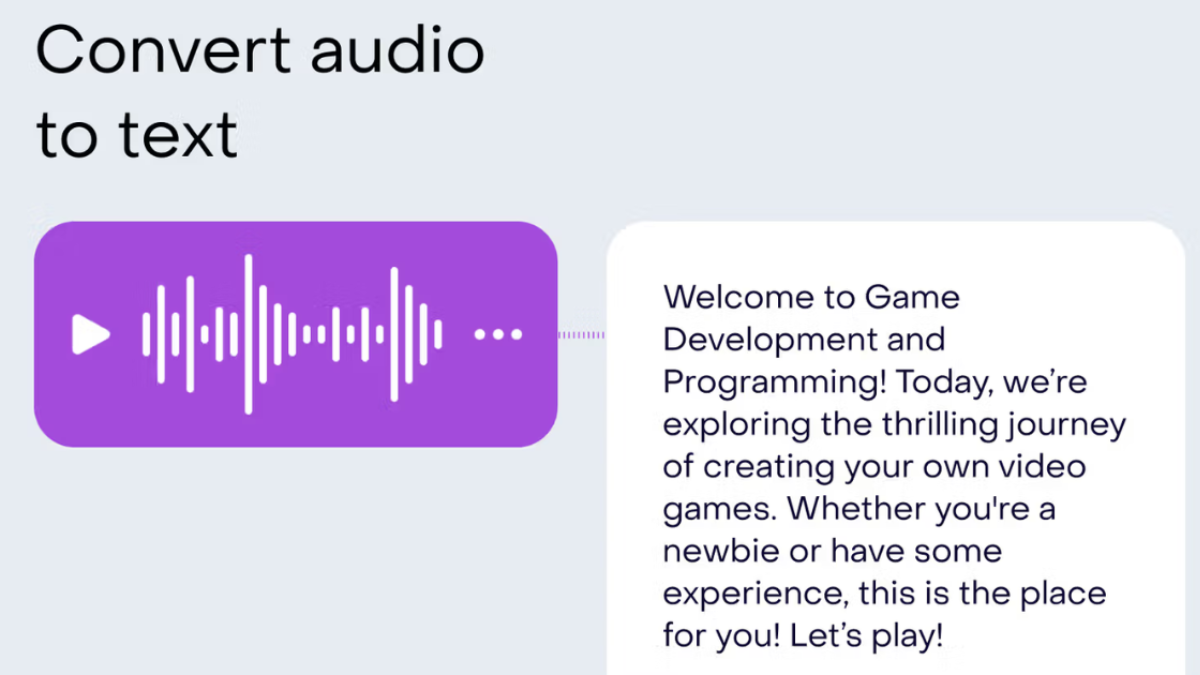
Manual transcription, done by human transcribers, was the standard in the past. Today, modern audio to text converters use artificial intelligence to automate the process, offering faster and more accurate results. These tools not only save time but also make it possible to process large volumes of recordings efficiently.
The Importance of Transcription in Daily Life
Transcription has a significant impact in various areas. In education, students convert lectures into detailed notes for easier review. In business, transcripts of meetings, interviews, and presentations provide documentation for future reference. Journalists and researchers rely on transcripts to analyze information efficiently, while content creators use them to produce scripts and captions. Transcripts also improve accessibility for people with hearing impairments or for those who prefer reading.
By turning speech into clear text, transcription enhances productivity, comprehension, and information management.
The Process of Audio and Video Transcription
Modern transcription involves several steps to ensure spoken content is accurately converted into text.
Uploading Audio or Video Files
The first step is uploading the recording into a transcription platform. Tools like Noscribe support multiple file formats including MP3, WAV, MP4, and more, making it easy to work with recordings from different devices and sources.
Recognizing Speech and Context
Once the file is uploaded, AI-powered engines analyze the audio to detect speech patterns. The system separates spoken words from background noise, recognizes different accents, and identifies sentence structures. Unlike earlier tools, modern transcription technology understands the context of sentences, which greatly improves accuracy.
Speaker Identification
In recordings with multiple participants, distinguishing between voices is essential. Speaker identification uses tone, pitch, and speech characteristics to label each speaker. This is particularly useful for interviews, podcasts, webinars, and meetings.
Generating Readable Text
After processing, the recognized speech is converted into readable text. Modern transcription tools automatically add punctuation, structure paragraphs, and create transcripts that are easy to follow. Users can download the final transcript in formats such as TXT, DOCX, PDF, SRT, or VTT depending on their needs.
Accuracy in Audio and Video Transcription
Accuracy is the most critical element in transcription. Errors can change the meaning of sentences or make transcripts difficult to use. Factors affecting accuracy include:
- Audio quality and clarity of speech
- Accents, dialects, and speaking speed
- Background noise and overlapping voices
- Contextual understanding of full sentences
Platforms like Noscribe have developed AI engines capable of high accuracy even in challenging conditions, including multiple speakers and varying accents.
Multilingual Transcription for Global Audiences
Many users operate in global or multilingual environments. Modern transcription systems support over one hundred languages and dialects. This allows content to be converted into written form for international audiences, global teams, or educational purposes.
With multilingual transcription, recordings in different languages can be understood, analyzed, and repurposed efficiently, breaking language barriers and expanding accessibility worldwide.
Flexible Export Options
After transcription, it is important to use the text effectively. Modern platforms provide multiple formats for export:
- Text files for note-taking and editing
- Document files for creating reports or articles
- PDF files for easy sharing and printing
- Subtitle files for videos
Additional features like timestamps and speaker labels improve usability, making it easier to follow long recordings and reference key points quickly.
Practical Applications of Audio and Video Transcription
Audio and video transcription benefits various professional and personal applications.
Education and Learning
Students can convert lecture recordings into structured notes that are easier to study and review. Transcription makes it simpler to identify key points without replaying entire sessions.
Business and Professional Use
In corporate environments, transcripts help record meetings, interviews, and client discussions. This ensures that decisions and action items are documented and accessible.
Content Creation
Podcasters, video creators, and journalists can convert recordings into scripts, articles, or captions. Transcription simplifies content repurposing and improves content reach.
Accessibility
Transcripts make content accessible to individuals with hearing challenges and those who prefer reading over listening. Multilingual transcription also broadens access for global audiences.
Choosing the Right Audio to Text Converter
Selecting a reliable transcription tool is crucial for effective results. Look for platforms that offer:
- High accuracy in speech recognition
- Support for multiple languages and accents
- Speaker identification for multi-person recordings
- Flexible export formats for different workflows
- Fast processing for large audio or video files
These features ensure that the transcripts are accurate, readable, and immediately usable.
Final Thoughts
Audio and video transcription has transformed the way we handle spoken content. By converting speech into clear text, it improves accessibility, supports learning, enhances productivity, and enables efficient content management. Tools like Noscribe and other AI-powered Audio to text converter or Audio to text simplify the transcription process, making it faster and more accurate than ever.
Understanding how transcription works, its accuracy factors, and its practical applications allows individuals and organizations to make the most of their recordings. Whether for education, business, journalism, or content creation, transcription ensures that valuable information is preserved, organized, and ready for use in written form.