



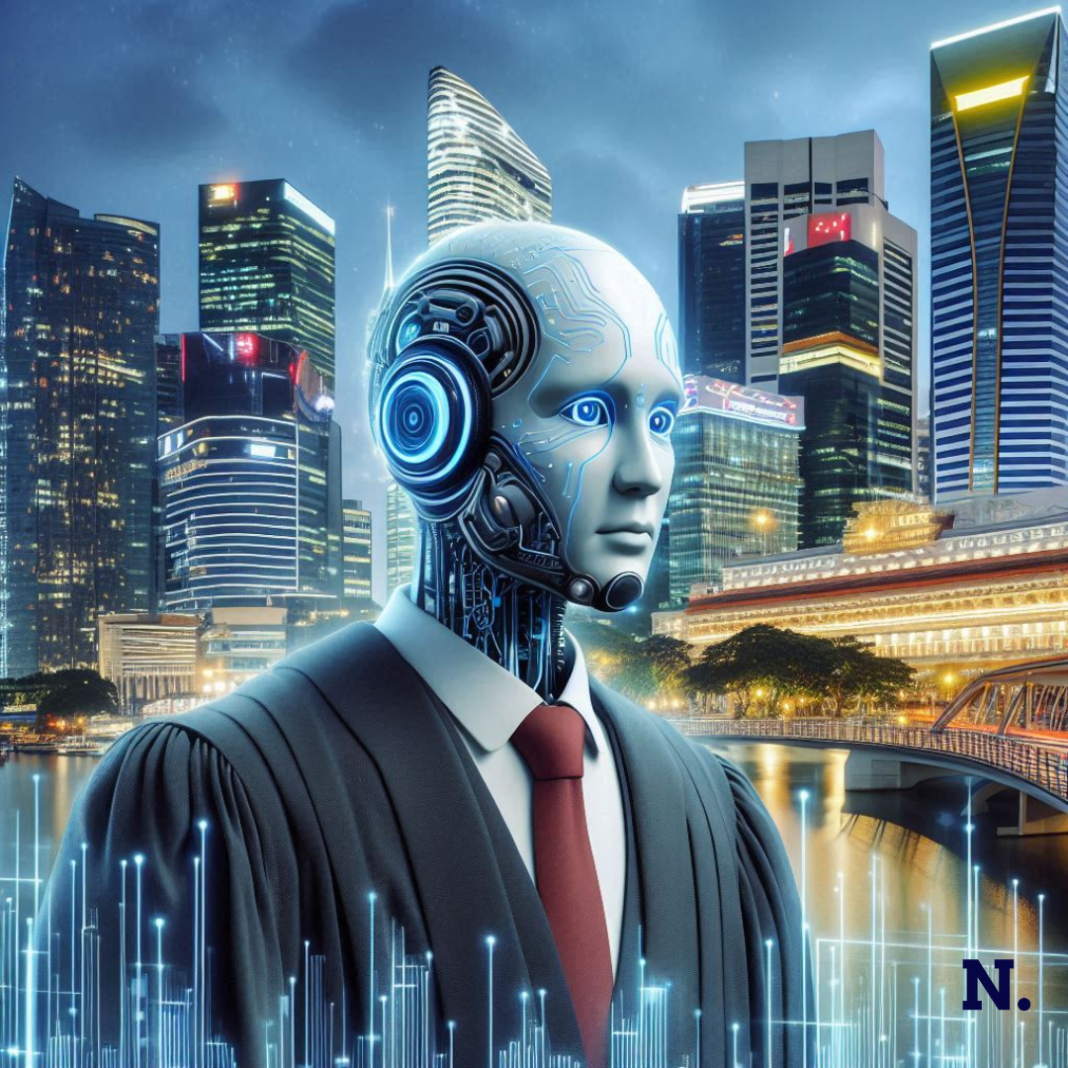


The Future of Facebook Moderation: Human Effort vs. Artificial Intelligence
Mark Zuckerberg, the CEO of Facebook, has promised a future where technology handles unwanted content on social networks. However, this vision still seems very futuristic and far from reality. Currently, Facebook uses a mix of human moderation and automated filtering to keep unwanted content off the platform.
The Role of Human Moderators
Human moderators play a crucial role in this process. They work under stressful conditions, reviewing hundreds of reported posts each day. These moderators must decide if a post violates Facebook’s rules. The training for this job is often inadequate, and the support they receive is minimal. This job can be very tough and mentally draining.
The Promise and Reality of Artificial Intelligence
Artificial Intelligence (AI) is seen as a potential solution to the problem of fake and harmful posts. However, relying solely on AI shifts responsibility to automation without solving the core issues. AI can help by acting like a triage system, filtering out some unwanted content. But this system is basic. It can recognize keywords related to nudity or guns and categorize them. However, humans need to create these cues for AI to recognize them.
The Limitations of AI
The technology, while useful, has its limitations. AI often struggles with understanding content that requires context. Posts that involve ethnicity, race, personal background, or emotions are hard for AI to grasp. These nuances are challenging even for humans, let alone machines. AI cannot fully capture human culture and emotions.
The Future of AI in Moderation
AI is rapidly improving, and future algorithms may handle information more reliably. Advances in deep learning have made AI faster and more competent. Yet, AI is not ready to replace human moderators completely. It still seems too immature for that role.
Improving Human Moderation
Instead of relying solely on AI, we should focus on improving the conditions for human moderators. Better training, support, and working conditions can help them make more accurate decisions. While AI can assist, the human touch remains essential in understanding and managing complex social interactions on platforms like Facebook.
In summary, while AI holds promise for the future, human moderators remain crucial for maintaining the integrity and safety of social networks. By improving their working conditions and providing better support, we can create a more effective and humane system for content moderation.