Millions of working families across the United States rely on credit cards to manage everyday expenses such as food, transportation, medical needs, and household bills. For many households, credit cards act as a financial cushion during emergencies or periods when income is not enough. However, what starts as short-term support can quickly become a source of long-term stress when balances are not paid in full and interest charges continue to accumulate month after month.
In recent months, the widening gap between record bank profits and rising household debt has drawn increased attention to credit card interest rates. As financial institutions report strong earnings, many consumers are struggling with growing balances and higher monthly payments. This contrast has pushed credit card pricing into the public spotlight, raising concerns about how interest rates impact ordinary families trying to keep up with the cost of living.
Wall Street Deregulation and Rising Bank Earnings
Following the rollback of financial rules during the administration of Donald Trump, the largest banks in the country reported exceptionally strong financial results. Six major banking institutions together recorded profits totaling about $157 billion in a single year, marking one of the most profitable periods for the industry.
Bernie Sanders questions AI push by tech billionaires citing jobs and community impact
A significant portion of these earnings came from consumer lending, particularly credit cards. Americans widely use credit cards to pay for necessities such as food, transportation, rent shortfalls, education expenses, and healthcare costs. For customers who were unable to pay off their balances in full, interest rates frequently climbed to levels near 30%.
Interest represents the added cost of borrowing when balances are carried forward. At very high rates, even modest debt can grow quickly. Many cardholders find that their monthly payments mostly cover interest charges, leaving the original balance largely unchanged.
Financial filings showed that revenue from interest, late fees, and penalty charges increased sharply during this period. With fewer restrictions in place, banks continued charging high rates across millions of accounts. Credit card operations emerged as one of the most profitable segments within large financial institutions.
This surge in earnings occurred while many households were facing higher costs for housing, food, fuel, and utilities, placing additional strain on family budgets.
How High Credit Card Interest Hits Working Families
High interest rates have a direct and lasting impact on daily life. For many families, They are not used for luxury purchases but as a way to manage basic needs when income falls short. When interest rates remain extremely high, repaying debt becomes increasingly difficult.
Unpaid balances grow month after month. Missing a payment or paying only the minimum amount can cause total debt to rise quickly. Over time, families may pay far more than they originally borrowed without seeing meaningful progress.
Young adults and first-time borrowers are often charged the highest rates due to limited credit histories. A single late payment can trigger penalty rates, pushing borrowing costs even higher.
Consumer finance data shows that as bank profits increased, many cardholders experienced rising minimum payments. In many cases, balances stayed the same despite consistent monthly payments, keeping households locked in long-term debt.
These conditions have led critics to describe extremely high interest rates as usury, a term used for lending practices viewed as excessive or unfair.
Bernie Sanders Pushes for a 10% Interest Rate Cap
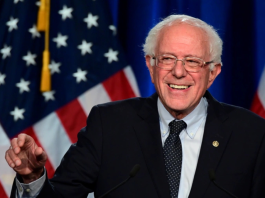
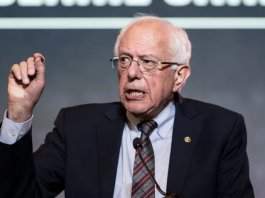
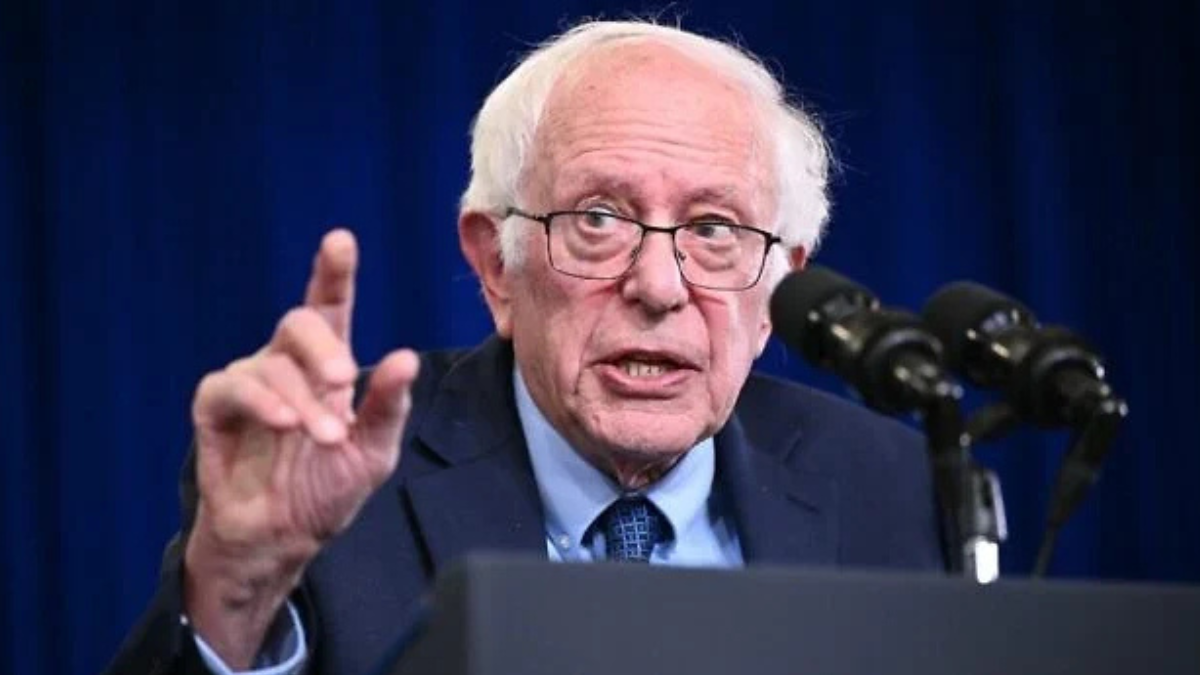
Amid these developments, Bernie Sanders has called for action to limit credit card interest rates, saying it is unacceptable for major banks to earn record profits while working families struggle to pay interest on basic purchases.
Bernie Sanders Slams Musk Over ‘Deceptive’ Privatization Push Disguised as
Social Security Frauds
Sanders has backed legislation that would cap credit card interest rates at 10% for a period of five years. He has said the measure is aimed at stopping what he describes as predatory lending practices and reducing financial pressure on everyday Americans, while keeping access to credit cards intact.
He has also noted that banks were profitable even before interest rates reached current levels, arguing that a lower cap would not threaten financial stability. The proposal has intensified national discussion around deregulation, bank profits, consumer debt, and economic fairness.