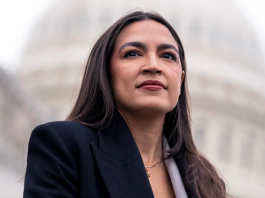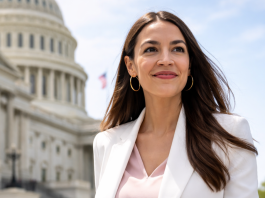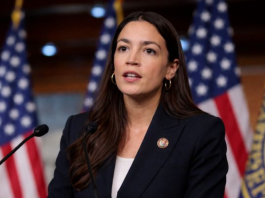
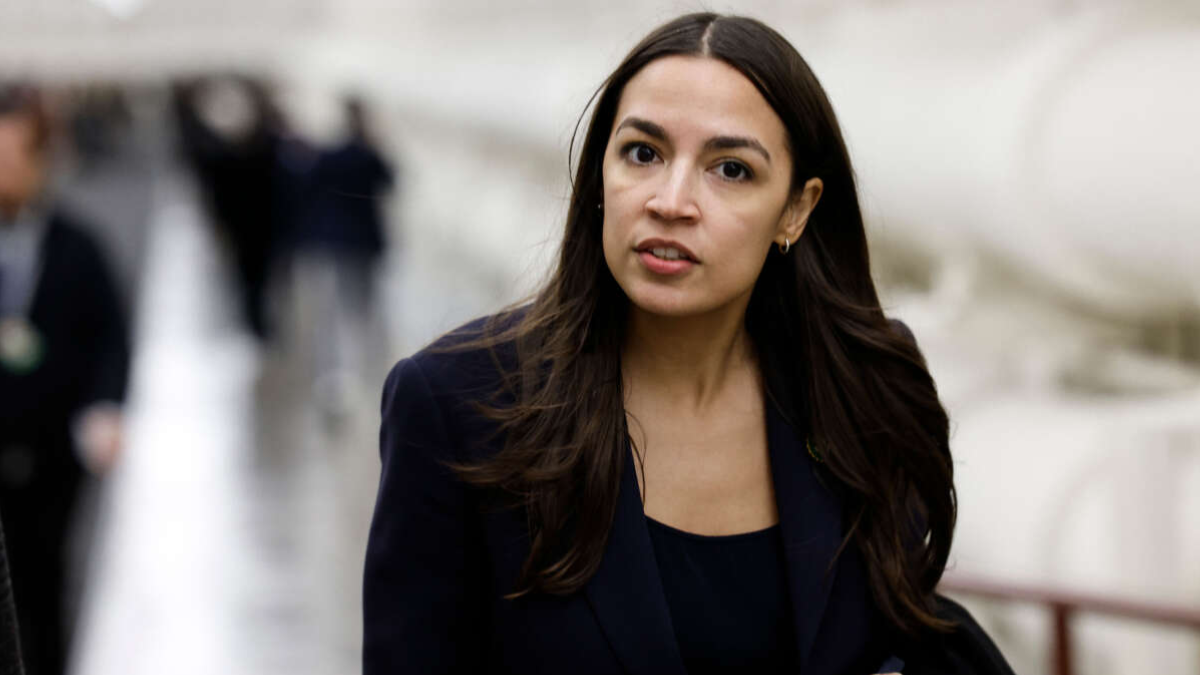
Late Monday night, U.S. Representative Alexandria Ocasio-Cortez of New York said that trump has clearly crossed a line that, in her view, qualifies as impeachable conduct. Speaking with reporters, she stated that the seriousness of the situation is no longer in doubt. She explained that the real challenge is deciding which actions should be written into formal impeachment charges.
Ocasio-Cortez described the situation as one where the legal issues are already obvious. She stressed that the remaining question is how the rest of the country responds. According to her, accountability must remain central to how the government works, even though she noted that impeachment has never been the main reason she ran for office. She added that the people she represents care deeply about daily concerns such as higher wages, stronger unions, and better healthcare.
Her comments arrive during a period of renewed attention on how executive power is being used. Many lawmakers say that recent actions by trump have raised constitutional concerns, particularly when it comes to the control of federal spending and respect for Congress’s authority.
“Pure gaslighting”: Kamala Harris blasts Trump administration over fatal ICE shooting in Minneapolis
Why Lawmakers Say the Issue Matters
Ocasio-Cortez pointed to the handling of federal funds as one of the clearest examples of wrongdoing. She argued that money approved by Congress was held back or redirected in ways that violated constitutional rules. In her view, this was the moment when trump crossed a serious boundary.
Under the U.S. Constitution, impeachment does not require a criminal conviction. Instead, it is based on “high crimes and misdemeanors,” a standard that Congress has long interpreted broadly. The current debate centers on whether certain actions fit that description and whether lawmakers have a duty to act.
While some Democratic leaders have urged caution, pressure is growing from progressive members of the party who want a stronger response. At the same time, Republicans continue to reject claims that trump’s conduct meets the threshold for impeachment, calling such accusations politically motivated. The president himself has echoed that argument many times.
Last week, trump told supporters that if Republicans fail to hold control of Congress after the 2026 midterm elections, his opponents would likely attempt to impeach him. He warned that political rivals would “find a reason” to move forward with such efforts.
Several public figures have added their voices to the debate. Senator Chris Murphy of Connecticut, speaking on Meet the Press, said that the president has committed many more impeachable offenses in his second term than in his first. He accused the administration of serious corruption, including taking a luxury jet from Qatar and trading national security access for large financial investments connected to cryptocurrency.
Legal commentator George Conway, who recently announced a run for Congress as a Democrat on X, said that saving the country requires investigation, accountability, and impeachment, along with new laws to prevent future abuses of power. Music icon Bruce Springsteen also criticized trump, saying he represents exactly why the 25th Amendment and impeachment exist.
Where the Situation Stands Now
Despite the growing public debate, there is currently no official impeachment push underway in the House of Representatives. Democratic leadership has not announced any change in strategy. Under constitutional rules, impeachment would require articles to be drafted and approved by the House, followed by a Senate trial where conviction would need a two-thirds majority vote.
For now, investigations continue while lawmakers weigh the legal and political risks involved. The discussion remains focused on whether Congress should prioritize constitutional accountability over political consequences.
Trump says tariffs will remain a central part of US trade and manufacturing policy
Throughout this period, trump remains at the center of national attention. Supporters argue he has done nothing wrong, while critics believe the pattern of behavior demands action. The statements from Ocasio-Cortez and others ensure that questions about executive power, accountability, and constitutional responsibility will continue to dominate the political conversation.
The debate over trump’s conduct is not only about one individual but about how the American system responds when serious accusations arise at the highest level of government.