


The U.S. Department of Homeland Security (DHS) has announced a major leadership change at U.S. Immigration and Customs Enforcement (ICE). The move comes at a time when immigration enforcement is receiving strong national attention and debate.
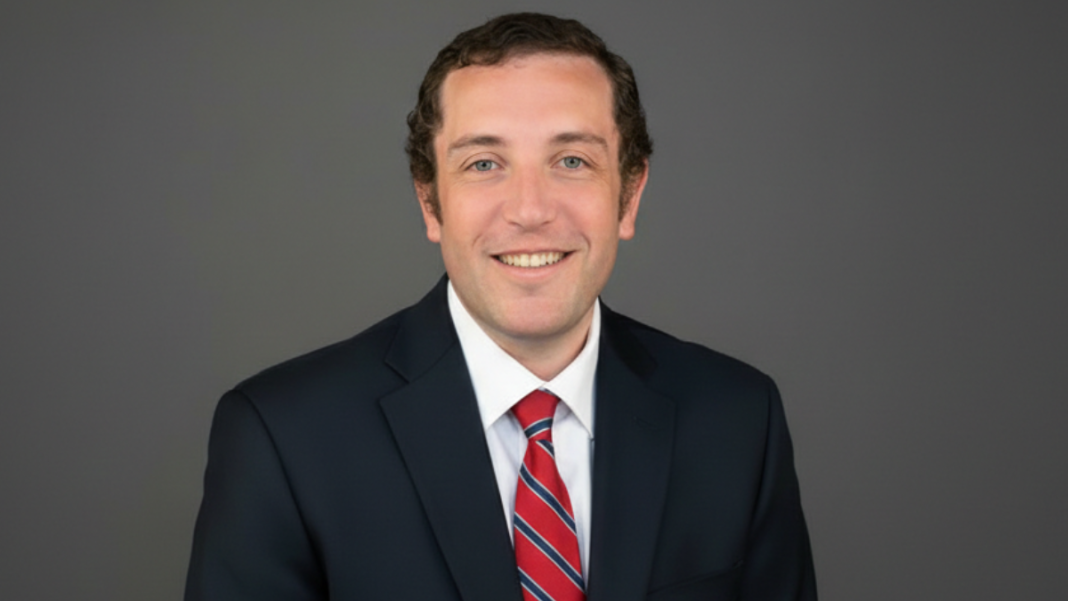
DHS Secretary Kristi Noem shared the update through a public statement, confirming that longtime ICE attorney Charles Wall has been appointed as the agency’s new Deputy Director. This decision follows the resignation of the previous deputy director, Madison Sheahan, who stepped down to pursue a congressional campaign in Ohio.
New ICE Leadership with Charles Wall
The Department of Homeland Security confirmed that Charles Wall has been selected from within the agency’s legal leadership. Charles previously served as ICE’s principal legal advisor, overseeing thousands of attorneys and legal staff involved in immigration cases and enforcement decisions.
According to DHS, Wall brings over a decade of experience in immigration law and enforcement. His role will include supporting national operations, guiding legal strategy, and working with law enforcement partners across the country.
Impeachment effort against Kristi Noem deepens divide over ICE, public safety, and accountability
The leadership change happened quickly, with the appointment taking effect immediately. DHS officials said the transition was necessary to ensure that ICE continues to operate without disruption during a period of heightened enforcement activity.
Madison Sheahan resigned earlier the same day the appointment was announced. DHS said her departure left a leadership gap that needed to be filled without delay.
ICE leadership roles are critical because the agency oversees immigration enforcement, detention operations, and removal proceedings. The deputy director plays a key role in daily decision-making and coordination between field offices, legal teams, and federal leadership.
Focus on Public Safety and Criminal Offenders
DHS officials emphasized that the appointment aligns with the administration’s focus on public safety. The agency has stated that its top priority is removing individuals who have committed serious crimes, including violent offenses, sexual crimes, gang activity, and terrorism-related actions.
ICE leaders, including Charles Wall, have repeatedly described their enforcement strategy as targeting what they call the “worst of the worst” offenders. This phrase refers to individuals who are in the country illegally and also have serious criminal backgrounds.
DHS has also launched a public online page that lists individuals they identify as high-priority offenders. The page includes names and countries of origin, and it is meant to show transparency about who the agency is targeting.
Noem shifts blame to ICE as Trump administration grows impatient with deportation pace
At the same time, ICE operations have faced growing resistance in some cities and states. Certain local governments and advocacy groups have opposed federal enforcement actions, especially in areas known as sanctuary jurisdictions. These places limit cooperation between local police and federal immigration authorities.
Federal officials argue that such resistance makes enforcement more difficult and increases safety risks for officers. They point to incidents such as the fatal shooting of Renee Nicole Good in Minneapolis during an ICE operation, which sparked protests and drew national attention.
Heightened Tensions and National Attention
The leadership change comes during a period of increased national attention on ICE operations. In recent weeks, the agency has been involved in several high-profile incidents, including the Renee Nicole Good shooting, which raised concerns among community members, advocacy groups, and political leaders. Federal officials responded by stating that officers were carrying out lawful duties and that enforcement remains focused on individuals with serious criminal records.
DHS has said that threats and resistance against ICE officers have increased. Leaders argue that this makes their work more dangerous and complicated. As a result, DHS says it is important to have strong leadership in place to guide operations, ensure legal compliance, and protect officers.
Charles Wall’s background as a senior attorney is seen as important in navigating these challenges. His experience includes working in removal proceedings, advising senior leaders, and managing large teams across different regions.
Trump targets mortgage rates with $200 billion bond strategy as affordability crisis deepens
DHS described the appointment as part of a larger effort to align ICE leadership with the administration’s enforcement priorities. Officials said the agency must remain focused, organized, and legally sound as it carries out its mission. Charles Wall is expected to play a central role in this process.
This leadership transition marks a significant moment for ICE as Charles Wall assumes his role and the agency continues to operate in a highly charged political and social environment. The agency remains under close scrutiny from lawmakers, advocacy groups, and the public as immigration enforcement continues to be one of the most debated issues in the United States.