

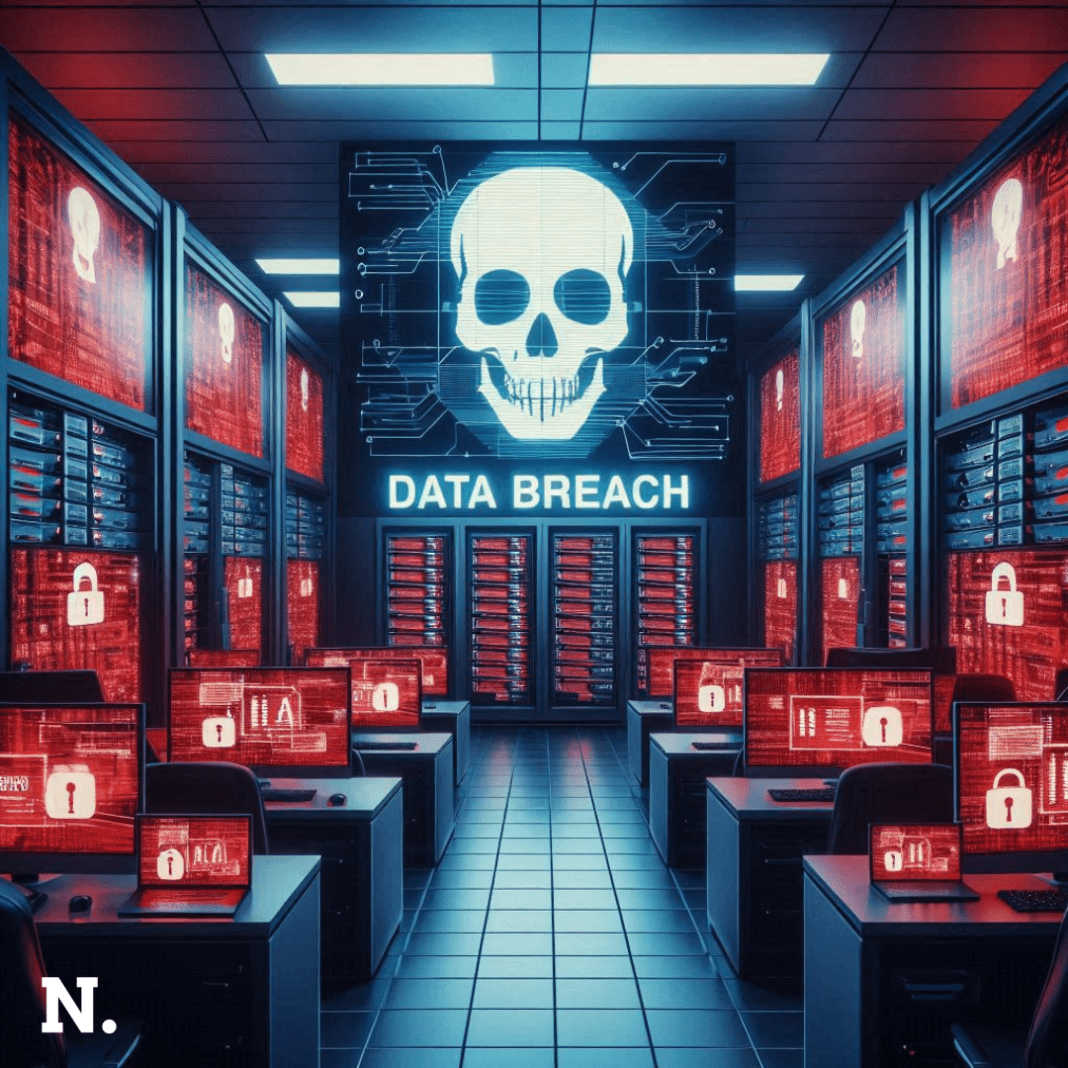

Devastating Cyberattack Exposes Sensitive Data of Over 300,000 Patients

Healthcare Systems Under Attack

A massive data breach has impacted two healthcare organizations in the United States, exposing the sensitive personal and medical data of more than 300,000 individuals. The ransomware group Rhysida has claimed responsibility for the attack, targeting organizations and demanding ransom in exchange for stolen data.

The two affected organizations are Sunflower Medical Group and Community Care Alliance (CCA).

Sunflower Medical Group is a healthcare provider serving the Kansas City metropolitan area. It offers a variety of medical services, including primary care, urgent care, and pediatrics.

Community Care Alliance (CCA) is a human services agency that runs over 50 different programs aimed at providing essential care and support to individuals and families.

According to reports, both organizations had their systems infiltrated by cybercriminals, who stole highly sensitive patient data, including personal and medical records.

Data Theft and Security Breach

The cyberattack on Sunflower Medical Group was first detected on January 7, but further investigations revealed that hackers had gained access to the system as early as December 15. This means that the attackers had nearly a month to exploit and steal data before being discovered.

During this period, 220,968 individuals had their personal information compromised. The stolen data includes:

  • Names and addresses
  • Dates of birth
  • Social Security numbers (SSNs)
  • Driver’s license numbers
  • Medical records
  • Health insurance details

This means that not only basic identification details but also critical medical information of thousands of patients was exposed to cybercriminals.

On the other hand, Community Care Alliance (CCA) was attacked earlier, in July of last year. However, it took several months before the full extent of the damage was revealed. CCA confirmed that 114,945 people had their personal and medical data stolen. The stolen records included:

  • Full names and addresses
  • Dates of birth
  • Social Security numbers (SSNs)
  • Driver’s license numbers
  • Diagnoses and medical conditions
  • Lab test results
  • Prescribed medications
  • Patient identification numbers
  • Health insurance information
  • Provider details

This attack is especially concerning because it involves highly detailed medical records, which can be misused in various ways, including identity theft and medical fraud.

Ransomware Group’s Claims for Data Breach

The cybercriminal group Rhysida has claimed responsibility for these attacks and has threatened to release the stolen data if their demands are not met. According to reports, they have 7.6 terabytes (TB) of data from Sunflower Medical Group alone, including a 3TB SQL database.

The stolen data has been listed on Rhysida’s dark web leak site, where the group typically showcases stolen information to pressure victims into paying a ransom. When ransomware groups list stolen data on their sites, it often means that negotiations are ongoing between the attackers and the affected organizations. If no agreement is reached, hackers may leak the information publicly, putting all affected individuals at serious risk.

At the time of reporting, Rhysida has not yet leaked the full dataset from either of the affected organizations. Additionally, there have been no confirmed cases of misuse of the stolen data in criminal activities. However, the risk remains high as cybercriminals often sell such data on the dark web for illegal purposes.

Both Sunflower Medical Group and Community Care Alliance (CCA) have acknowledged the cyberattack and stated that they have taken immediate steps to strengthen their security systems to prevent further breaches.

This attack highlights the growing threat of ransomware targeting healthcare providers and human services organizations, where sensitive medical and personal information is stored.

TOP 10 TRENDING ON NEWSINTERPRETATION

Cyber Attacks on Space Infrastructure: Satellites, GPS and the Ground Systems Behind Them

From the Viasat KA-SAT hack to GPS jamming over the Baltic, a research guide to how attackers target satellites, navigation signals and ground stations, and why it matters on Earth.

How AI Agents Are Used in Cyber Attacks: From Assisted Hacking to AI-Orchestrated Espionage

Attackers now use AI agents to scan networks, write exploits and run extortion campaigns. A research guide to documented cases, including the first reported AI-orchestrated espionage campaign, and what defenders should do.

Cyber Attacks on AI and LLMs: How Attackers Target Large Language Models

Prompt injection, data poisoning, model theft and jailbreaks: a research guide to how attackers target AI systems and large language models, with real cases and defences.

French Supermarket Refrigeration Cyberattack: How Hacking the Cold Chain Can Endanger Lives

In October 2026 attackers heated refrigeration cabinets in hundreds of French supermarkets to as much as 50°C. No one was hurt, but the attack shows how hacking the cold chain can endanger lives through fire, food poisoning and spoiled medicines.

Cyberattacks on Nuclear Facilities: Stuxnet, Kudankulam and the Limits of Air Gaps

Stuxnet, the Davis-Besse worm and malware at India’s Kudankulam plant: what they show about cyber risk at nuclear facilities and the limits of air gaps.

Triton: When Hackers Target the Safety Systems That Prevent Industrial Disasters

The 2017 Triton attack targeted the safety systems that prevent industrial disasters. What happened, who was charged, and how plants protect their last line of defence.

Cybersecurity Risks in Smart Cities: When Connected Infrastructure Fails

How connecting traffic control, emergency alerts and utilities concentrates cyber risk in cities, what the Dallas and Atlanta incidents showed, and what governments recommend.

Weaponized Drones: Hijacking, GPS Spoofing and Emerging Cyber Warfare Risks

How drones can be hijacked, jammed or misled by GPS spoofing, what researchers have demonstrated, and why governments treat drone fleets as a security risk.

Ransomware Attacks on Hospitals: How Healthcare Cyberattacks Put Patients at Risk

How ransomware against hospitals and their suppliers delays care and endangers patients, what the Düsseldorf and WannaCry cases show, and what research says about deaths.

Operational blunder exposes massive Russian cyber espionage attack on Ukrainian prosecutors

A major cyberattack has compromised the email accounts of...

Cyber Attacks on Space Infrastructure: Satellites, GPS and the Ground Systems Behind Them

From the Viasat KA-SAT hack to GPS jamming over the Baltic, a research guide to how attackers target satellites, navigation signals and ground stations, and why it matters on Earth.

French Supermarket Refrigeration Cyberattack: How Hacking the Cold Chain Can Endanger Lives

In October 2026 attackers heated refrigeration cabinets in hundreds of French supermarkets to as much as 50°C. No one was hurt, but the attack shows how hacking the cold chain can endanger lives through fire, food poisoning and spoiled medicines.

Cyberattacks on Nuclear Facilities: Stuxnet, Kudankulam and the Limits of Air Gaps

Stuxnet, the Davis-Besse worm and malware at India’s Kudankulam plant: what they show about cyber risk at nuclear facilities and the limits of air gaps.

Triton: When Hackers Target the Safety Systems That Prevent Industrial Disasters

The 2017 Triton attack targeted the safety systems that prevent industrial disasters. What happened, who was charged, and how plants protect their last line of defence.

Cybersecurity Risks in Smart Cities: When Connected Infrastructure Fails

How connecting traffic control, emergency alerts and utilities concentrates cyber risk in cities, what the Dallas and Atlanta incidents showed, and what governments recommend.

Ransomware Attacks on Hospitals: How Healthcare Cyberattacks Put Patients at Risk

How ransomware against hospitals and their suppliers delays care and endangers patients, what the Düsseldorf and WannaCry cases show, and what research says about deaths.

FBI warns of AVrecon malware targeting outdated routers linked to proxy based cybercrime

A serious cybersecurity warning has been issued regarding commonly...

Related Articles

Popular Categories
