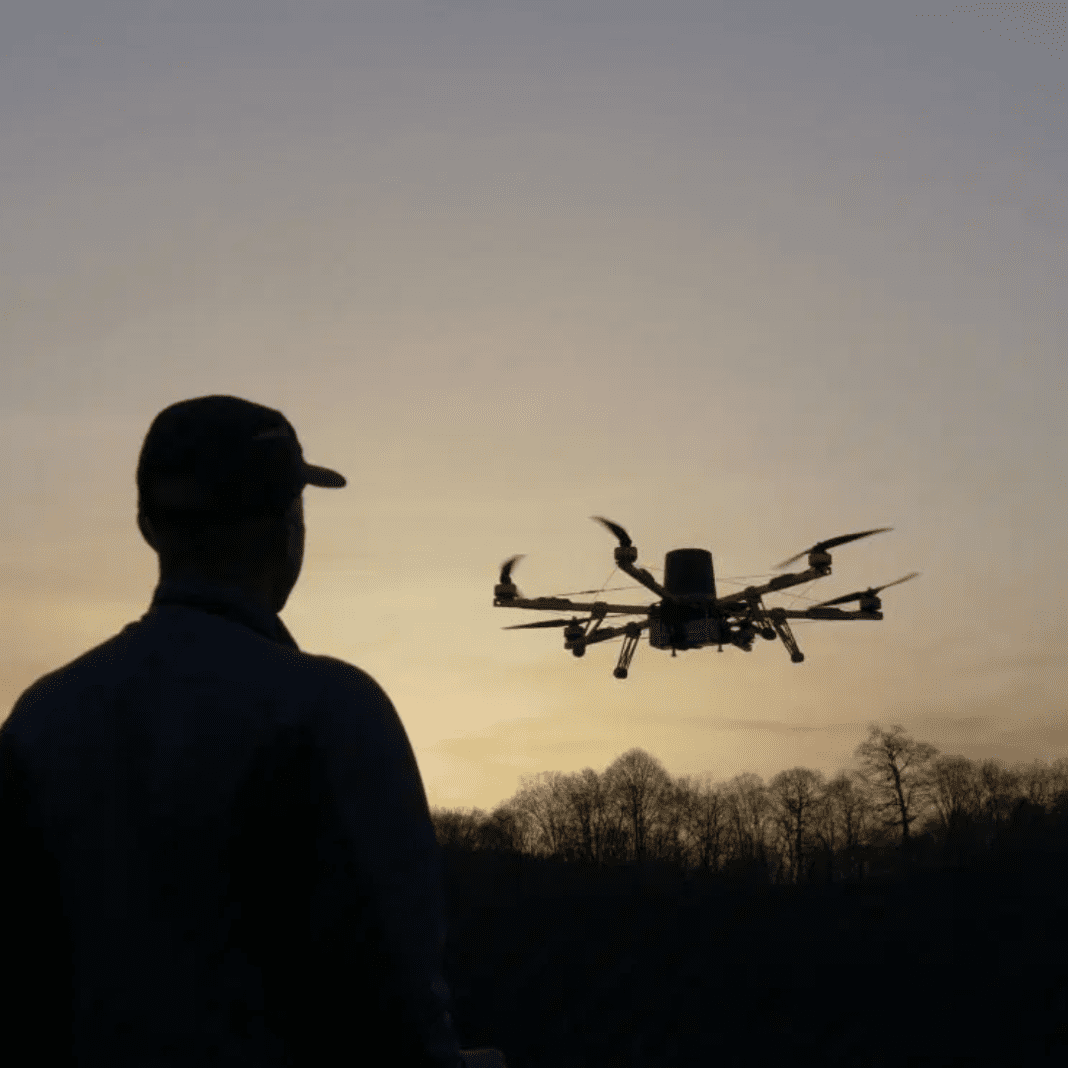

The war between Russia and Ukraine is full of surprises, and one of the coolest—and trickiest—things happening right now is all about drone-embedded malware. Drones are like little flying machines that can spy, attack, or carry stuff. At first, people thought this war would be all about hacking computers, but drones have taken over.
Cyber Warfare Twist: Captured Ukrainian Drones Infect Russian Systems with Malware
Both sides are using them like wild, racing to make them better and stronger. But something wild has popped up lately that’s making everyone talk: drone-embedded malware. That’s a fancy way of saying Ukraine is hiding sneaky computer tricks inside their drones to mess with Russia.
A video showed up on reddit—it looks like it’s from Russia—and it’s got some big news. It says Ukraine’s drones aren’t just flying around anymore; they’ve got secret bugs called malware inside them. This drone-embedded malware isn’t trying to shut down all of Russia’s computers, but it’s smart enough to cause real trouble. Let’s check out what this drone-embedded malware is doing and why it’s such a big deal in the war.
So, what’s this drone-embedded malware all about? The video explains that Ukraine has tucked these tiny computer bugs into some of their drones.
Drone Embedded Malware: Ukraine’s Clever Trick
When Russian soldiers capture a drone and plug it into their computers to see what’s inside, the drone-embedded malware jumps out and starts making a mess. It’s not a huge attack—it only messes with the drone or the computer it’s plugged into.
China’s New WZ-9 Drones Surprises the Defense Experts
People talking about the video online say this drone-embedded malware can do some pretty neat stuff. It might break the plug-in spot on the computer, so it stops working. Or it could lock the drone up so Russia can’t fix it to use themselves. One version even lets Ukraine take over the drone and find out where the Russians are hiding.
Imagine you’re playing with a toy plane, and it’s got a secret trap inside. When you try to charge it or fix it, the trap messes everything up—that’s what this drone-embedded malware does. The video shows pictures of these drones and how the malware works. It’s not super tricky to understand, but it’s really smart.
This drone-embedded malware isn’t about stopping Russia’s whole army. It’s about making it harder for them to fight back against Ukraine’s drones. In a war where every little edge helps, that’s huge.
This drone-embedded malware also slows Russia down. To stop Ukraine’s drones, Russian experts need to study them closely. They take the drones apart and look for ways to beat them. But if the drone-embedded malware breaks their computer or gives away their spot, they’ll be too scared to try. That means Russia’s drone-fighting tools won’t get better as fast.
Cyberattack Catastrophe: How Hackers Can Endanger Human Lives ?
Ukraine’s drones can keep doing their job longer before Russia figures out how to stop them.
Another awesome thing about this malware? It stops Russia from using captured drones. Normally, if you grab your enemy’s gear, you might fix it up and use it yourself. But the drone-embedded malware can lock the drone tight so Russia can’t change it.
Or, if they do fix it, Ukraine can sneak in and take it back—or even spy on them! It’s like lending someone your scooter but keeping a secret button to control it. This is a big deal because both sides are running low on supplies, and using enemy stuff is a smart move. With drone-embedded malware, Ukraine’s making sure Russia can’t do that.
Ukrainian Drone Destroys Russia’s Satellites
Drone Embedded Malware: Ukraine’s Tech Power in Action
This malware isn’t just about drones—it’s about how Ukraine is using its brainpower to fight. Before the war, Ukraine was really good at tech stuff. They had lots of smart people who knew how to make computer programs and stop hackers. Now, they’re using those skills to create such powerful malware and mess with Russia. This trick lets Ukraine trip up Russia’s big army without needing extra weapons or gear. That’s super important because Ukraine doesn’t have as much stuff as Russia does. They’ve got to be sneaky to keep going.
Think of it like a school project. If you don’t have a lot of materials, you use your ideas to win. Ukraine’s doing that with drone-embedded malware. They’re not just flying drones—they’re turning them into little traps for Russia. The video from Russia shows they’re worried. They’re telling their soldiers to be careful with captured drones because of this this malware.
Spy Agency Sounds Alarm on Drone Technology Hackers
This also shows how the war is changing. It’s not just about big battles anymore—it’s about who’s got the sneakiest tricks. Ukraine’s tech team is using these malware to bug Russia without firing a shot. And if it works, they might start hiding malware in other things Russia might pick up, like radios or gadgets.
The war keeps going, and both sides are trying hard to win. Drones are a giant part of the fight, and now, with these malware causing trouble, things are getting even shocking. Russia has to figure out how to deal with these sneaky bugs, while Ukraine keeps coming up with new ways to stay ahead. It’s like a big game of hide-and-seek, but with flying machines and computer tricks instead of hiding spots. The world’s watching to see what happens next.