

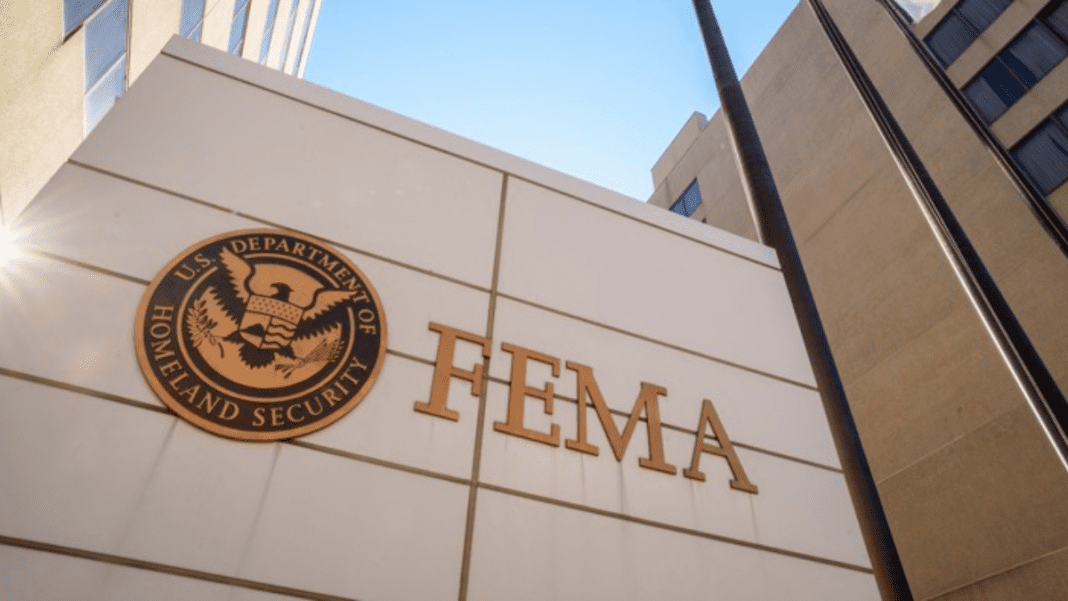

Massive Hack Hits FEMA and Border Patrol
A major cyberattack hit two important government agencies this summer. Hackers stole sensitive information from FEMA (Federal Emergency Management Agency) and Border Patrol employees. The breach lasted for several weeks and involved private employee information. Officials said the attack was serious and affected operations in a large region stretching from New Mexico to Louisiana.
The hacker targeted software made by Citrix, a company that provides remote access tools. This software allows employees to connect to their work systems from outside the office. Because of this, it is a common target for cybercriminals. Once inside, the hacker was able to move through FEMA’s computer systems and attempt to collect sensitive data.
Authorities started trying to stop the breach in mid-July. Despite immediate efforts, the attack continued for nearly two months. By early September, federal teams were still working to clean up the networks and protect employee information. The hacker’s identity remains unknown.
London in shock—Russia-linked hackers steal personal data of 8,000 children from nursery chain
The breach revealed how easily a skilled intruder could bypass digital defenses. It also exposed weaknesses in the systems used to manage critical government operations. The attack caused concern across multiple federal agencies because FEMA and Border Patrol handle sensitive work that affects millions of people.
Government Response and Staff Changes
The cyberattack caused significant changes inside FEMA. Around two dozen IT employees, including the agency’s top technology leaders, were fired. Officials described this as a response to “severe lapses in security” that allowed the hacker to access sensitive systems.
Some longtime FEMA employees questioned the firings, saying the removed staff were experienced and respected. The firings also came after internal investigations related to agency management and disputes over how FEMA operates. Officials insisted the changes were necessary to improve security and prevent future attacks.
Seedify halts SFUND trading after hackers steal 1.2 million affecting thousands of holders
Authorities confirmed that employee information was stolen during the breach. Initially, it was reported that no sensitive data had been taken. Later assessments, however, revealed that FEMA and Border Patrol employee data had indeed been accessed. Federal teams worked together to investigate and contain the attack, uncovering how the intruder moved through the networks.
Details of the Breach and Wider Implications
The hacker focused on systems that manage critical operations for FEMA and Border Patrol. Using remote access software as a gateway, the intruder tried to extract information about employees and their roles. The breach triggered an urgent cleanup operation by senior federal IT officials.
Hackers tied to Rhysida gang demand 3.4 million ransom after Maryland Transit Administration breach
The Department of Homeland Security (DHS) launched a task force to address the situation. Investigators worked for weeks to halt the attack and remediate the affected networks. Even after months of effort, some systems were still being secured, highlighting the complexity of large-scale cyberattacks.
At the time of reporting, officials have not identified who carried out the hack. They also have not said whether the breach is linked to other attacks on federal networks. The investigation remains ongoing.
The incident highlights the challenges of protecting government networks from cyber threats. Remote access tools, while important for daily work, can be exploited by hackers to reach sensitive systems. The breach also demonstrates how quickly a cybercriminal can move through complex networks and access information that agencies may consider secure.
The attack has raised questions about cybersecurity in federal agencies and the ability of officials to safeguard employee and operational information. Federal teams are continuing efforts to secure networks and ensure that such breaches do not happen again.