

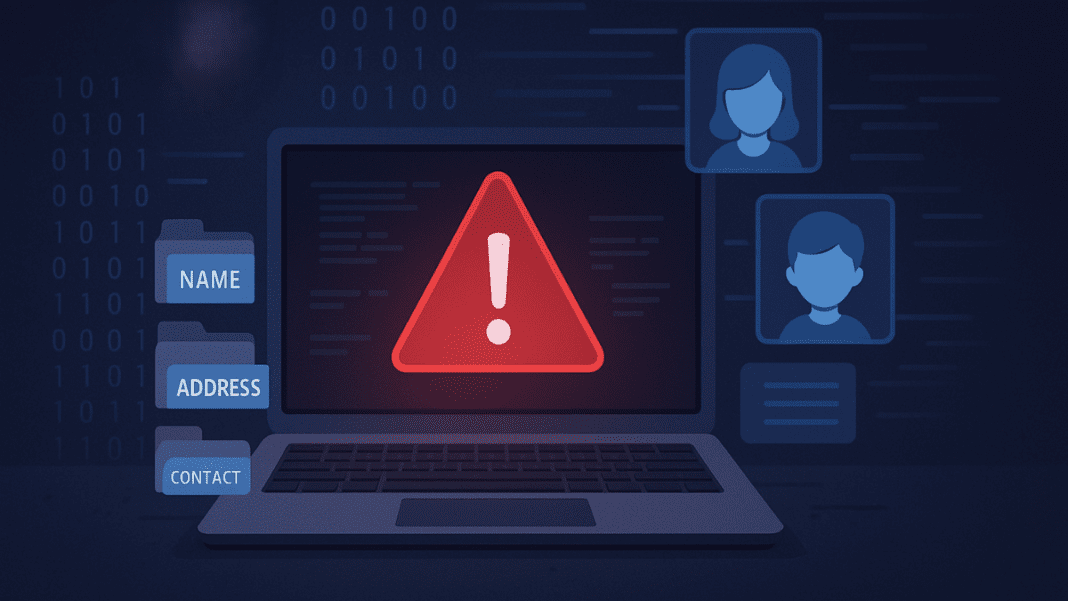
London in shock—Russia-linked hackers steal personal data of 8,000 children from nursery chain

A major cyberattack has hit nurseries across London, leaving thousands of families worried about the safety of their children’s personal details. Hackers broke into the computer systems of Kido International, a company that runs 18 nurseries in Greater London.

Hackers Break Into Nursery Network

The criminals say they stole sensitive data belonging to more than 8,000 children. On their dark web portal, the hackers even posted sample information to prove their claims. This included names, photos, home addresses, and family contact details of 10 children.

The hacking group, calling itself Radiant, said they had been inside the company’s networks for weeks. They also threatened to release more files unless their demands were met. According to the group’s post, the next set of data they plan to leak includes details of 30 more children and 100 staff members.

The attack has raised serious concerns about child protection and data privacy in the UK. The thought of such sensitive details falling into the wrong hands has caused alarm among parents and security experts.

Rising Ransomware Attacks in the UK

This incident is part of a wider wave of ransomware attacks hitting Britain. Ransomware is a type of malicious software used by cybercriminals to lock or steal a company’s data. Once they gain control, hackers often demand money in exchange for returning or keeping the data private.

The Radiant gang has not revealed how much money they are demanding from Kido International. However, they stated that their base is in Russia, though no evidence has been provided to support this claim.

Police confirmed that investigations are underway, but no arrests have been made so far. Officers from the Cyber Crime Unit are examining how the hackers gained access and what damage has been done. The company itself has remained silent, not responding to requests for comment.

How Cyber Attacks on Industrial Control Systems Can Endanger Lives ?

Cybersecurity experts warn that these attacks can target anyone. Schools, hospitals, shops, and even carmakers have all been hit in recent months. Criminals see these institutions as easy targets because they rely heavily on digital systems and often hold sensitive information.

In other recent cases, major British companies and public services have faced severe disruptions. Factories have been forced to shut down, airports have seen check-in systems collapse, and retailers have suffered huge financial losses due to ransomware attacks. These incidents show how disruptive and costly such cybercrimes can be.

Families Fear for Children’s Privacy

The leak of personal details belonging to children has added another layer of seriousness to this case. Children are among the most vulnerable when it comes to data theft, as they cannot protect themselves.

Parents now face the worrying reality that private details such as addresses, phone numbers, and photographs could be exposed online. Experts say this type of information can be misused in dangerous ways if it falls into the wrong hands.

The threat by the hackers to publish more children’s profiles has only increased the sense of fear and uncertainty. Many families are left waiting for updates, while police continue their investigation.

Airports thrown into turmoil as cyberattack crashes check-in backbone used by 100 airlines

Officials have reminded people that cybercriminals often choose victims they believe will feel pressured to pay. Attacking nurseries, where children’s safety is at stake, is seen as one of the most ruthless tactics yet.

As the investigation continues, the breach serves as another reminder of how deeply cybercrime is affecting everyday life in Britain. From businesses to schools and now nurseries, the list of victims is growing, showing how no one is fully safe from these attacks.

Renuka Bangale
Renuka Bangale
Renuka is a distinguished Chartered Accountant and a Certified Digital Threats Analyst from Riskpro, renowned for her expertise in cybersecurity. With a deep understanding of cybercrimes, malware, cyber warfare, and espionage, she has established herself as an authority in the field. Renuka combines her financial acumen with advanced knowledge of digital threats to provide unparalleled insights into the evolving landscape of information security. Her analytical prowess enables her to dissect complex cyber incidents, offering clarity on risks and mitigation strategies. As a key contributor to Newsinterpretation’s information security category, Renuka delivers authoritative articles that educate and inform readers about emerging threats and best practices.

TOP 10 TRENDING ON NEWSINTERPRETATION

Cyber Attacks on Space Infrastructure: Satellites, GPS and the Ground Systems Behind Them

From the Viasat KA-SAT hack to GPS jamming over the Baltic, a research guide to how attackers target satellites, navigation signals and ground stations, and why it matters on Earth.

How AI Agents Are Used in Cyber Attacks: From Assisted Hacking to AI-Orchestrated Espionage

Attackers now use AI agents to scan networks, write exploits and run extortion campaigns. A research guide to documented cases, including the first reported AI-orchestrated espionage campaign, and what defenders should do.

Cyber Attacks on AI and LLMs: How Attackers Target Large Language Models

Prompt injection, data poisoning, model theft and jailbreaks: a research guide to how attackers target AI systems and large language models, with real cases and defences.

French Supermarket Refrigeration Cyberattack: How Hacking the Cold Chain Can Endanger Lives

In October 2026 attackers heated refrigeration cabinets in hundreds of French supermarkets to as much as 50°C. No one was hurt, but the attack shows how hacking the cold chain can endanger lives through fire, food poisoning and spoiled medicines.

Cyberattacks on Nuclear Facilities: Stuxnet, Kudankulam and the Limits of Air Gaps

Stuxnet, the Davis-Besse worm and malware at India’s Kudankulam plant: what they show about cyber risk at nuclear facilities and the limits of air gaps.

Triton: When Hackers Target the Safety Systems That Prevent Industrial Disasters

The 2017 Triton attack targeted the safety systems that prevent industrial disasters. What happened, who was charged, and how plants protect their last line of defence.

Cybersecurity Risks in Smart Cities: When Connected Infrastructure Fails

How connecting traffic control, emergency alerts and utilities concentrates cyber risk in cities, what the Dallas and Atlanta incidents showed, and what governments recommend.

Weaponized Drones: Hijacking, GPS Spoofing and Emerging Cyber Warfare Risks

How drones can be hijacked, jammed or misled by GPS spoofing, what researchers have demonstrated, and why governments treat drone fleets as a security risk.

Ransomware Attacks on Hospitals: How Healthcare Cyberattacks Put Patients at Risk

How ransomware against hospitals and their suppliers delays care and endangers patients, what the Düsseldorf and WannaCry cases show, and what research says about deaths.

Operational blunder exposes massive Russian cyber espionage attack on Ukrainian prosecutors

A major cyberattack has compromised the email accounts of...

Cyber Attacks on Space Infrastructure: Satellites, GPS and the Ground Systems Behind Them

From the Viasat KA-SAT hack to GPS jamming over the Baltic, a research guide to how attackers target satellites, navigation signals and ground stations, and why it matters on Earth.

French Supermarket Refrigeration Cyberattack: How Hacking the Cold Chain Can Endanger Lives

In October 2026 attackers heated refrigeration cabinets in hundreds of French supermarkets to as much as 50°C. No one was hurt, but the attack shows how hacking the cold chain can endanger lives through fire, food poisoning and spoiled medicines.

Cyberattacks on Nuclear Facilities: Stuxnet, Kudankulam and the Limits of Air Gaps

Stuxnet, the Davis-Besse worm and malware at India’s Kudankulam plant: what they show about cyber risk at nuclear facilities and the limits of air gaps.

Triton: When Hackers Target the Safety Systems That Prevent Industrial Disasters

The 2017 Triton attack targeted the safety systems that prevent industrial disasters. What happened, who was charged, and how plants protect their last line of defence.

Cybersecurity Risks in Smart Cities: When Connected Infrastructure Fails

How connecting traffic control, emergency alerts and utilities concentrates cyber risk in cities, what the Dallas and Atlanta incidents showed, and what governments recommend.

Ransomware Attacks on Hospitals: How Healthcare Cyberattacks Put Patients at Risk

How ransomware against hospitals and their suppliers delays care and endangers patients, what the Düsseldorf and WannaCry cases show, and what research says about deaths.

FBI warns of AVrecon malware targeting outdated routers linked to proxy based cybercrime

A serious cybersecurity warning has been issued regarding commonly...

Related Articles

Popular Categories
