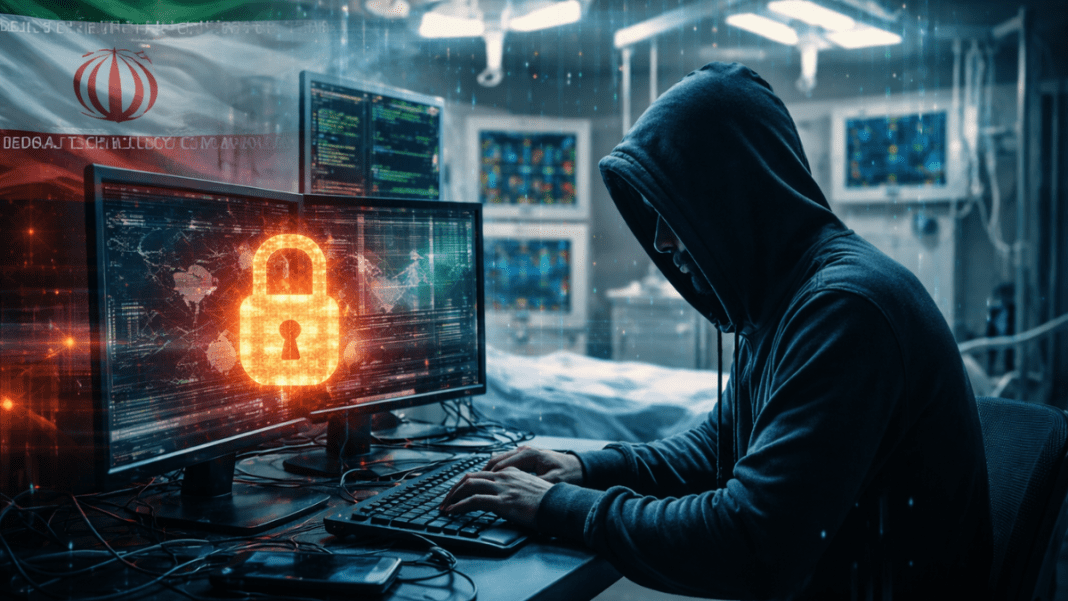

A major cyberattack has struck Stryker, a large United States medical technology company, raising serious concerns about cybersecurity and the safety of critical healthcare systems. Reports say a hacking group linked to Iran claimed responsibility for the digital intrusion. The attack reportedly disrupted internal computer networks and communications across several offices connected to the company’s global operations.
The incident has drawn attention from cybersecurity officials and technology analysts because Stryker produces medical equipment used in hospitals and healthcare facilities around the world. When companies connected to healthcare systems face cyber threats, experts warn that it could affect the flow of important information and disrupt services used by doctors and medical staff.
Cyberattack Disrupts Systems at Stryker
The cyberattack reportedly caused significant disruptions to Stryker’s internal systems. As the problem spread, security teams inside the company moved quickly to shut down parts of the network to prevent the breach from becoming larger. While cyberattack Workers were reportedly instructed to disconnect their laptops and other devices from the company network. They were also told not to log into internal systems until the cybersecurity investigation could determine how the attackers entered the network. Such emergency steps are often used by companies when they suspect that hackers may still have access to their systems.
Iran-linked hackers ramp up DDoS and malware attacks amid rising tensions
Some reports suggest that the hackers may have wiped data from thousands of devices linked to the company’s internal network. The hacking group also claimed that more than 200,000 systems connected to Stryker’s infrastructure were affected during the cyberattack. Investigators have not yet confirmed the full extent of the damage, and security teams continue to analyze what actually happened inside the network.
During the breach, the attackers reportedly replaced certain login pages used by employees with their own message and logo. This is a tactic sometimes used by cyber groups to show they were responsible for the attack and to publicly claim credit for the intrusion.
Although the cyberattack disrupted operations, early investigations suggested that security teams did not immediately detect ransomware or destructive malware in the company’s systems. Cybersecurity specialists are still examining how the hackers gained access and whether any sensitive company information was stolen during the breach.
Handala Hacker Group Claims Responsibility
The cyberattack was reportedly claimed by a hacking group called Handala. Cybersecurity researchers have previously linked the group to networks believed to have connections with Iranian intelligence operations. The group has carried out several cyber activities in the past, targeting organizations in different parts of the world.
According to messages posted online by the hackers, the attack on Stryker was carried out as retaliation for geopolitical developments involving Iran. The group claimed that the cyber operation was meant to send a warning through digital disruption rather than traditional military action.
US and Israel deploy AI and low cost Lucas drones in Iran strike as cyberattacks disrupt defenses
Handala also claimed that its members managed to extract large amounts of data from Stryker’s internal systems. The hackers said they collected tens of terabytes of information during the breach. However, cybersecurity experts often caution that hacker groups sometimes exaggerate the amount of data they have stolen, and such claims require verification by investigators.
Stryker confirmed that it experienced a cyber incident affecting its internal systems. The company acknowledged that the event disrupted parts of its operations while cybersecurity teams worked to contain the breach and restore normal services.
Cybersecurity Risks Grow for Healthcare Sector
The attack on Stryker has raised wider concerns about cybersecurity threats targeting companies connected to critical infrastructure. Experts warn that sectors such as healthcare, energy, and transportation are increasingly becoming targets for foreign-linked cyber groups.
Healthcare companies are often considered attractive targets because they manage sensitive data and operate systems that support hospitals and medical services. If such networks are disrupted, it can affect communication systems, supply chains, and other processes used in healthcare environments.
Cybersecurity specialists also warn that many large organizations operate complex networks that include older systems and software. Hackers often look for weaknesses in outdated technology or poorly protected systems to gain access to corporate networks.
Brent crude prices crash from 120 peak after Trump signals Iran war could end sooner than expected
Officials monitoring global cyber activity have warned that digital attacks linked to geopolitical tensions are becoming more common. Cyber operations may involve stealing information, disabling company networks, or launching attacks designed to interrupt normal digital services used by businesses and institutions.
The cyberattack involving Stryker highlights how international conflicts are increasingly moving into the digital space, where hackers target computer systems instead of traditional physical infrastructure.