

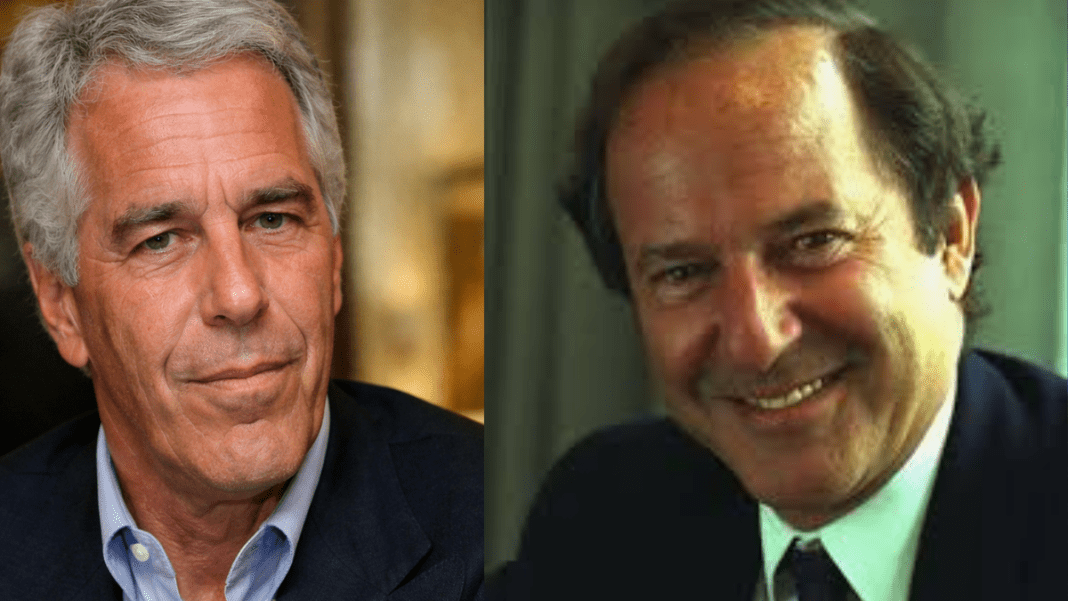

Recently released documents from the United States Department of Justice have revealed unexpected details about a private exchange between Jeffrey Epstein and media and real estate billionaire Mortimer Zuckerman. The files shed light on a conversation that focused not on business expansion, but on concerns about health and decision-making abilities.
These records show that Epstein, who had known Mortimer for years, stepped into a more personal role by advising him on matters related to his well-being and financial control. The communication has drawn attention because it highlights a different side of their association, one that involves trust, concern, and influence.
Concerns Over Cognitive Health Raised by Jeffrey Epstein
According to the released files, Jeffrey Epstein expressed serious concerns about Mortimer Zuckerman’s cognitive health. He believed that Zuckerman was experiencing memory-related issues that could affect his ability to make safe and sound decisions.
Parents turned to Jeffrey Epstein for advice during University of Michigan application process
The concern came after a meeting in October 2015, where Zuckerman met Epstein along with Norwegian diplomat Terje Rod-Larsen. Following this meeting, Epstein sent a message suggesting that Mortimer might not remember asking for help, which raised further alarm.
Epstein described the situation as potentially dangerous. He warned that the decline in cognitive abilities could impact Zuckerman’s financial, emotional, and physical safety. He strongly encouraged Zuckerman to consider entering a guardianship or conservatorship arrangement.
Such arrangements allow trusted individuals to manage important decisions when someone is no longer fully capable of doing so. Epstein suggested that Zuckerman should choose people he trusted, including Rod-Larsen and his own family members, to take on this responsibility.
He also pointed out that acting early would help avoid a situation where a court might impose a decision later, removing personal choice entirely.
Urgent Advice to Family and Close Associates
The documents also show that Epstein communicated with Mortimer nephew, Eric Gertler. In these messages, Epstein shared similar concerns and advised immediate steps to protect the billionaire’s wealth and well-being.
He suggested that Gertler oversee the sale of major assets. These included stocks, valuable art collections, and even high-value items such as a helicopter and a private plane. The intention, according to Epstein, was to secure financial stability during a difficult period.
Epstein clarified that his expertise was mainly in financial matters. However, he indicated that he was also passing along advice from others who were experienced in handling such sensitive situations.
Global debate erupts as viral posts claim thousands of Netanyahu mentions in Epstein records
He repeatedly stressed urgency. Epstein mentioned that Zuckerman had repeated the same travel plans multiple times, suggesting memory issues. He even advised canceling a planned trip, saying that the situation required immediate attention.
The tone of these messages reflected concern but also urgency, as Epstein warned that delays could result in court intervention, which might not be favorable.
Longstanding Business Ties and Shared History
Jeffrey Epstein and Mortimer Mortimer had a professional relationship that went back many years. In the early 2000s, they collaborated on business ventures, including attempts to acquire New York Magazine.
They also worked together on relaunching the magazine Radar, investing significant funds into the project. These collaborations show that their relationship was not limited to casual interactions but involved serious business dealings.
In addition to these ventures, Epstein reportedly proposed a $21 million plan to assist Zuckerman with estate planning. This plan included evaluating and organizing how Zuckerman’s wealth would be managed and passed on. However, it is unclear whether this proposal was accepted.
The files also suggest that Epstein attempted to influence how certain issues were covered in the New York Daily News, a publication owned by Zuckerman at the time.
About six months after these communications, Mortimer stepped down as chairman of Boston Properties, a major real estate company he co-founded. While no health concerns were publicly mentioned, he continued to hold the title of chairman emeritus.
Despite the serious concerns raised by Epstein, it remains unclear whether Mortimer followed the advice to give up control of his affairs.