


The $10 Billion Bitcoin Hoax: Pushpendra Singh and Crypto Misinformation

The Viral Post by Pushpendra Singh That Fooled Thousands

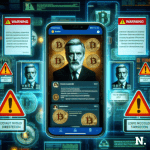
In today’s digital world, social media plays a massive role in shaping opinions, especially in industries like cryptocurrency, where information spreads rapidly. Recently, a post by Pushpendra Singh, a well-known crypto influencer, went viral, claiming that North Korea was preparing to invest a staggering $10 billion in Bitcoin and Ethereum. The post included what appeared to be a BBC News article, making it look legitimate. With over 52,000 views, 174 comments, 221 retweets, and 1,300 likes, the post quickly caught the attention of the crypto community.

However, when people started fact-checking the claim, something seemed off. A simple search on Google or the official BBC News website yielded no such report. No major news outlets had published anything about North Korea making such a large crypto investment. Given the influence Pushpendra Singh has in the crypto world, many people initially took the news seriously. But upon closer examination, the story raised major red flags.

Pushpendra Singh and the Fake News Exposure

Misinformation is a persistent problem in the cryptocurrency space, where news and rumors can significantly impact prices. The post shared by Pushpendra Singh misled thousands into believing that a major global event was about to shake the crypto market. However, the reality was quite different.

A closer look at the image of the so-called “BBC News article” revealed clear signs of manipulation. Although it had BBC’s branding, the actual report did not exist anywhere on their website. This suggested that someone had edited a screenshot to make it appear like a real news story. The fact that no other reputable sources covered the news further confirmed that the claim was false.

Many users who initially believed the story were quick to correct themselves after checking the facts. Some expressed disappointment, while others highlighted the dangers of spreading unverified information. The incident demonstrated how easy it is for false news to gain traction and influence public perception. Since Pushpendra Singh has a large following of over 435,000 people, his post was widely shared, increasing the reach of the misinformation.

This was not a simple case of a harmless rumor. In the crypto market, even a small piece of false information can lead to major consequences. People make financial decisions based on what they see online, and misleading claims can cause panic, price fluctuations, and even losses. This incident highlighted the importance of fact-checking before trusting or spreading any news, even if it comes from a well-known influencer like Pushpendra Singh.

The Risks of Misinformation in Crypto

Cryptocurrency markets are highly volatile, reacting sharply to both real and fake news. A single misleading post can trigger massive price movements, influencing traders and investors to make impulsive decisions. The recent false claim shared by Pushpendra Singh about North Korea’s supposed $10 billion investment in Bitcoin and Ethereum is a prime example.

Many individuals who saw the post may have rushed to buy or sell their assets, believing that a major financial event was about to unfold. However, since the news was entirely fabricated, those who acted on it could have faced financial losses, highlighting the dangers of misinformation in the crypto space.

Misinformation in cryptocurrency is common, often spreading through anonymous accounts or doctored images. However, when a well-known figure like Pushpendra Singh shares unverified news, its impact is far greater. Crypto influencers are trusted for accurate updates, making it crucial for them to verify facts before posting. Spreading false information can create panic, mislead investors, and disrupt market trends.

The best way to combat fake news is through careful fact-checking. Verifying claims with official sources and multiple trusted outlets can prevent costly mistakes. Even if Pushpendra Singh shares a story, cross-checking before acting is essential. As social media continues to shape financial markets, this incident is a clear reminder to stay vigilant in the fast-moving crypto industry.

TOP 10 TRENDING ON NEWSINTERPRETATION

Cyber Attacks on Space Infrastructure: Satellites, GPS and the Ground Systems Behind Them

From the Viasat KA-SAT hack to GPS jamming over the Baltic, a research guide to how attackers target satellites, navigation signals and ground stations, and why it matters on Earth.

How AI Agents Are Used in Cyber Attacks: From Assisted Hacking to AI-Orchestrated Espionage

Attackers now use AI agents to scan networks, write exploits and run extortion campaigns. A research guide to documented cases, including the first reported AI-orchestrated espionage campaign, and what defenders should do.

Cyber Attacks on AI and LLMs: How Attackers Target Large Language Models

Prompt injection, data poisoning, model theft and jailbreaks: a research guide to how attackers target AI systems and large language models, with real cases and defences.

French Supermarket Refrigeration Cyberattack: How Hacking the Cold Chain Can Endanger Lives

In October 2026 attackers heated refrigeration cabinets in hundreds of French supermarkets to as much as 50°C. No one was hurt, but the attack shows how hacking the cold chain can endanger lives through fire, food poisoning and spoiled medicines.

Cyberattacks on Nuclear Facilities: Stuxnet, Kudankulam and the Limits of Air Gaps

Stuxnet, the Davis-Besse worm and malware at India’s Kudankulam plant: what they show about cyber risk at nuclear facilities and the limits of air gaps.

Triton: When Hackers Target the Safety Systems That Prevent Industrial Disasters

The 2017 Triton attack targeted the safety systems that prevent industrial disasters. What happened, who was charged, and how plants protect their last line of defence.

Cybersecurity Risks in Smart Cities: When Connected Infrastructure Fails

How connecting traffic control, emergency alerts and utilities concentrates cyber risk in cities, what the Dallas and Atlanta incidents showed, and what governments recommend.

Weaponized Drones: Hijacking, GPS Spoofing and Emerging Cyber Warfare Risks

How drones can be hijacked, jammed or misled by GPS spoofing, what researchers have demonstrated, and why governments treat drone fleets as a security risk.

Ransomware Attacks on Hospitals: How Healthcare Cyberattacks Put Patients at Risk

How ransomware against hospitals and their suppliers delays care and endangers patients, what the Düsseldorf and WannaCry cases show, and what research says about deaths.

Operational blunder exposes massive Russian cyber espionage attack on Ukrainian prosecutors

A major cyberattack has compromised the email accounts of...

Cyber Attacks on Space Infrastructure: Satellites, GPS and the Ground Systems Behind Them

From the Viasat KA-SAT hack to GPS jamming over the Baltic, a research guide to how attackers target satellites, navigation signals and ground stations, and why it matters on Earth.

French Supermarket Refrigeration Cyberattack: How Hacking the Cold Chain Can Endanger Lives

In October 2026 attackers heated refrigeration cabinets in hundreds of French supermarkets to as much as 50°C. No one was hurt, but the attack shows how hacking the cold chain can endanger lives through fire, food poisoning and spoiled medicines.

Cyberattacks on Nuclear Facilities: Stuxnet, Kudankulam and the Limits of Air Gaps

Stuxnet, the Davis-Besse worm and malware at India’s Kudankulam plant: what they show about cyber risk at nuclear facilities and the limits of air gaps.

Triton: When Hackers Target the Safety Systems That Prevent Industrial Disasters

The 2017 Triton attack targeted the safety systems that prevent industrial disasters. What happened, who was charged, and how plants protect their last line of defence.

Cybersecurity Risks in Smart Cities: When Connected Infrastructure Fails

How connecting traffic control, emergency alerts and utilities concentrates cyber risk in cities, what the Dallas and Atlanta incidents showed, and what governments recommend.

Ransomware Attacks on Hospitals: How Healthcare Cyberattacks Put Patients at Risk

How ransomware against hospitals and their suppliers delays care and endangers patients, what the Düsseldorf and WannaCry cases show, and what research says about deaths.

FBI warns of AVrecon malware targeting outdated routers linked to proxy based cybercrime

A serious cybersecurity warning has been issued regarding commonly...

Related Articles

Popular Categories
