

The Global Challenge of AI in Elections: China’s Tactics and North Korea’s Role

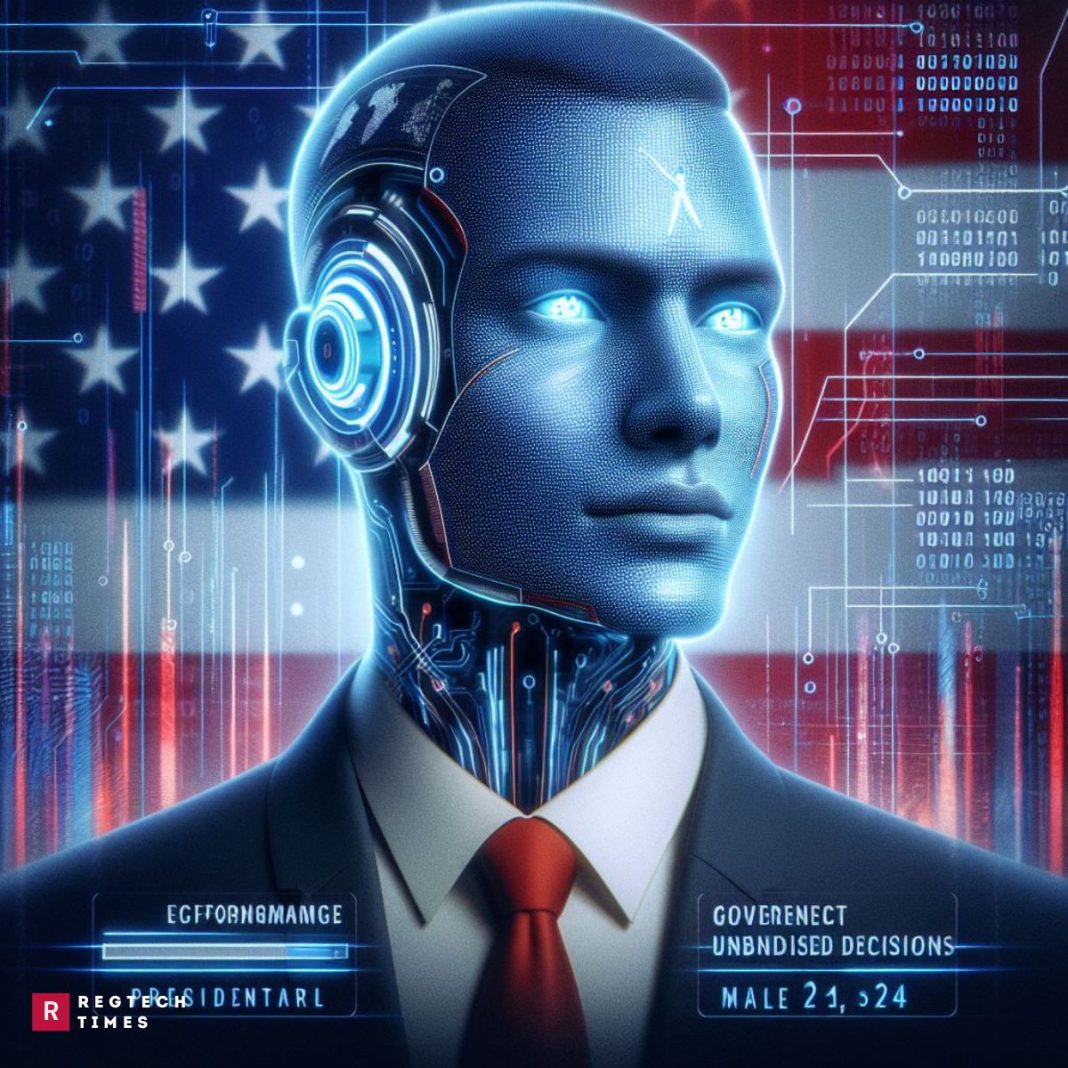
As the 2024 elections loom, the intersection of artificial intelligence (AI) and electoral procedures emerges as a global concern. China’s ambitious agenda seeks to utilize AI-generated content to sway not only its domestic democratic outcomes but also those of key nations like India, the United States, and South Korea.

This delves into China’s strategic maneuvers and the shadowy role of North Korea in this evolving landscape. Recent events, including Taiwan’s presidential election, underscore the urgency of safeguarding electoral integrity against AI-driven manipulation. With cyber threats on the rise, the significance of generative AI technology in shaping the future of democracy becomes increasingly apparent. Understanding and addressing the implications of AI in electoral processes are crucial as the countdown to the 2024 elections accelerates, essential for preserving the integrity of democratic systems worldwide.

China’s Intentions and Tactics

The Ambitious Agenda

Microsoft’s Threat Analysis Center (MTAC) has issued a grave warning, suggesting that China plans to exploit AI to manipulate upcoming elections in 2024. This revelation is particularly alarming given the global significance of the elections slated for this year. The use of AI-generated content for such purposes underscores the evolving landscape of political interference, which poses significant threats to democratic processes worldwide.

US Elections: A Fierce Rematch

In America, the presidential elections are intensifying, with Joe Biden and Donald Trump facing off again. Meanwhile, China reportedly uses AI to subtly influence voter sentiments by circulating memes, videos, and audio snippets. This demonstrates the evolving nature of political tactics, highlighting the challenges of ensuring fair elections amidst external interference.

India’s Democratic Exercise

India, with its massive electorate, is conducting the world’s largest democratic exercise between April and June. China’s interference could impact voter perceptions and potentially influence outcomes. As the Indian subcontinent buzzes with political fervor, AI-generated narratives may play a pivotal role.

Taiwan’s Precedent: A Dry Run

Taiwan already faced a dry run of China’s AI-driven election disruption during its presidential election earlier this year. The winning candidate, William Lai, found himself at odds with Beijing. China’s tactics included AI-generated memes, fake audio, and other content disseminated through social media. The experiment provided valuable insights for future endeavors.

Content Distribution and North Korea’s Role

China is expected to produce and spread AI-generated content across various social media platforms. Although its influence is currently minimal, China persists in its experimentation. Meanwhile, North Korea, a mysterious actor with its own agenda, remains in the background. While less overt, North Korea’s participation could introduce another level of intricacy to the worldwide electoral scene.

The Global Context

Generative AI’s Power

As cyberattacks escalate in speed and sophistication, defenders are waking up to the potential of generative AI. This technology can shift the cybersecurity balance in their favor, allowing them to stay ahead of adversaries. But it’s a double-edged sword—defenders must wield it wisely.

Four Billion Voters Worldwide

In 2024, over four billion people across more than 40 countries will cast their votes. The global impact of AI-driven interference cannot be underestimated. Democracies must remain vigilant, fortifying their electoral processes against manipulation.

The Technology Industry’s Pledge

Leading technology companies, including Microsoft, have pledged to prevent false AI content from influencing elections. The battle lines are drawn, and vigilance remains crucial as AI continues to evolve.

Democracy at Stake

As China’s ambitions unfold, the world watches closely. The future of democracy hangs in the balance, and the battleground is no longer confined to physical polling stations. It’s a digital war—one where algorithms clash, memes sway opinions, and nations grapple for control. In this high-stakes game, the winners and losers may be determined by lines of code.


TOP 10 TRENDING ON NEWSINTERPRETATION

Cyber Attacks on Space Infrastructure: Satellites, GPS and the Ground Systems Behind Them

From the Viasat KA-SAT hack to GPS jamming over the Baltic, a research guide to how attackers target satellites, navigation signals and ground stations, and why it matters on Earth.

How AI Agents Are Used in Cyber Attacks: From Assisted Hacking to AI-Orchestrated Espionage

Attackers now use AI agents to scan networks, write exploits and run extortion campaigns. A research guide to documented cases, including the first reported AI-orchestrated espionage campaign, and what defenders should do.

Cyber Attacks on AI and LLMs: How Attackers Target Large Language Models

Prompt injection, data poisoning, model theft and jailbreaks: a research guide to how attackers target AI systems and large language models, with real cases and defences.

French Supermarket Refrigeration Cyberattack: How Hacking the Cold Chain Can Endanger Lives

In October 2026 attackers heated refrigeration cabinets in hundreds of French supermarkets to as much as 50°C. No one was hurt, but the attack shows how hacking the cold chain can endanger lives through fire, food poisoning and spoiled medicines.

Cyberattacks on Nuclear Facilities: Stuxnet, Kudankulam and the Limits of Air Gaps

Stuxnet, the Davis-Besse worm and malware at India’s Kudankulam plant: what they show about cyber risk at nuclear facilities and the limits of air gaps.

Triton: When Hackers Target the Safety Systems That Prevent Industrial Disasters

The 2017 Triton attack targeted the safety systems that prevent industrial disasters. What happened, who was charged, and how plants protect their last line of defence.

Cybersecurity Risks in Smart Cities: When Connected Infrastructure Fails

How connecting traffic control, emergency alerts and utilities concentrates cyber risk in cities, what the Dallas and Atlanta incidents showed, and what governments recommend.

Weaponized Drones: Hijacking, GPS Spoofing and Emerging Cyber Warfare Risks

How drones can be hijacked, jammed or misled by GPS spoofing, what researchers have demonstrated, and why governments treat drone fleets as a security risk.

Ransomware Attacks on Hospitals: How Healthcare Cyberattacks Put Patients at Risk

How ransomware against hospitals and their suppliers delays care and endangers patients, what the Düsseldorf and WannaCry cases show, and what research says about deaths.

Operational blunder exposes massive Russian cyber espionage attack on Ukrainian prosecutors

A major cyberattack has compromised the email accounts of...

Cyber Attacks on Space Infrastructure: Satellites, GPS and the Ground Systems Behind Them

From the Viasat KA-SAT hack to GPS jamming over the Baltic, a research guide to how attackers target satellites, navigation signals and ground stations, and why it matters on Earth.

French Supermarket Refrigeration Cyberattack: How Hacking the Cold Chain Can Endanger Lives

In October 2026 attackers heated refrigeration cabinets in hundreds of French supermarkets to as much as 50°C. No one was hurt, but the attack shows how hacking the cold chain can endanger lives through fire, food poisoning and spoiled medicines.

Cyberattacks on Nuclear Facilities: Stuxnet, Kudankulam and the Limits of Air Gaps

Stuxnet, the Davis-Besse worm and malware at India’s Kudankulam plant: what they show about cyber risk at nuclear facilities and the limits of air gaps.

Triton: When Hackers Target the Safety Systems That Prevent Industrial Disasters

The 2017 Triton attack targeted the safety systems that prevent industrial disasters. What happened, who was charged, and how plants protect their last line of defence.

Cybersecurity Risks in Smart Cities: When Connected Infrastructure Fails

How connecting traffic control, emergency alerts and utilities concentrates cyber risk in cities, what the Dallas and Atlanta incidents showed, and what governments recommend.

Ransomware Attacks on Hospitals: How Healthcare Cyberattacks Put Patients at Risk

How ransomware against hospitals and their suppliers delays care and endangers patients, what the Düsseldorf and WannaCry cases show, and what research says about deaths.

FBI warns of AVrecon malware targeting outdated routers linked to proxy based cybercrime

A serious cybersecurity warning has been issued regarding commonly...

Related Articles

Popular Categories
