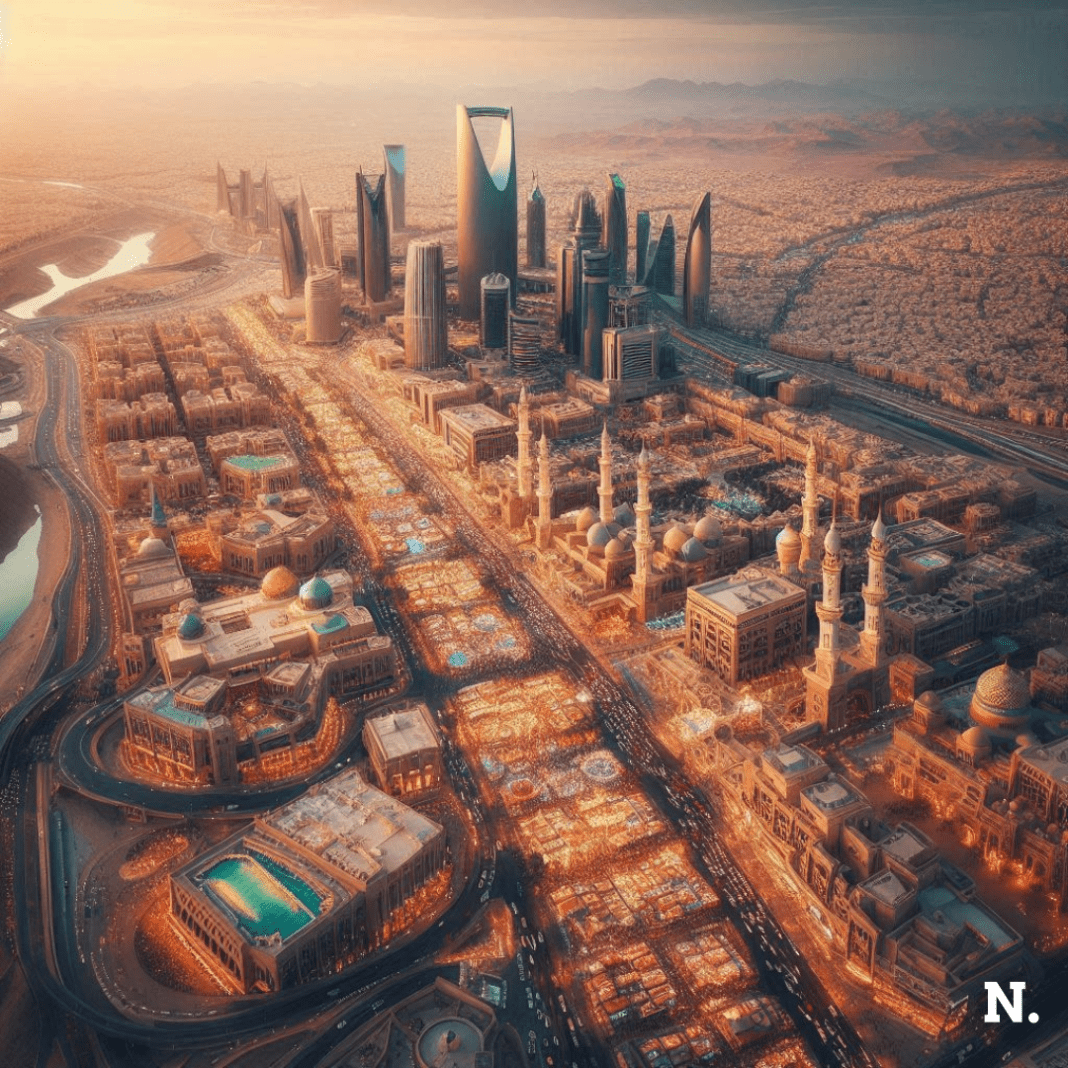

Saudi Arabia has recently made headlines with astonishing statistics in the tourism sector. The Kingdom recorded a 73 percent increase in the number of international tourist arrivals. In addition, the tourism industry’s earnings increased by an astounding 207%. These impressive figures were highlighted in the latest World Tourism Barometer report by UN Tourism, showcasing Saudi Arabia’s transformation into a global travel hotspot.
A Booming Tourism Industry
The increase in tourism represents a noteworthy accomplishment for Saudi Arabia. According to data from the Saudi Press Agency (SPA), Saudi Arabia has continued to lead among the G20 nations in the growth rate of international tourists. The country has also excelled in tourism revenues. This trend reflects the Kingdom’s strategic efforts to boost its tourism sector. These efforts are in line with the Vision 2030 initiative, which aims to diversify the economy beyond oil.
17.5 million foreign visitors visited Saudi Arabia in the first seven months of 2024. This remarkable increase can be attributed to the Kingdom’s efforts to enhance its various tourist destinations, making them more attractive and accessible to visitors from around the world. The rise in tourist numbers is not just a one-time event; in 2023, the Kingdom already saw a 56 percent growth in international tourist arrivals compared to 2019, reaching a total of 27.4 million tourists. This consistent upward trajectory places Saudi Arabia at the top of the UN Tourism Data Dashboard, which tracks the growth rate of international tourists for major tourist destinations.
The Kingdom’s appeal as a tourist destination is multifaceted. It offers a rich tapestry of culture, history, and modern attractions. From the ancient Nabatean city of AlUla to the contemporary skyline of Riyadh, there is a blend of tradition and innovation that attracts diverse tourists. Moreover, Saudi Arabia has invested significantly in infrastructure, including hotels, transportation, and entertainment venues, making it easier for tourists to explore the Kingdom.
Historic Financial Surplus
The impact of the tourism boom is not only seen in the increased number of visitors but also in the financial benefits it brings. The travel account in Saudi Arabia’s balance of payments recorded a historic surplus of 48 billion riyals in 2023. This marks a 38 percent increase from the previous year, highlighting how vital tourism is to the Kingdom’s economy.
This surplus indicates that more money is flowing into the country from tourists than is being spent by Saudis traveling abroad. Such financial health is crucial for the Kingdom as it seeks to establish a more balanced economy. The revenues generated from tourism can be reinvested in public services, infrastructure, and further tourism development, creating a cycle of growth that benefits the entire nation.
The government’s proactive measures have significantly boosted tourism. This includes easing visa regulations and promoting cultural festivals. Such initiatives have played a pivotal role in the country’s financial success. Events like the Riyadh Season have attracted large crowds. Additionally, various cultural exhibitions have drawn both local and international visitors, further contributing to the financial surplus.
Tourist Experiences and Offerings
Saudi Arabia’s diverse tourist offerings cater to a wide range of interests. Adventure seekers can enjoy activities such as dune bashing in the Empty Quarter or diving in the Red Sea, known for its vibrant coral reefs and marine life. Cultural enthusiasts can explore the UNESCO World Heritage sites scattered throughout the Kingdom, which tell the story of the rich history and heritage of the Arabian Peninsula.
The Kingdom’s focus on tourism aligns with its goal of making it a key driver of economic growth. With an increasing number of international visitors, the hospitality industry is also flourishing. More hotels and resorts are being developed to accommodate the growing influx of tourists. There are options for every budget and taste, as well as luxurious lodging.
Moreover, Saudi Arabia is making strides in promoting its culinary scene, showcasing traditional dishes alongside international cuisine. Food festivals and culinary experiences are becoming popular attractions, enticing food lovers from across the globe.
While the tourism sector is thriving, there are challenges to address. The rapid growth in visitor numbers requires careful management to ensure sustainability. Balancing the preservation of cultural heritage with the demands of tourism is crucial for the long-term success of the industry.
Saudi Arabia’s remarkable growth in international tourism reflects a significant transformation within the Kingdom. With increased tourist arrivals and revenues, the Kingdom is successfully positioning itself as a leading destination in the global tourism landscape. Additionally, there is a historic surplus in the travel account. As Saudi Arabia continues to develop its tourism sector, it remains focused on providing enriching experiences for visitors. At the same time, the Kingdom is navigating the challenges that come with such rapid growth.