
Massive CCTV Hacking Operation Exposed
Authorities have uncovered a disturbing cybercrime case, revealing a large-scale hacking operation that targeted CCTV security cameras across various locations. Investigators have found that hackers gained unauthorized access to at least 50,000 CCTV surveillance camera recordings over nine months. These recordings included footage from hospitals, schools, factories, offices, and even private homes. The hackers distributed and sold the stolen CCTV videos on different online platforms, raising serious concerns about digital privacy and security vulnerabilities.
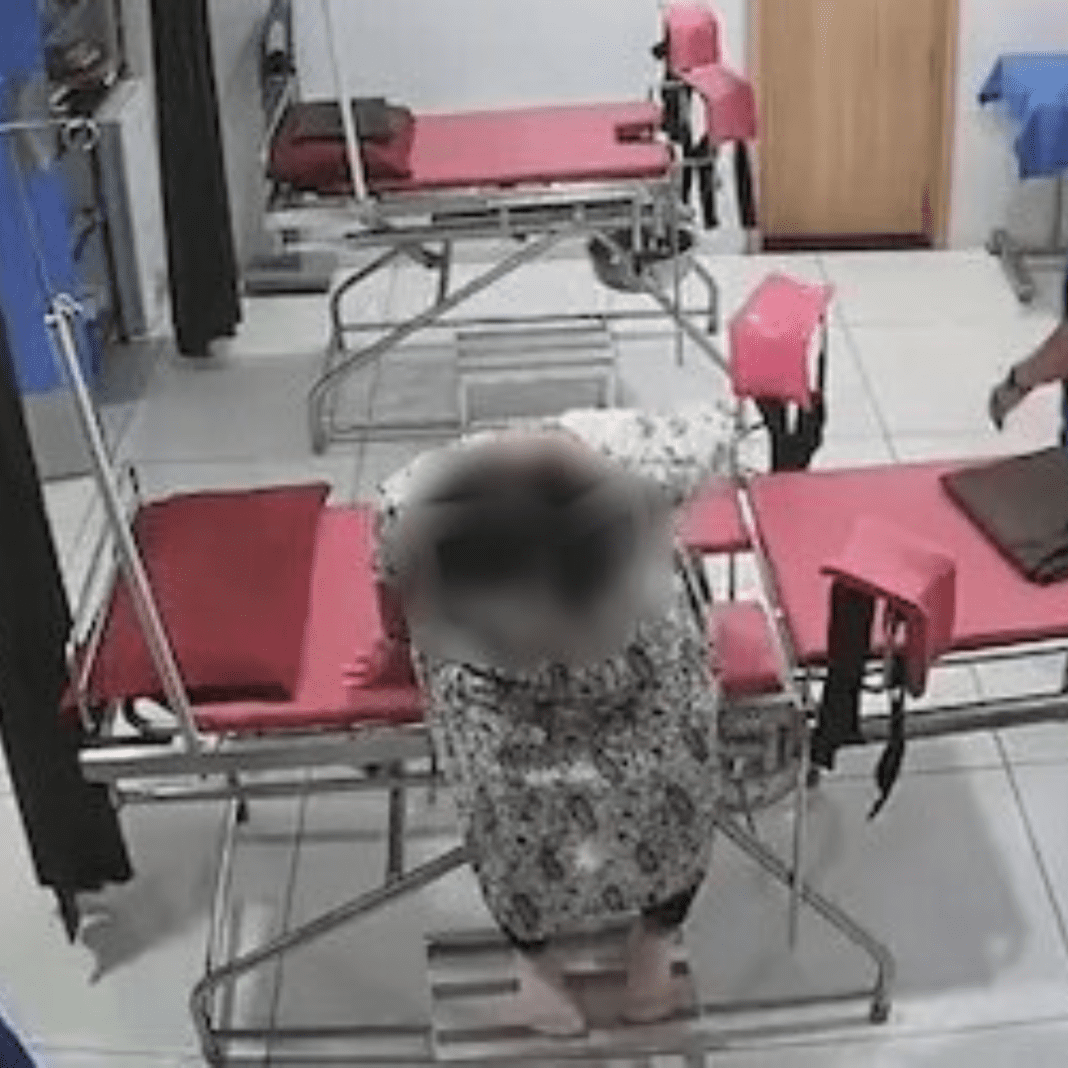
Law enforcement agencies have arrested multiple individuals in connection with this crime. The investigation revealed that the accused used sophisticated hacking tools to break into CCTV security camera systems. They targeted locations where cameras had weak security settings, allowing them to take control of live feeds and stored recordings. One of the most shocking aspects of this case is that a maternity ward in a hospital was among the hacked locations, making it clear that no place was safe from this illegal activity.
Authorities have been closely monitoring these activities for months. They have been tracking how the hackers gained access to these CCTV systems, how they stored and distributed the footage, and how they benefited financially from selling it. As more details come to light, investigators are realizing that multiple people played different roles in this highly organized cybercrime operation.
How the CCTV Hacking Was Carried Out
The accused reportedly used three different software programs to break into surveillance systems. These programs allowed them to bypass security measures and gain access to cameras remotely. They exploited vulnerabilities in surveillance systems, particularly targeting unsecured IP addresses and open ports. This gave them full control over the cameras, enabling them to watch live footage and access stored video recordings without the knowledge of the owners.
Investigators have found that the accused worked together to carry out this operation. Some individuals were responsible for the technical hacking, while others focused on distributing and selling the stolen videos. They used encrypted messaging platforms to share the content with buyers. Reports suggest that hackers created multiple accounts on these platforms, making it difficult for authorities to track them.
One of the key aspects of the case is that some of the accused had a strong background in computer science and cyber security. They used their expertise to exploit weaknesses in security systems, gaining unauthorized access to cameras in various locations. The targeting of private homes has raised alarms about the growing risks of cybercrime and the need for stronger digital security.
Authorities have revealed that the accused operated from different parts of the country. This made the investigation more challenging, as law enforcement agencies had to coordinate across multiple cities. After months of technical analysis and intelligence gathering, police teams successfully tracked down and arrested several individuals involved in the crime.
Investigation and Legal Action
Authorities have taken six people into custody in relation to the case thus far. They apprehended the suspects from different cities based on digital evidence and intelligence reports. During the remand hearing, the prosecution highlighted the seriousness of the crime and requested extended custody of the accused. The court granted remand for some of them until early March, allowing authorities more time to investigate the full extent of their activities.
One of the biggest challenges in the investigation has been the destruction of evidence. After the case was exposed, some of the accused attempted to erase their tracks by formatting their laptops and mobile phones. However, police teams have managed to recover these devices and are now working to retrieve the deleted data. Investigators are also focusing on identifying other individuals who may have been involved in the hacking operation.
Another key aspect of the investigation is tracing the financial transactions linked to the sale of the stolen footage. Authorities are examining how the hackers monetized their illegal activities and how the money was transferred. Understanding the financial trail will help uncover additional links in the case and identify any other people involved.
This case has brought attention to the dangers of cybercrime and the importance of stronger security measures for surveillance systems. Many security cameras, especially those used in public places and private homes, have weak protections, making them easy targets for hackers. As authorities continue their investigation, the case serves as a warning about the risks of digital insecurity and the need for stricter cyber security measures.