

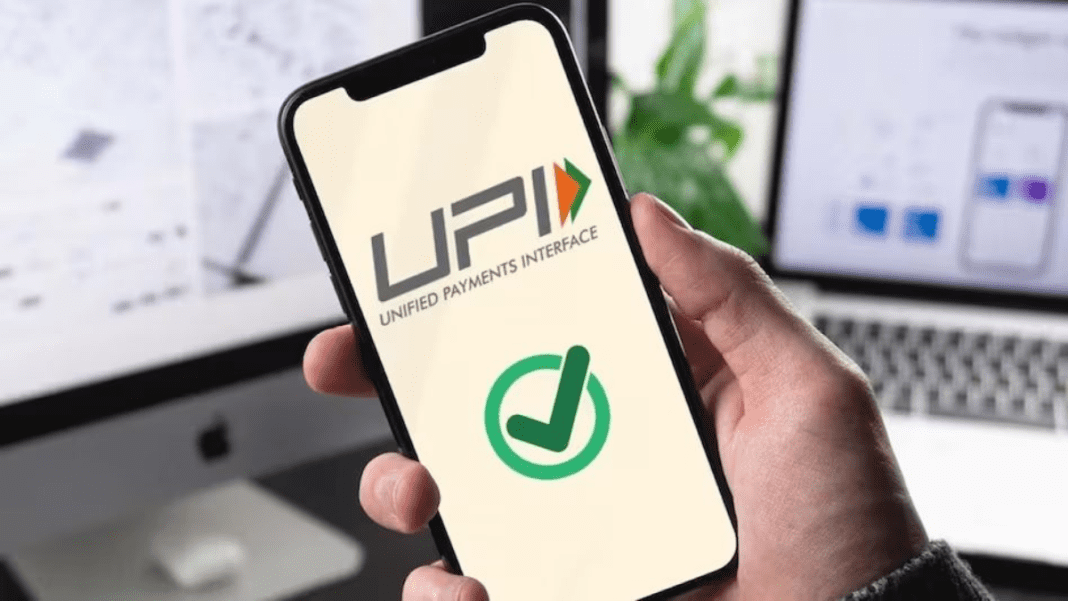
₹1,087 Crore Lost to UPI Frauds Triggers Action By RBI and NPCI

UPI Fraud Hits One in Five Families Across India

A recent survey has revealed a worrying trend in India’s growing digital payment space. One in every five Indian families using UPI (Unified Payments Interface) has faced fraud at least once since 2022. The survey, conducted by LocalCircles between March and June 2025, covered over 32,000 participants from 365 districts across the country. These findings raise serious concerns about the safety of India’s most popular payment method.

UPI has made it easy for people to send and receive money using their mobile phones. Transactions happen instantly, and there is no need to carry cash or visit a bank. However, this ease has also made it a favorite target for scammers.

Out of those who fell victim to fraud, half said their UPI PIN or app settings were hacked, allowing thieves to carry out unauthorized transactions. Another 40% said they lost money after clicking on fake payment links received via SMS, WhatsApp, or other social media platforms. In many cases, people were tricked through more than one method, such as QR code scams or fake calls from fraudsters pretending to be bank officials.

Even though there are ways to report such crimes, more than 51% of the affected users did not file a complaint. Many said they didn’t know how or found the reporting process too confusing. Others simply did not believe their complaint would make a difference.

₹1,087 Crore Lost to Digital Frauds in One Year

Digital payment frauds have become a major problem across India. According to the Reserve Bank of India (RBI), more than 56% of all banking frauds in the financial year 2024 were related to digital transactions, especially UPI. In total, the country reported over 1.34 million digital payment frauds that year, leading to losses of more than ₹1,087 crore.

Fraudsters used several tricks to deceive people. Some scams involved sending fake payment links or QR codes that secretly gave access to the user’s bank details. Others used panic and urgency over phone calls to convince people to share confidential information like their UPI PIN or OTP.

Dark Side of Digital Payment: India’s Alarming Rise in Online Fraud

While tools like the National Cybercrime Reporting Portal and helpline 1930 are meant to help victims, a large number of people still don’t report the fraud. This shows that many users are not aware of the right steps to take or lack trust in the system.

Security experts say that the rapid growth of UPI has made it a common target for cybercriminals. They recommend that users never share their UPI PINs or OTPs with anyone, avoid clicking on suspicious links, and only install UPI apps from official app stores. They also advise people not to use public Wi-Fi for financial transactions, as it can be easier for hackers to access data on open networks.

RBI and NPCI Roll Out Major Safeguards From June 30

Fraud cases are rising fast. To fight this, the RBI, NPCI, and Ministry of Finance have made new rules. These will start on June 30, 2025. One key rule is for all UPI apps. They must show only the bank-registered name of the person receiving the money. This will help users avoid scams. Many fraudsters trick people using fake or similar names. The new rule aims to stop that.

To further protect users, UPI apps will now include improved fraud detection systems powered by artificial intelligence. These systems will watch transactions in real-time and detect any unusual behavior that could signal fraud. If something suspicious happens, the system can take quick action to block the transaction or alert the user.

The new safeguards also include device binding, which means UPI apps will work only on verified phones. Banks and payment platforms will enforce two-factor authentication more strictly to prevent transaction hijacking. They will also strengthen daily transaction limits to reduce financial losses in case of a scam.

Hackers Steal Digital Gold Worth ₹1.95 Crore on Aditya Birla’s Finserv App

Authorities are also encouraging the use of biometric verification like fingerprint or facial recognition for better protection. All UPI apps will also go through tighter security checks to identify and fix any weak spots.

Banks have also been asked to tighten their customer verification process using Aadhaar-based eKYC and smarter tracking of account behavior. This will help stop fraud accounts before they can cause harm.

UPI now handles over 185 billion transactions each year and accounts for more than 83% of India’s total digital payment volume. To protect millions of users, authorities consider these new steps essential. They aim to make users feel more secure through stronger rules, improved technology, and greater awareness.

Renuka Bangale
Renuka Bangale
Renuka is a distinguished Chartered Accountant and a Certified Digital Threats Analyst from Riskpro, renowned for her expertise in cybersecurity. With a deep understanding of cybercrimes, malware, cyber warfare, and espionage, she has established herself as an authority in the field. Renuka combines her financial acumen with advanced knowledge of digital threats to provide unparalleled insights into the evolving landscape of information security. Her analytical prowess enables her to dissect complex cyber incidents, offering clarity on risks and mitigation strategies. As a key contributor to Newsinterpretation’s information security category, Renuka delivers authoritative articles that educate and inform readers about emerging threats and best practices.

TOP 10 TRENDING ON NEWSINTERPRETATION

Cyber Attacks on Space Infrastructure: Satellites, GPS and the Ground Systems Behind Them

From the Viasat KA-SAT hack to GPS jamming over the Baltic, a research guide to how attackers target satellites, navigation signals and ground stations, and why it matters on Earth.

How AI Agents Are Used in Cyber Attacks: From Assisted Hacking to AI-Orchestrated Espionage

Attackers now use AI agents to scan networks, write exploits and run extortion campaigns. A research guide to documented cases, including the first reported AI-orchestrated espionage campaign, and what defenders should do.

Cyber Attacks on AI and LLMs: How Attackers Target Large Language Models

Prompt injection, data poisoning, model theft and jailbreaks: a research guide to how attackers target AI systems and large language models, with real cases and defences.

French Supermarket Refrigeration Cyberattack: How Hacking the Cold Chain Can Endanger Lives

In October 2026 attackers heated refrigeration cabinets in hundreds of French supermarkets to as much as 50°C. No one was hurt, but the attack shows how hacking the cold chain can endanger lives through fire, food poisoning and spoiled medicines.

Cyberattacks on Nuclear Facilities: Stuxnet, Kudankulam and the Limits of Air Gaps

Stuxnet, the Davis-Besse worm and malware at India’s Kudankulam plant: what they show about cyber risk at nuclear facilities and the limits of air gaps.

Triton: When Hackers Target the Safety Systems That Prevent Industrial Disasters

The 2017 Triton attack targeted the safety systems that prevent industrial disasters. What happened, who was charged, and how plants protect their last line of defence.

Cybersecurity Risks in Smart Cities: When Connected Infrastructure Fails

How connecting traffic control, emergency alerts and utilities concentrates cyber risk in cities, what the Dallas and Atlanta incidents showed, and what governments recommend.

Weaponized Drones: Hijacking, GPS Spoofing and Emerging Cyber Warfare Risks

How drones can be hijacked, jammed or misled by GPS spoofing, what researchers have demonstrated, and why governments treat drone fleets as a security risk.

Ransomware Attacks on Hospitals: How Healthcare Cyberattacks Put Patients at Risk

How ransomware against hospitals and their suppliers delays care and endangers patients, what the Düsseldorf and WannaCry cases show, and what research says about deaths.

Operational blunder exposes massive Russian cyber espionage attack on Ukrainian prosecutors

A major cyberattack has compromised the email accounts of...

Cyber Attacks on Space Infrastructure: Satellites, GPS and the Ground Systems Behind Them

From the Viasat KA-SAT hack to GPS jamming over the Baltic, a research guide to how attackers target satellites, navigation signals and ground stations, and why it matters on Earth.

French Supermarket Refrigeration Cyberattack: How Hacking the Cold Chain Can Endanger Lives

In October 2026 attackers heated refrigeration cabinets in hundreds of French supermarkets to as much as 50°C. No one was hurt, but the attack shows how hacking the cold chain can endanger lives through fire, food poisoning and spoiled medicines.

Cyberattacks on Nuclear Facilities: Stuxnet, Kudankulam and the Limits of Air Gaps

Stuxnet, the Davis-Besse worm and malware at India’s Kudankulam plant: what they show about cyber risk at nuclear facilities and the limits of air gaps.

Triton: When Hackers Target the Safety Systems That Prevent Industrial Disasters

The 2017 Triton attack targeted the safety systems that prevent industrial disasters. What happened, who was charged, and how plants protect their last line of defence.

Cybersecurity Risks in Smart Cities: When Connected Infrastructure Fails

How connecting traffic control, emergency alerts and utilities concentrates cyber risk in cities, what the Dallas and Atlanta incidents showed, and what governments recommend.

Ransomware Attacks on Hospitals: How Healthcare Cyberattacks Put Patients at Risk

How ransomware against hospitals and their suppliers delays care and endangers patients, what the Düsseldorf and WannaCry cases show, and what research says about deaths.

FBI warns of AVrecon malware targeting outdated routers linked to proxy based cybercrime

A serious cybersecurity warning has been issued regarding commonly...

Related Articles

Popular Categories
