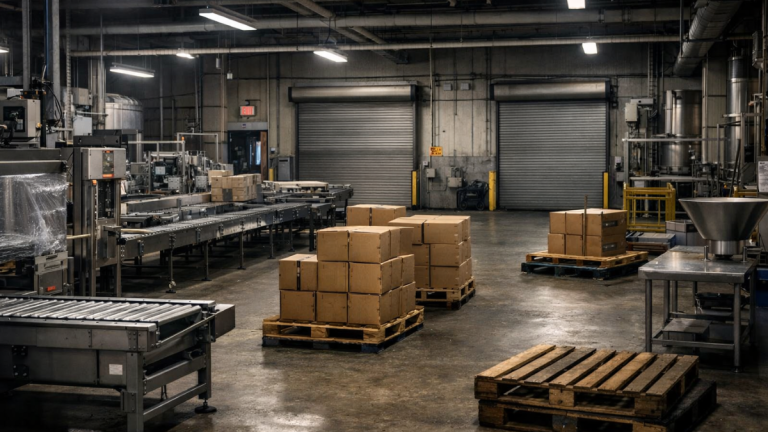
The food and beverage industry experienced a very difficult year in 2025. Many large companies announced layoffs and plant closures as they struggled with falling profits and rising costs. These job cuts affected tens of thousands of workers and highlighted serious challenges across the sector.
Well-known companies such as Nestlé, General Mills, and Molson Coors were among the most high-profile names to announce workforce reductions during the year. The layoffs were part of broader efforts to reduce expenses and adjust to changing market conditions. Both factory workers and corporate employees were impacted as companies reviewed how they operate.
A Brutal Year for Food and Beverage Companies
At least a dozen major food and beverage manufacturers laid off large numbers of employees in 2025. Many companies faced pressure from higher costs related to ingredients, labor, packaging, and transportation. At the same time, profits declined as sales slowed across several categories.
Consumer behavior played a major role in these challenges. Many shoppers became more careful with their spending. Some bought fewer packaged foods. Others switched to cheaper brands or reduced purchases of certain drinks. These shifts lowered demand for many products that large manufacturers rely on.
McKinsey faces sweeping job cuts as consulting giant confronts slowing growth at 100
As a result, companies began making difficult decisions. Several businesses closed factories that were no longer profitable. Others reduced staff at offices and production sites. These actions were often described as part of restructuring or cost-cutting plans.
Manufacturing workers were among the most affected. When a plant closes, many jobs are lost at once. Corporate teams were also reduced as companies cut back on marketing, management, and administrative roles. These layoffs showed how deeply the financial pressure affected the industry.
The job cuts were not limited to one company or region. Large multinational businesses made reductions across different locations. This demonstrated that the problems were widespread and affected the global food and beverage sector as a whole.
Restructuring and Portfolio Reviews Drive Layoffs
Many companies said the layoffs were part of reviewing their business portfolios. This process involved closely examining brands, products, and facilities to decide which areas were performing well and which were not. Products that failed to meet expectations were reduced or removed.
These portfolio reviews often led to job losses. When a product line is discontinued or a factory is shut down, fewer workers are needed. Companies aimed to simplify operations and focus on their strongest brands.
Some businesses faced challenges unique to their categories. Beyond Meat was one example highlighted during the year. The plant-based meat market continued its multiyear decline in 2025. As demand weakened, Beyond Meat laid off about 6% of its workforce.
October jobs report vanishes amid shutdown — economists fear permanent damage
Other companies also adjusted to falling consumption in their segments. Beverage companies responded to lower alcohol sales. Packaged food producers dealt with slower growth and reduced volumes. These trends added pressure to cut costs quickly.
Layoffs happened in different ways. Some companies announced large job cuts at once. Others made several smaller reductions over time. Together, these actions resulted in tens of thousands of lost jobs across the industry.
Widespread Job Losses Across the Industry
According to a compilation by Food Dive, 2025 stood out as one of the most challenging years for employment in the food and beverage sector. The list included many of the industry’s biggest names and showed how widespread the layoffs became.
Both manufacturing and corporate roles were affected as companies tried to control spending. Plant closures, office downsizing, and restructuring became common throughout the year. These steps reflected how seriously businesses were impacted by declining profits and changing consumer preferences.
The layoffs underscored the scale of change taking place across the food and beverage industry in 2025. Companies responded to economic pressure by reducing their workforce and reshaping their operations, marking a difficult period for workers and businesses alike.