

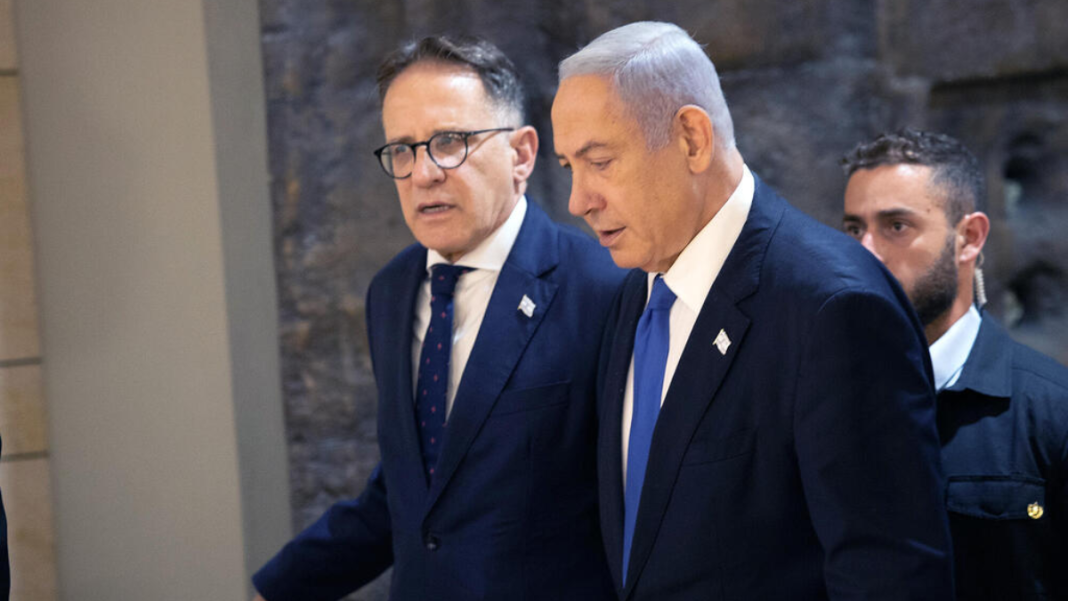

An Iranian hacking group, Handala, reportedly broke into the cell phone of Tzahi Braverman, chief of staff to Israeli Prime Minister Benjamin Netanyahu. The hackers claimed to have accessed sensitive information, including the contacts of elite security personnel responsible for protecting Israel’s top leaders.
Among the exposed contacts were 36 agents from Unit 730, a special Shin Bet security detail that guards Israel’s president, prime minister, and other high-ranking officials. In addition to these critical contacts, Braverman’s phone contained roughly 2,000 other contacts, including political figures and staff, leaving many people vulnerable to cyberattacks.
Israeli security sources described the breach as extremely serious, warning that both the agents and the individuals they protect could face grave danger. The leak coincided with Netanyahu’s visit to the United States for his fifth Oval Office meeting in a single year, raising concerns that the timing could undermine Israel’s diplomatic efforts and international credibility.
Hacker Claims and Security Implications
The Iranian hackers released statements emphasizing the breach’s impact. Handala warned that every layer of security surrounding Braverman had failed and that the contacts of top officials were now exposed. The messages were intended to demoralize Israeli leadership and sow fear, highlighting vulnerabilities in their security practices.
Iran-linked hackers targeted Israeli law firms, logistics and infrastructure in 2025 cyber surge
Although there is no proof that the hackers accessed classified intelligence beyond the contact list, the exposure of Unit 730 agents is still considered a major security failure. Revealing the names and phone numbers of elite operatives could endanger ongoing operations and compromise their safety.
Experts pointed out that the breach demonstrates how digital devices can become a major weak point in modern security. Even high-ranking officials like Braverman are vulnerable if their communications are not properly protected. This incident shows the challenges governments face in safeguarding sensitive information in the digital age.
Controversial Background of Tzahi Braverman
Braverman has been involved in several high-profile scandals in recent years. He played a role in leaking IDF intelligence documents to foreign media, including outlets in Germany and Britain. These reports were initially portrayed as secret Hamas war plans, but Israeli security authorities later determined that the documents were outdated and of little value. The incident angered the IDF, which investigated the leak, but Braverman faced no formal consequences, largely due to protection from Netanyahu.
Iran-linked hackers weaponize doxxing and bounties in escalating cyber war on Israelis
Braverman was also reportedly involved in media influence operations connected to Qatar, where staff in the Prime Minister’s Office were indirectly funded to shape media narratives. These operations were intended to highlight Qatar’s role in negotiations with Hamas while diminishing Egypt’s influence. Although Braverman has not been officially charged, he was likely aware of these activities due to his senior position.
Additionally, Braverman has been accused of attempting to alter official records regarding Netanyahu’s response to the October 7, 2023 attack. The official timeline was reportedly changed to make it appear that the Prime Minister issued instructions earlier than he actually did, potentially obscuring the true sequence of events during the crisis.
Despite these controversies, Braverman was recently appointed Israel’s ambassador to Britain, demonstrating continued trust from Netanyahu. This aligns with a pattern in which aides implicated in scandals are moved abroad to reduce scrutiny, rather than face consequences. The current phone hack represents another security lapse connected to Braverman, highlighting the risks posed by improperly secured communications among top officials.
The exposure of Unit 730 agents, alongside Braverman’s controversial history, underscores the seriousness of this cyber breach. It is a reminder that even senior figures with long-standing access to sensitive information can make mistakes that threaten national security.