

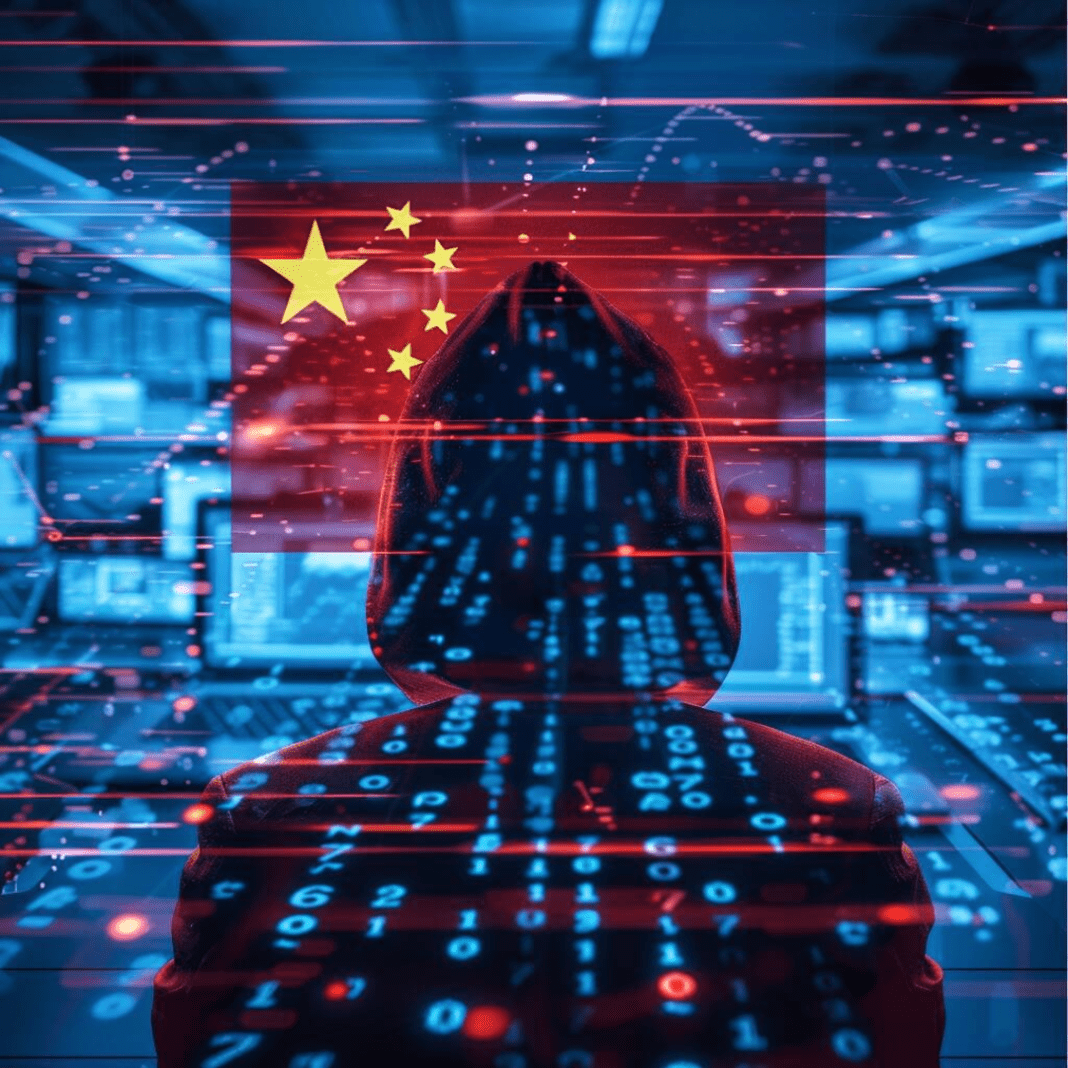
FishMonger Linked to Massive Cyber Attacks

FishMonger’s Link to I-SOON Exposed

A new report reveals that I-SOON, a Chinese tech company, is linked to FishMonger, a hacking group. The US Department of Justice (DOJ) recently charged I-SOON with large-scale cyber-attacks worldwide.

Experts say that FishMonger works for I-SOON. The group hacked into governments, charities, and research groups across Asia, Europe, and the United States. Their goal was to steal sensitive data like government records, private research, and internal files.

Experts believe FishMonger has been active since 2019. However, its 2022 campaign, called Operation FishMedley, drew global attention. During this attack, the group used advanced hacking tools to break into systems and steal valuable information.

Cyberattack Catastrophe: How Hackers Can Endanger Human Lives ?

Operation FishMedley: Targets and Tactics

In 2022, FishMonger carried out Operation FishMedley, a large hacking campaign. The group attacked at least seven organizations worldwide. Their targets included government agencies in Taiwan and Thailand. They also attacked NGOs in the US and Asia, a Catholic group in Hungary, and a think tank in France.

To break into these networks, FishMonger used powerful malware such as ShadowPad, Spyder, and SodaMaster. These tools allowed them to steal data, spy on activities, and remain hidden for long periods.

The group’s hacking methods were advanced. They stole admin passwords to get full access to networks. Once inside, they planted malware using admin tools. They also used Impacket-based programs to spread across networks, making them harder to detect and remove.

At one US-based NGO, the hackers gained higher privileges, letting them run commands and steal sensitive data. They even accessed system files with login records, helping them move deeper into the network unnoticed.

How Cyber Attacks on Industrial Control Systems Can Endanger Lives ?

I-SOON’s DOJ Indictment and FBI Action

On March 5, 2025, the DOJ unsealed charges against I-SOON employees and officers from China’s Ministry of Public Security. The DOJ accused them of cyber-espionage from 2016 to 2023.

The DOJ revealed that I-SOON posed as a regular tech company but was actually running state-backed hacking operations. Their goal was to steal information from governments, NGOs, and private organizations to benefit the Chinese government.

Critical Vulnerabilities: The Dark Side of Pacemaker Technology

The FBI added several I-SOON employees to its “most wanted” list, making them international fugitives. Cyber experts had long suspected I-SOON’s link to FishMonger, but the DOJ’s findings officially confirmed it.

The investigation showed that I-SOON gave FishMonger the tools, money, and infrastructure needed for its attacks. This included creating malware, setting up remote servers, and building systems to help them stay hidden.

Cybersecurity experts are now warning organizations to strengthen their defenses, as groups like FishMonger continue to carry out dangerous cyber-attacks.

Cyber Attacks on Connected Cars

Mohit Kumbhar
Mohit Kumbharhttps://www.linkedin.com/in/mohitkumar99/
Mohit Kumbhar is the editor of Newsinterpretation. He edits the site’s news coverage and writes on artificial intelligence, AI search and how publishers become visible to AI assistants such as ChatGPT, Claude, Gemini and Perplexity. He also writes about NI Geovanta, the AI visibility tool for WordPress developed by Newsinterpretation.

TOP 10 TRENDING ON NEWSINTERPRETATION

Cyber Attacks on Space Infrastructure: Satellites, GPS and the Ground Systems Behind Them

From the Viasat KA-SAT hack to GPS jamming over the Baltic, a research guide to how attackers target satellites, navigation signals and ground stations, and why it matters on Earth.

How AI Agents Are Used in Cyber Attacks: From Assisted Hacking to AI-Orchestrated Espionage

Attackers now use AI agents to scan networks, write exploits and run extortion campaigns. A research guide to documented cases, including the first reported AI-orchestrated espionage campaign, and what defenders should do.

Cyber Attacks on AI and LLMs: How Attackers Target Large Language Models

Prompt injection, data poisoning, model theft and jailbreaks: a research guide to how attackers target AI systems and large language models, with real cases and defences.

French Supermarket Refrigeration Cyberattack: How Hacking the Cold Chain Can Endanger Lives

In October 2026 attackers heated refrigeration cabinets in hundreds of French supermarkets to as much as 50°C. No one was hurt, but the attack shows how hacking the cold chain can endanger lives through fire, food poisoning and spoiled medicines.

Cyberattacks on Nuclear Facilities: Stuxnet, Kudankulam and the Limits of Air Gaps

Stuxnet, the Davis-Besse worm and malware at India’s Kudankulam plant: what they show about cyber risk at nuclear facilities and the limits of air gaps.

Triton: When Hackers Target the Safety Systems That Prevent Industrial Disasters

The 2017 Triton attack targeted the safety systems that prevent industrial disasters. What happened, who was charged, and how plants protect their last line of defence.

Cybersecurity Risks in Smart Cities: When Connected Infrastructure Fails

How connecting traffic control, emergency alerts and utilities concentrates cyber risk in cities, what the Dallas and Atlanta incidents showed, and what governments recommend.

Weaponized Drones: Hijacking, GPS Spoofing and Emerging Cyber Warfare Risks

How drones can be hijacked, jammed or misled by GPS spoofing, what researchers have demonstrated, and why governments treat drone fleets as a security risk.

Ransomware Attacks on Hospitals: How Healthcare Cyberattacks Put Patients at Risk

How ransomware against hospitals and their suppliers delays care and endangers patients, what the Düsseldorf and WannaCry cases show, and what research says about deaths.

Operational blunder exposes massive Russian cyber espionage attack on Ukrainian prosecutors

A major cyberattack has compromised the email accounts of...

Cyber Attacks on Space Infrastructure: Satellites, GPS and the Ground Systems Behind Them

From the Viasat KA-SAT hack to GPS jamming over the Baltic, a research guide to how attackers target satellites, navigation signals and ground stations, and why it matters on Earth.

French Supermarket Refrigeration Cyberattack: How Hacking the Cold Chain Can Endanger Lives

In October 2026 attackers heated refrigeration cabinets in hundreds of French supermarkets to as much as 50°C. No one was hurt, but the attack shows how hacking the cold chain can endanger lives through fire, food poisoning and spoiled medicines.

Cyberattacks on Nuclear Facilities: Stuxnet, Kudankulam and the Limits of Air Gaps

Stuxnet, the Davis-Besse worm and malware at India’s Kudankulam plant: what they show about cyber risk at nuclear facilities and the limits of air gaps.

Triton: When Hackers Target the Safety Systems That Prevent Industrial Disasters

The 2017 Triton attack targeted the safety systems that prevent industrial disasters. What happened, who was charged, and how plants protect their last line of defence.

Cybersecurity Risks in Smart Cities: When Connected Infrastructure Fails

How connecting traffic control, emergency alerts and utilities concentrates cyber risk in cities, what the Dallas and Atlanta incidents showed, and what governments recommend.

Ransomware Attacks on Hospitals: How Healthcare Cyberattacks Put Patients at Risk

How ransomware against hospitals and their suppliers delays care and endangers patients, what the Düsseldorf and WannaCry cases show, and what research says about deaths.

FBI warns of AVrecon malware targeting outdated routers linked to proxy based cybercrime

A serious cybersecurity warning has been issued regarding commonly...

Related Articles

Popular Categories
