

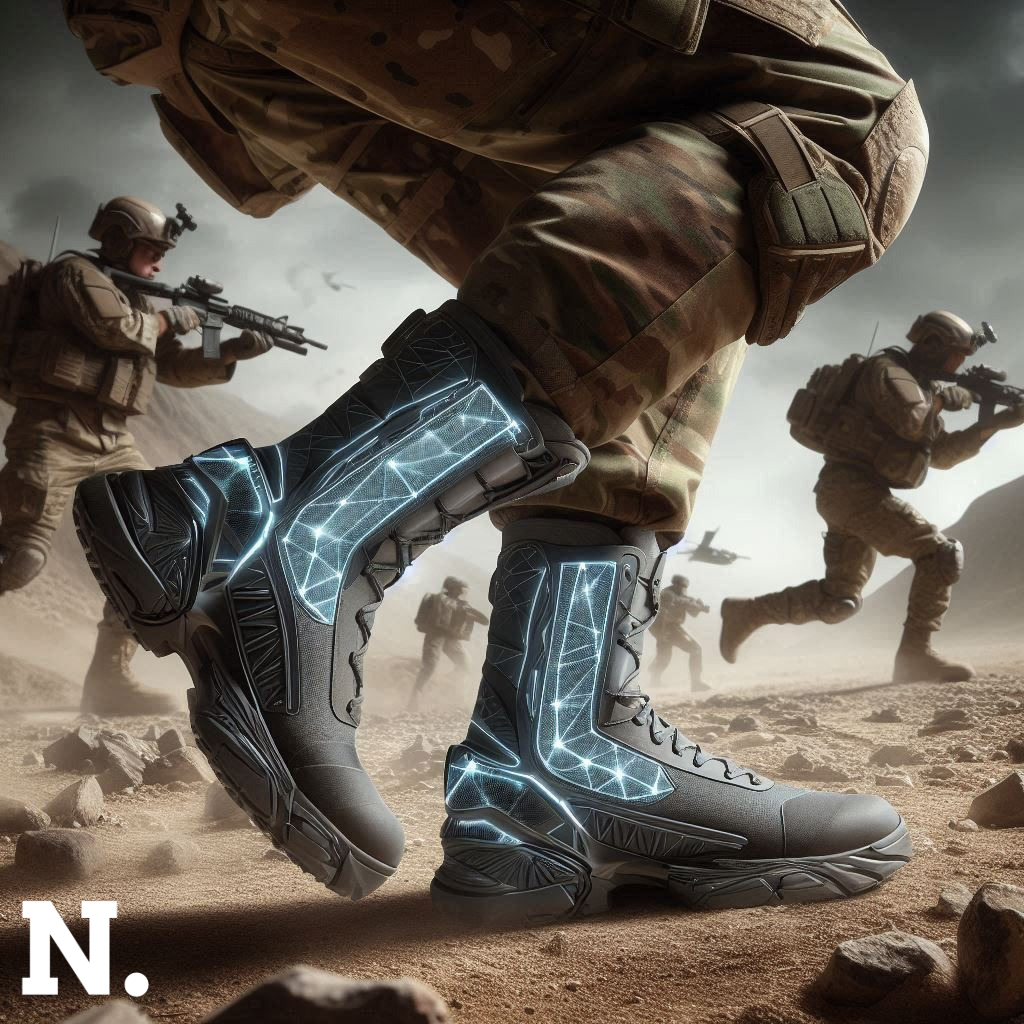
Graphene Composites USA has been selected to participate in the U.S. Military footwear project

In a landmark development in the arena of military technology and innovation, Graphene Composites USA has been selected to participate in a pioneering project. That will see the company design material to fundamentally change military footwear in the United States. This partnership represents a pivotal point. The latest advancements in material science will be submitted to the most rigorous requirements of military applications. Thus opening up the vision of improved performance, wear life, and protection for soldiers in various operational environments.

Revolutionising Military Footwear

The U.S. military has always led the charge when it comes to new technologies. By trying to find better ways to make their personnel more effective and safe. Boots are essential for the mobility, comfort, and protection of these soldiers. This goes without saying, bearing in mind that the terrains are varied and sometimes harsh. Traditional military boots always have issues with weight, durability, or adaptability to many environmental conditions. These challenges underline the need for novel solutions. Which can meet the complex demands of modern warfare.

Graphene, one single layer of carbon atoms in a hexagonal lattice, means a shot-in-the-arm material. It is used in various industrial sectors due to its extraordinary mechanical, thermal, and electrical properties. Graphene Composites USA is the ultimate company dealing with its development and application. Related to graphene-based technologies brought forth in this cooperative work for redefining military boots

Innovating Military Footwear with Advanced Composites

Graphene Composites USA is known for developing new technologies. They use graphene to make materials that are strong, flexible, and durable. Their special in-house technologies take advantage of graphene’s amazing properties. This helps create lightweight but powerful materials that can handle tough conditions. These materials are perfect for military use, where strength and high performance are very important.

The main goal of the U.S. Military Footwear Project is to use materials strengthened with graphene to make the next generation of combat boots. These boots could perform better in many ways compared to current boots.

Enhanced Durability and Performance

Graphene is exceptionally strong and resistant to abrasive wear. Which could dramatically lengthen the life of military footwear. Thus reducing the rate of replacement and cost.

Good combinations of graphene and the shoe material make sure the shoes are stretchy. This means the thin soles can bend easily. The layers in the shoes slide perfectly to transfer energy, helping soldiers move better and feel less tired during long missions. The shoes are lighter, but they still last a long time.

Graphene also helps the shoes absorb impact and resist penetration, making them great for protecting larger areas.

Graphene composites are very versatile. Thus are easily customised for particular environmental conditions. In order to exhibit optimal performance in the various terrains and climates of interest.

Collaborative Efforts and Innovation

Graphene Composites USA is a great example of how companies and the government work together to make cool new defense technology. They provide the research and knowledge the U.S. military needs to stay ahead in a tough and competitive world.

This teamwork also includes colleges and research institutions. They help with the latest research in material science and nanotechnology. By working together from different fields, they can create amazing new solutions quickly. In order to meet the special challenges that military personnel face.

Future Implications and Industry Effect

Graphene Composites USA is working on special shoes made with a material called graphene. These shoes were first made for the US military. But they could also be great for hiking, police work, and helping in emergencies.

Graphene is a cool material because it’s strong and can be recycled. Which means it’s good for the environment. Using it in shoes shows how the military is trying to be more eco-friendly and use sustainable technology. This fits with the global push to be more green and take care of our planet.

The US Military Footwear Project is a great example of how working together and using new ideas can create amazing things. It’s about combining different skills and knowledge to make the best shoes for defense and security.

This project shows how Graphene Composites USA is leading the way in making high-tech, eco-friendly shoes. It’s not just about military shoes; these innovations can change how shoes are made. And innovate for many different uses in the future.


Rajlaxmi Deshmukh
Rajlaxmi Deshmukh
Rajlaxmi Deshmukh is a Political Science Expert with Keen Interest in Geopolitics. She was working with a Think Tank Based in Pune before she joined News Interpretation in the capacity of Geo Political Editor.

TOP 10 TRENDING ON NEWSINTERPRETATION

Cyber Attacks on Space Infrastructure: Satellites, GPS and the Ground Systems Behind Them

From the Viasat KA-SAT hack to GPS jamming over the Baltic, a research guide to how attackers target satellites, navigation signals and ground stations, and why it matters on Earth.

How AI Agents Are Used in Cyber Attacks: From Assisted Hacking to AI-Orchestrated Espionage

Attackers now use AI agents to scan networks, write exploits and run extortion campaigns. A research guide to documented cases, including the first reported AI-orchestrated espionage campaign, and what defenders should do.

Cyber Attacks on AI and LLMs: How Attackers Target Large Language Models

Prompt injection, data poisoning, model theft and jailbreaks: a research guide to how attackers target AI systems and large language models, with real cases and defences.

French Supermarket Refrigeration Cyberattack: How Hacking the Cold Chain Can Endanger Lives

In October 2026 attackers heated refrigeration cabinets in hundreds of French supermarkets to as much as 50°C. No one was hurt, but the attack shows how hacking the cold chain can endanger lives through fire, food poisoning and spoiled medicines.

Cyberattacks on Nuclear Facilities: Stuxnet, Kudankulam and the Limits of Air Gaps

Stuxnet, the Davis-Besse worm and malware at India’s Kudankulam plant: what they show about cyber risk at nuclear facilities and the limits of air gaps.

Triton: When Hackers Target the Safety Systems That Prevent Industrial Disasters

The 2017 Triton attack targeted the safety systems that prevent industrial disasters. What happened, who was charged, and how plants protect their last line of defence.

Cybersecurity Risks in Smart Cities: When Connected Infrastructure Fails

How connecting traffic control, emergency alerts and utilities concentrates cyber risk in cities, what the Dallas and Atlanta incidents showed, and what governments recommend.

Weaponized Drones: Hijacking, GPS Spoofing and Emerging Cyber Warfare Risks

How drones can be hijacked, jammed or misled by GPS spoofing, what researchers have demonstrated, and why governments treat drone fleets as a security risk.

Ransomware Attacks on Hospitals: How Healthcare Cyberattacks Put Patients at Risk

How ransomware against hospitals and their suppliers delays care and endangers patients, what the Düsseldorf and WannaCry cases show, and what research says about deaths.

Operational blunder exposes massive Russian cyber espionage attack on Ukrainian prosecutors

A major cyberattack has compromised the email accounts of...

Cyber Attacks on Space Infrastructure: Satellites, GPS and the Ground Systems Behind Them

From the Viasat KA-SAT hack to GPS jamming over the Baltic, a research guide to how attackers target satellites, navigation signals and ground stations, and why it matters on Earth.

French Supermarket Refrigeration Cyberattack: How Hacking the Cold Chain Can Endanger Lives

In October 2026 attackers heated refrigeration cabinets in hundreds of French supermarkets to as much as 50°C. No one was hurt, but the attack shows how hacking the cold chain can endanger lives through fire, food poisoning and spoiled medicines.

Cyberattacks on Nuclear Facilities: Stuxnet, Kudankulam and the Limits of Air Gaps

Stuxnet, the Davis-Besse worm and malware at India’s Kudankulam plant: what they show about cyber risk at nuclear facilities and the limits of air gaps.

Triton: When Hackers Target the Safety Systems That Prevent Industrial Disasters

The 2017 Triton attack targeted the safety systems that prevent industrial disasters. What happened, who was charged, and how plants protect their last line of defence.

Cybersecurity Risks in Smart Cities: When Connected Infrastructure Fails

How connecting traffic control, emergency alerts and utilities concentrates cyber risk in cities, what the Dallas and Atlanta incidents showed, and what governments recommend.

Ransomware Attacks on Hospitals: How Healthcare Cyberattacks Put Patients at Risk

How ransomware against hospitals and their suppliers delays care and endangers patients, what the Düsseldorf and WannaCry cases show, and what research says about deaths.

FBI warns of AVrecon malware targeting outdated routers linked to proxy based cybercrime

A serious cybersecurity warning has been issued regarding commonly...

Related Articles

Popular Categories
