

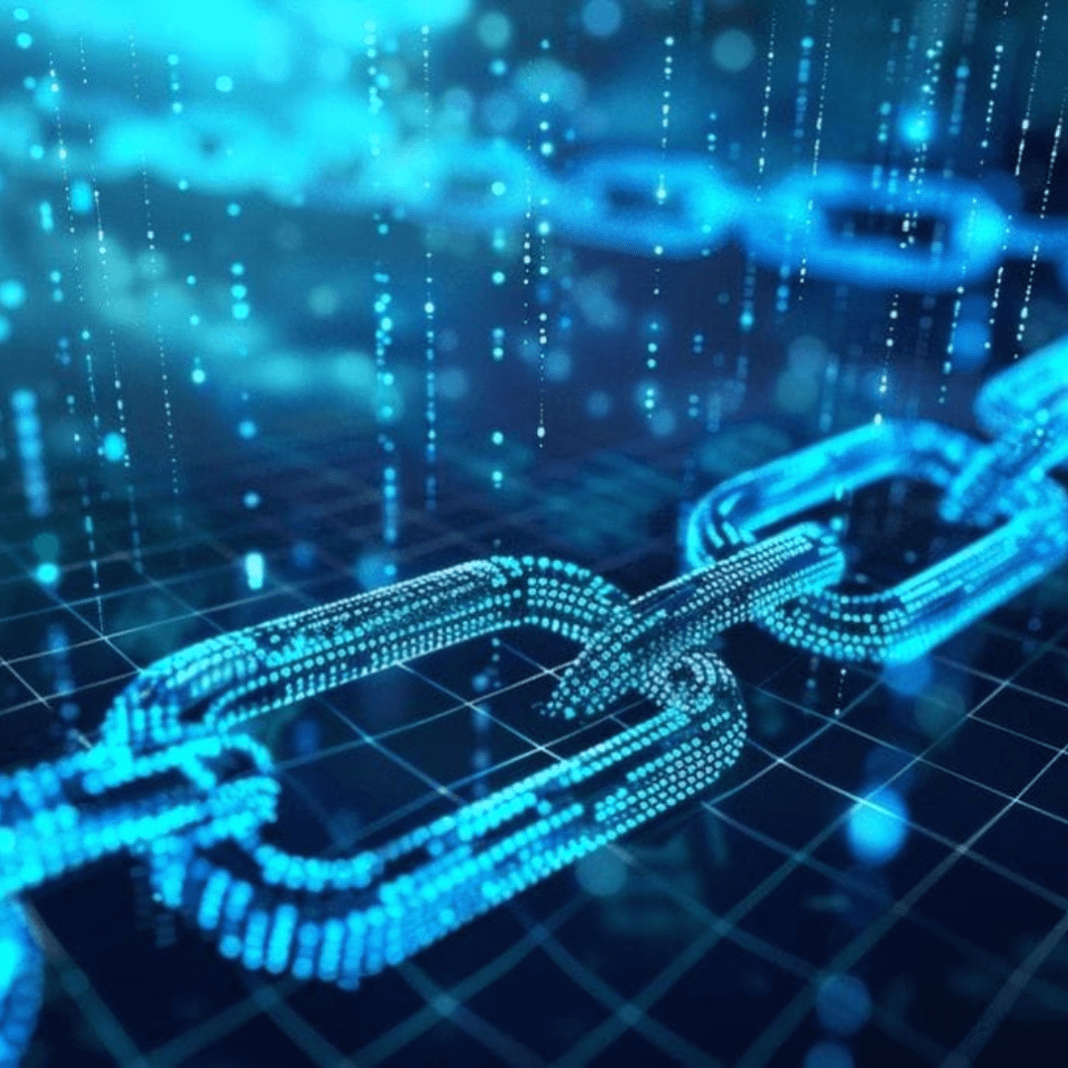
Hackers Drain $6.1 Million from WEMIX

In a shocking incident, hackers breached the popular blockchain gaming platform WEMIX last month, stealing 8,654,860 WEMIX tokens. At the time of the attack, these stolen tokens were worth approximately $6.1 million.

WEMIX, known for integrating blockchain technology into gaming with play-to-earn (P2E) models and NFT-based ownership, confirmed the breach during a press conference held by its CEO on March 18, 2025. The hack occurred on February 28, 2025, but the company chose to delay public disclosure.

According to the CEO, the delay was not an attempt to cover up the incident. Instead, the company wanted to protect its players and the platform from further damage. The firm feared that revealing the breach immediately could have invited more attacks or caused market panic, especially since the hackers had already started selling the stolen tokens, impacting the token’s value.

Cyberattack Catastrophe: How Hackers Can Endanger Human Lives ?

How the Hack Happened

The breach was traced back to NILE, an NFT platform associated with WEMIX. Hackers managed to steal authentication keys used for monitoring services. These keys gave them access to the platform’s internal systems.

While WEMIX has not yet identified how the hackers obtained the keys, they believe it may have happened through a shared repository. A developer had reportedly uploaded the keys there for convenience, making them vulnerable to theft.

How Cyber Attacks on Industrial Control Systems Can Endanger Lives ?

Once the attackers had the keys, they spent two months carefully planning their heist. During this time, they analyzed the system, identified weak points, and prepared for the theft. On the day of the attack, they attempted fifteen withdrawals, out of which thirteen were successful.

After stealing the WEMIX tokens, the hackers quickly moved them through cryptocurrency exchanges to launder the stolen funds. Laundering makes it difficult for authorities to trace or recover the tokens, as hackers mix them with other assets and transfer them across multiple wallets.

The Aftermath and Current Status

As soon as WEMIX detected the breach, they shut down the affected server to prevent further losses. The company immediately filed a criminal complaint with the Seoul Metropolitan Police Agency’s Cyber Investigation Unit. The National Office of Investigation is also actively investigating the incident.

To strengthen security and prevent future attacks, WEMIX is migrating all of its blockchain infrastructure to a new, more secure environment. During this process, the platform has been taken offline, disrupting all services. The company aims to fully restore operations by March 21, 2025.

Critical Vulnerabilities: The Dark Side of Pacemaker Technology

However, the damage to WEMIX’s reputation has already begun. The Digital Asset Exchange Alliance (DAXA), which regulates major cryptocurrency exchanges in South Korea, designated WEMIX as an “investment caution” asset. This label signals potential risk for investors. As a result, deposits of WEMIX tokens were suspended, further affecting the platform’s credibility.

WEMIX plans to appeal the designation, but the attack has already impacted the blockchain gaming industry. Millions were stolen, and the platform’s disruption highlights the vulnerabilities in the growing blockchain gaming sector.

Cyber Attacks on Connected Cars

Renuka Bangale
Renuka Bangale
Renuka is a distinguished Chartered Accountant and a Certified Digital Threats Analyst from Riskpro, renowned for her expertise in cybersecurity. With a deep understanding of cybercrimes, malware, cyber warfare, and espionage, she has established herself as an authority in the field. Renuka combines her financial acumen with advanced knowledge of digital threats to provide unparalleled insights into the evolving landscape of information security. Her analytical prowess enables her to dissect complex cyber incidents, offering clarity on risks and mitigation strategies. As a key contributor to Newsinterpretation’s information security category, Renuka delivers authoritative articles that educate and inform readers about emerging threats and best practices.

TOP 10 TRENDING ON NEWSINTERPRETATION

Cyber Attacks on Space Infrastructure: Satellites, GPS and the Ground Systems Behind Them

From the Viasat KA-SAT hack to GPS jamming over the Baltic, a research guide to how attackers target satellites, navigation signals and ground stations, and why it matters on Earth.

How AI Agents Are Used in Cyber Attacks: From Assisted Hacking to AI-Orchestrated Espionage

Attackers now use AI agents to scan networks, write exploits and run extortion campaigns. A research guide to documented cases, including the first reported AI-orchestrated espionage campaign, and what defenders should do.

Cyber Attacks on AI and LLMs: How Attackers Target Large Language Models

Prompt injection, data poisoning, model theft and jailbreaks: a research guide to how attackers target AI systems and large language models, with real cases and defences.

French Supermarket Refrigeration Cyberattack: How Hacking the Cold Chain Can Endanger Lives

In October 2026 attackers heated refrigeration cabinets in hundreds of French supermarkets to as much as 50°C. No one was hurt, but the attack shows how hacking the cold chain can endanger lives through fire, food poisoning and spoiled medicines.

Cyberattacks on Nuclear Facilities: Stuxnet, Kudankulam and the Limits of Air Gaps

Stuxnet, the Davis-Besse worm and malware at India’s Kudankulam plant: what they show about cyber risk at nuclear facilities and the limits of air gaps.

Triton: When Hackers Target the Safety Systems That Prevent Industrial Disasters

The 2017 Triton attack targeted the safety systems that prevent industrial disasters. What happened, who was charged, and how plants protect their last line of defence.

Cybersecurity Risks in Smart Cities: When Connected Infrastructure Fails

How connecting traffic control, emergency alerts and utilities concentrates cyber risk in cities, what the Dallas and Atlanta incidents showed, and what governments recommend.

Weaponized Drones: Hijacking, GPS Spoofing and Emerging Cyber Warfare Risks

How drones can be hijacked, jammed or misled by GPS spoofing, what researchers have demonstrated, and why governments treat drone fleets as a security risk.

Ransomware Attacks on Hospitals: How Healthcare Cyberattacks Put Patients at Risk

How ransomware against hospitals and their suppliers delays care and endangers patients, what the Düsseldorf and WannaCry cases show, and what research says about deaths.

Operational blunder exposes massive Russian cyber espionage attack on Ukrainian prosecutors

A major cyberattack has compromised the email accounts of...

Cyber Attacks on Space Infrastructure: Satellites, GPS and the Ground Systems Behind Them

From the Viasat KA-SAT hack to GPS jamming over the Baltic, a research guide to how attackers target satellites, navigation signals and ground stations, and why it matters on Earth.

French Supermarket Refrigeration Cyberattack: How Hacking the Cold Chain Can Endanger Lives

In October 2026 attackers heated refrigeration cabinets in hundreds of French supermarkets to as much as 50°C. No one was hurt, but the attack shows how hacking the cold chain can endanger lives through fire, food poisoning and spoiled medicines.

Cyberattacks on Nuclear Facilities: Stuxnet, Kudankulam and the Limits of Air Gaps

Stuxnet, the Davis-Besse worm and malware at India’s Kudankulam plant: what they show about cyber risk at nuclear facilities and the limits of air gaps.

Triton: When Hackers Target the Safety Systems That Prevent Industrial Disasters

The 2017 Triton attack targeted the safety systems that prevent industrial disasters. What happened, who was charged, and how plants protect their last line of defence.

Cybersecurity Risks in Smart Cities: When Connected Infrastructure Fails

How connecting traffic control, emergency alerts and utilities concentrates cyber risk in cities, what the Dallas and Atlanta incidents showed, and what governments recommend.

Ransomware Attacks on Hospitals: How Healthcare Cyberattacks Put Patients at Risk

How ransomware against hospitals and their suppliers delays care and endangers patients, what the Düsseldorf and WannaCry cases show, and what research says about deaths.

FBI warns of AVrecon malware targeting outdated routers linked to proxy based cybercrime

A serious cybersecurity warning has been issued regarding commonly...

Related Articles

Popular Categories
