

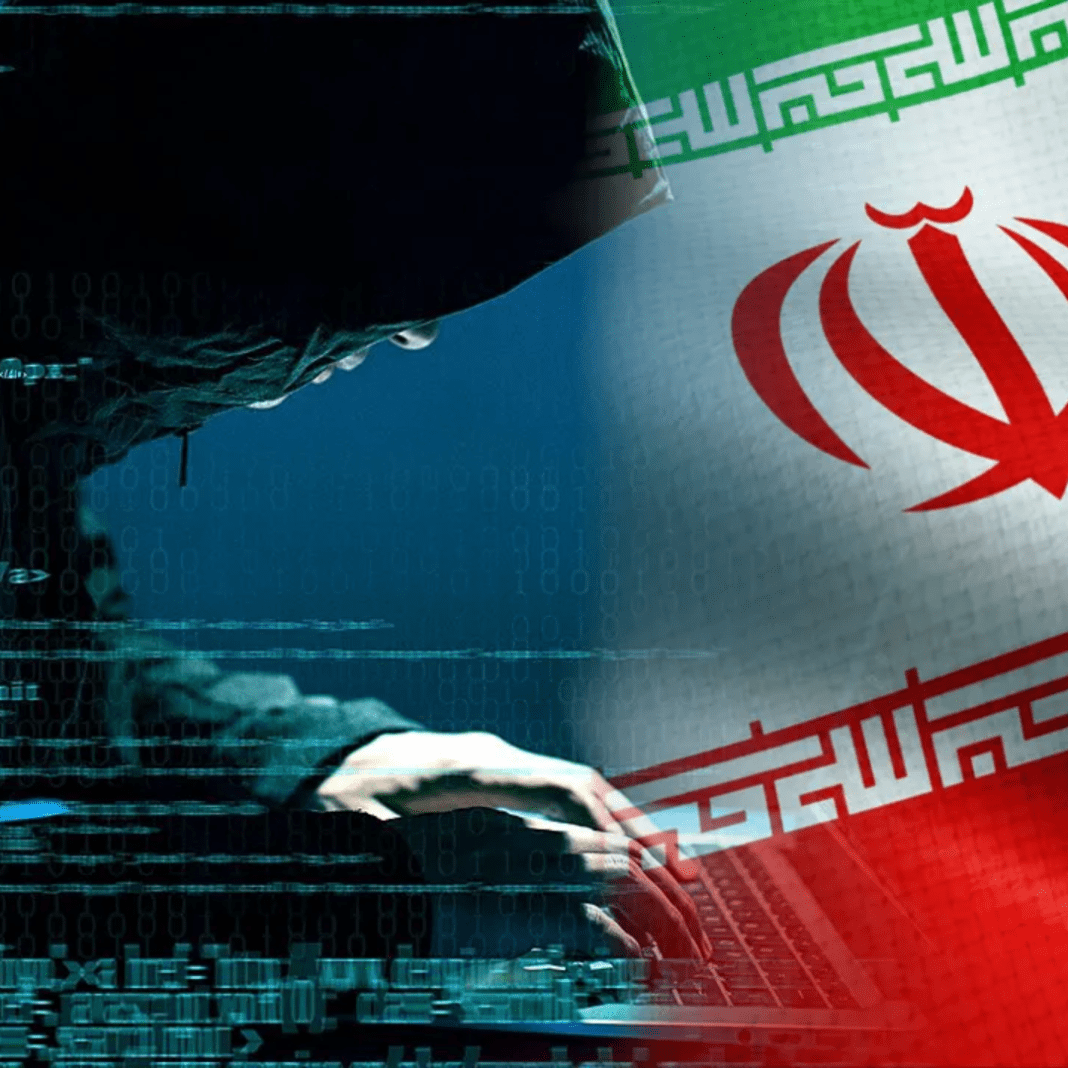
Iran’s CyberAv3ngers Target Infrastructure Worldwide

Who Are the CyberAv3ngers?

CyberAv3ngers is a powerful hacker group believed to be supported by the Iranian government. Even though they claim to be “hacktivists”—people who hack to support political causes—the truth is more serious. Experts say these hackers are not just trying to send a message. They are working with high-tech tools, getting government support, and targeting important systems that control water, gas, oil, and electricity around the world.

This group became more active and visible after the major conflict between Hamas and Israel that started in October 2023. Not long after, CyberAv3ngers began attacking equipment made by an Israeli company used in water plants and wastewater treatment systems. These machines are important for making sure water gets cleaned and delivered safely. The hackers didn’t just show messages or change images—they actually rewrote the programs that made the machines work. This caused real damage in some places, including a brewery and a water utility near Pittsburgh in the United States.

What makes them different from other hackers is that they don’t only go after websites or social media accounts. They go after the devices that control real-world things—like turning off clean water, messing with gas stations, and interrupting electricity.

What Have They Done?

CyberAv3ngers has claimed to attack many places and systems since late 2023. Some of these claims were real, and others were either exaggerated or untrue. For example, they said they shut down more than 200 gas stations in the U.S. and Israel. It turns out they mostly hacked into the cameras at some of those locations, not the fuel pumps themselves. They also claimed they caused blackouts in Israel’s electricity systems, which was not true according to cybersecurity experts.

However, they did manage to cause trouble in many real ways. One big example was when they broke into devices made by a company called Unitronics. These are often used in water and wastewater systems. The hackers changed the display screens to show their logo, along with a message saying, “You have been hacked,” and added symbols showing hatred toward Israel.

Critical Vulnerabilities: The Dark Side of Pacemaker Technology

These attacks didn’t just affect Israel. The same kinds of devices were used in other countries too, like the United States and Ireland. That’s why this group became a serious international threat.

CyberAv3ngers also hacked into the systems of an unnamed U.S. oil and gas company. They got in by breaking security tools that were supposed to protect the network. Once inside, they started learning more about how the industrial machines worked and searched online for more weak points in similar devices across the world.

How Dangerous Is Their Technology?

One of the scariest things CyberAv3ngers has done is create a special kind of computer virus. This malware, called IOControl, could sneak into different types of devices—like routers, cameras, and control systems—and hide there without being noticed. What made this malware more dangerous was that it used a tricky way to send signals using a method called MQTT. That’s a special system often used by Internet-of-Things (IOT) devices.

Once this malware was in place, it allowed the hackers to quietly stay inside machines across many countries, including the U.S., Europe, and Australia. Experts say this kind of attack is very serious because it’s not just about sending a message anymore. It’s about gaining control—and being ready to strike at any moment.

How Cyber Attacks on Industrial Control Systems Can Endanger Lives ?

In December 2023, American authorities, along with cybersecurity firms, took down the main server that was sending out orders to the IOControl malware. That stopped the virus for a while. But even though that server was shut down, the threat isn’t gone. Devices that were infected might still be at risk if the malware wasn’t removed.

This group is seen as part of a bigger cyber conflict between Iran and Israel. Other groups, like one known as Predatory Sparrow, have also launched attacks—this time against Iran. That group caused damage like setting a steel plant on fire and disabling thousands of gas stations in Iran. These back-and-forth cyberattacks show just how intense and global the digital battles have become.

Renuka Bangale
Renuka Bangale
Renuka is a distinguished Chartered Accountant and a Certified Digital Threats Analyst from Riskpro, renowned for her expertise in cybersecurity. With a deep understanding of cybercrimes, malware, cyber warfare, and espionage, she has established herself as an authority in the field. Renuka combines her financial acumen with advanced knowledge of digital threats to provide unparalleled insights into the evolving landscape of information security. Her analytical prowess enables her to dissect complex cyber incidents, offering clarity on risks and mitigation strategies. As a key contributor to Newsinterpretation’s information security category, Renuka delivers authoritative articles that educate and inform readers about emerging threats and best practices.

TOP 10 TRENDING ON NEWSINTERPRETATION

Cyber Attacks on Space Infrastructure: Satellites, GPS and the Ground Systems Behind Them

From the Viasat KA-SAT hack to GPS jamming over the Baltic, a research guide to how attackers target satellites, navigation signals and ground stations, and why it matters on Earth.

How AI Agents Are Used in Cyber Attacks: From Assisted Hacking to AI-Orchestrated Espionage

Attackers now use AI agents to scan networks, write exploits and run extortion campaigns. A research guide to documented cases, including the first reported AI-orchestrated espionage campaign, and what defenders should do.

Cyber Attacks on AI and LLMs: How Attackers Target Large Language Models

Prompt injection, data poisoning, model theft and jailbreaks: a research guide to how attackers target AI systems and large language models, with real cases and defences.

French Supermarket Refrigeration Cyberattack: How Hacking the Cold Chain Can Endanger Lives

In October 2026 attackers heated refrigeration cabinets in hundreds of French supermarkets to as much as 50°C. No one was hurt, but the attack shows how hacking the cold chain can endanger lives through fire, food poisoning and spoiled medicines.

Cyberattacks on Nuclear Facilities: Stuxnet, Kudankulam and the Limits of Air Gaps

Stuxnet, the Davis-Besse worm and malware at India’s Kudankulam plant: what they show about cyber risk at nuclear facilities and the limits of air gaps.

Triton: When Hackers Target the Safety Systems That Prevent Industrial Disasters

The 2017 Triton attack targeted the safety systems that prevent industrial disasters. What happened, who was charged, and how plants protect their last line of defence.

Cybersecurity Risks in Smart Cities: When Connected Infrastructure Fails

How connecting traffic control, emergency alerts and utilities concentrates cyber risk in cities, what the Dallas and Atlanta incidents showed, and what governments recommend.

Weaponized Drones: Hijacking, GPS Spoofing and Emerging Cyber Warfare Risks

How drones can be hijacked, jammed or misled by GPS spoofing, what researchers have demonstrated, and why governments treat drone fleets as a security risk.

Ransomware Attacks on Hospitals: How Healthcare Cyberattacks Put Patients at Risk

How ransomware against hospitals and their suppliers delays care and endangers patients, what the Düsseldorf and WannaCry cases show, and what research says about deaths.

Operational blunder exposes massive Russian cyber espionage attack on Ukrainian prosecutors

A major cyberattack has compromised the email accounts of...

Cyber Attacks on Space Infrastructure: Satellites, GPS and the Ground Systems Behind Them

From the Viasat KA-SAT hack to GPS jamming over the Baltic, a research guide to how attackers target satellites, navigation signals and ground stations, and why it matters on Earth.

French Supermarket Refrigeration Cyberattack: How Hacking the Cold Chain Can Endanger Lives

In October 2026 attackers heated refrigeration cabinets in hundreds of French supermarkets to as much as 50°C. No one was hurt, but the attack shows how hacking the cold chain can endanger lives through fire, food poisoning and spoiled medicines.

Cyberattacks on Nuclear Facilities: Stuxnet, Kudankulam and the Limits of Air Gaps

Stuxnet, the Davis-Besse worm and malware at India’s Kudankulam plant: what they show about cyber risk at nuclear facilities and the limits of air gaps.

Triton: When Hackers Target the Safety Systems That Prevent Industrial Disasters

The 2017 Triton attack targeted the safety systems that prevent industrial disasters. What happened, who was charged, and how plants protect their last line of defence.

Cybersecurity Risks in Smart Cities: When Connected Infrastructure Fails

How connecting traffic control, emergency alerts and utilities concentrates cyber risk in cities, what the Dallas and Atlanta incidents showed, and what governments recommend.

Ransomware Attacks on Hospitals: How Healthcare Cyberattacks Put Patients at Risk

How ransomware against hospitals and their suppliers delays care and endangers patients, what the Düsseldorf and WannaCry cases show, and what research says about deaths.

FBI warns of AVrecon malware targeting outdated routers linked to proxy based cybercrime

A serious cybersecurity warning has been issued regarding commonly...

Related Articles

Popular Categories
