

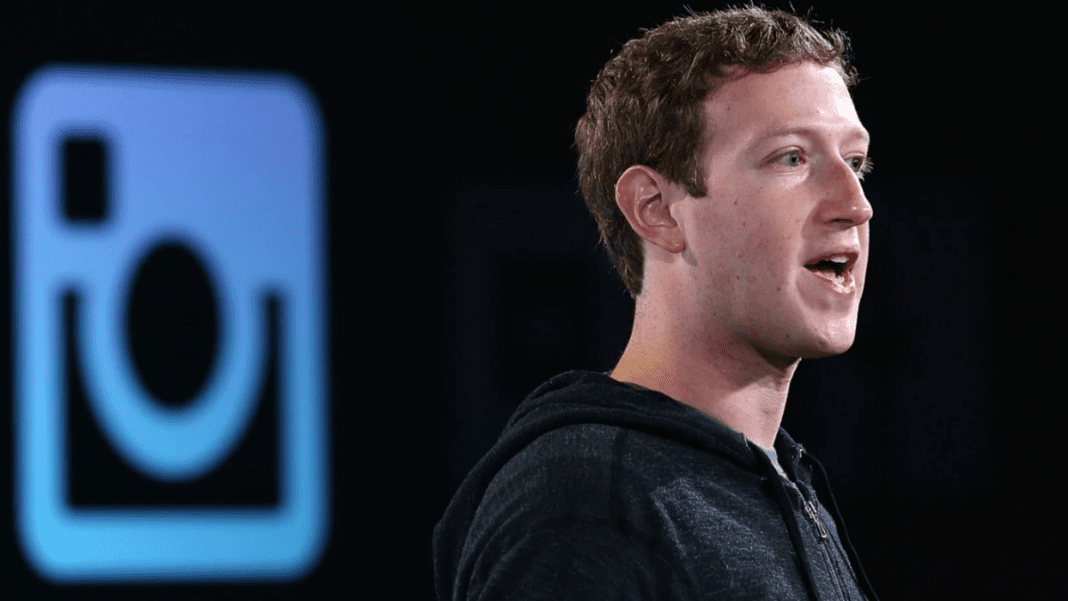

Mark Zuckerberg testified in a closely watched trial in the Los Angeles Superior Court that has put teen social media safety under intense examination. The case was filed in 2023 by a 17-year-old girl and her mother. They argue that certain features on social media platforms were designed in ways that encouraged excessive use and harmed her mental health.
At the center of the lawsuit are tools such as infinite scrolling, which allows users to keep viewing content without stopping. The plaintiff claims this feature made it difficult for her to log off and contributed to emotional distress.
The trial has drawn attention because it questions how major technology companies design their products for young users. Observers have described the case as a defining moment for the industry, similar to past legal battles faced by other sectors over public health concerns.
Mark Zuckerberg’s Testimony and Email Exchange With Tim Cook
During testimony, Mark Zuckerberg, chief executive of Meta Platforms Inc., revealed that he had communicated with Tim Cook, chief executive of Apple Inc., about improving safety for young users.
An email exchange from February 2018 was presented in court by defense attorney Paul Schmidt. According to the testimony, Zuckerberg expressed interest in exploring possible safety measures that both companies could adopt. The communication was introduced to show that Meta had considered teen social media safety issues years before the current lawsuit.
Epstein documents reignite storm as Musk and Zuckerberg appear in private dinner photo
The defense argued that reaching out to a competing company demonstrated proactive thinking about protecting young users. The court is presided over by Judge Carolyn B. Kuhl, who is overseeing the arguments and evidence presented by both sides.
Another key topic was the use of beauty filters on Instagram, which is owned by Meta. Experts have raised concerns that certain cosmetic filters may negatively affect teenagers’ self-esteem, especially among girls.
Zuckerberg testified that Meta reviewed studies and expert opinions about these filters. He stated that the company briefly restricted some cosmetic surgery filters but later allowed them again, citing the importance of free expression. Zuckerberg added that while the filters were permitted, they were not actively promoted.
The issue highlights the ongoing tension between user safety and freedom of expression on social media platforms.
Courtroom Warnings and Growing Global Scrutiny
The courtroom proceedings also included a warning about the use of smart glasses. Judge Carolyn B. Kuhl cautioned that anyone recording testimony with AI-powered glasses would face consequences. The warning followed reports that members of Zuckerberg’s team were wearing Meta’s Ray-Ban AI glasses during the hearing, despite strict rules against recording.
The trial also touched on the broader debate over whether heavy social media use qualifies as addiction. Adam Mosseri, head of Instagram, previously acknowledged that some users may experience problematic usage. However, he stated that the term “addiction” is often used casually and does not always reflect a clinical diagnosis.
Bernie Sanders warns AI push by Musk Zuckerberg and Altman focuses on wealth not public benefit
Beyond the United States, teen social media safety has become a global concern. Governments in countries such as France, the United Kingdom, Malaysia, South Korea, and the Czech Republic are considering age-based restrictions on social media access.
In December, Australia became the first country to ban children under 16 from major social media platforms. The move required companies to block millions of young users, with lawmakers citing mental health concerns as a key reason.
Meta wins historic antitrust battle — Instagram and WhatsApp safe from breakup
As the Los Angeles trial continues, the focus remains on how social media platforms are designed and whether their features contribute to harmful patterns of use among teenagers. Testimony from Mark Zuckerberg, the email exchange with Tim Cook, arguments presented by Paul Schmidt, and earlier statements by Adam Mosseri have all become part of the court record.
The proceedings are adding to an expanding global conversation about how technology companies balance innovation, user engagement, and the responsibility to safeguard young people online.