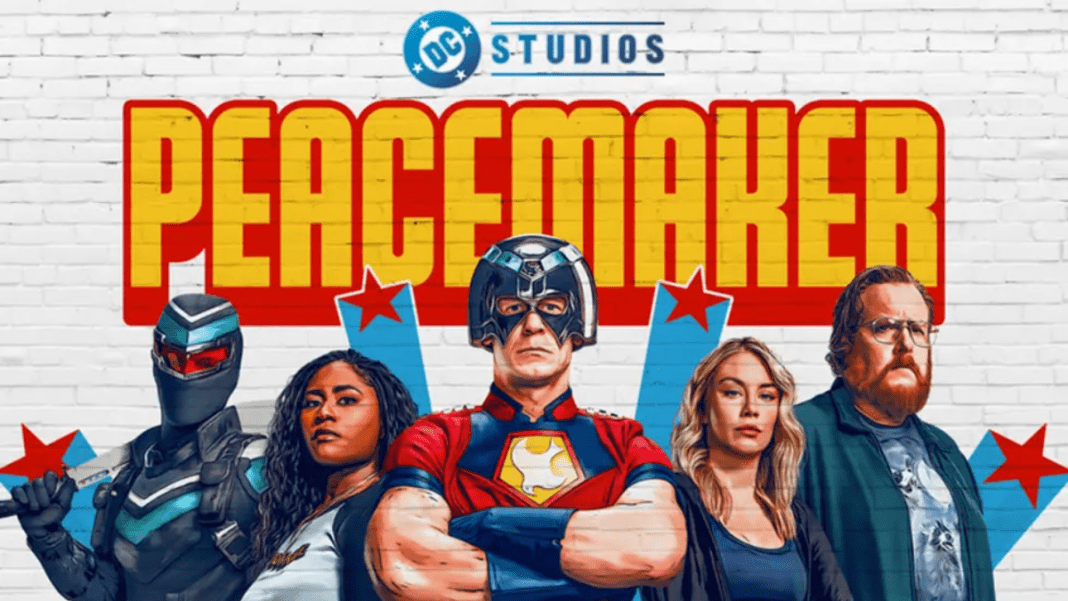

The premiere of Peacemaker Season 2 has left fans stunned. One of the biggest surprises was the sudden reappearance of Keith Smith, the long-dead brother of Chris Smith, also known as Peacemaker. Viewers who followed the first season remember the heartbreaking flashbacks where Chris accidentally caused Keith’s death during a brutal fight forced by their father. Now, Keith has returned, but not in the way anyone expected. His reintroduction changes everything about Peacemaker’s past and hints at bigger twists in the new DC storyline.
Who Is Keith in Peacemaker Season 2?
In Season 2, Keith Smith is portrayed as an adult version of Peacemaker’s brother. He is played by David Denman, marking the first time fans see the character alive and grown-up. Unlike the tragic boyhood memory from Season 1, this version of Keith is strong, confident, and very much alive.
Keith’s story in Season 1 was short and tragic. When they were children, their father Auggie forced Chris and Keith to fight in a makeshift ring. The fight turned deadly, with Chris unintentionally killing his brother. That painful moment haunted Chris throughout the series and shaped much of his violent, guilt-ridden personality. It also became a defining factor in his strained relationship with his father.
But in the Season 2 premiere, viewers are shown a very different outcome. Through a mysterious piece of technology called the Quantum Unfolding Chamber, Chris steps into an alternate world. In this world, Keith survived. Not only that, but he has grown into a superhero figure who works side by side with their father Auggie and even Chris himself. The three are seen as part of a group called the “Top Trio,” a team of heroes respected in this alternate universe.
This makes Keith not just a tragic figure from the past but a full-fledged character with a new role in the story.
Which DC Hero Is Keith?
Fans of DC Comics may have wondered if Keith was meant to represent an existing hero from the comics. However, Keith is not based on any pre-existing superhero from DC’s history. He is an original creation made specifically for the Peacemaker series.
In the comics, Chris Smith is mostly haunted by the ghost of his father, not a brother. The show took that creative liberty and replaced the father-son haunting with the tragic sibling storyline in Season 1. Now, Season 2 has expanded on this idea by introducing Keith in a brand-new light.
Why Guardians of the Galaxy Is Marvel’s Most Fun and Unexpected Superhero Film
When Chris meets him in the alternate universe, Keith is dressed in full superhero attire. His costume carries the traditional comic book style of bold colors, a cape-like design, and an emblematic chest piece. It feels familiar to fans of DC’s classic heroes, but it is not tied to any specific character from the comic books. Instead, Keith stands as a symbolic representation of what could have been if tragedy had not struck the Smith family.
By placing Keith alongside Chris and Auggie as part of the Top Trio, the show highlights the contrast between Chris’s painful reality and the idealized family life that exists in another dimension. Keith is not just alive—he is thriving, heroic, and admired. That makes his reappearance both powerful and emotional for Chris, who has carried the burden of guilt for so long.
How Is Keith Alive in Peacemaker Season 2?
Keith’s return is not the result of magic or resurrection but rather advanced science fiction. His survival comes from the Quantum Unfolding Chamber, a strange device introduced in the premiere episode. The chamber is said to contain 99 doors, each leading to a different dimension where events unfolded differently.
Marvel Studio’s Sudden Exit Leaves Georgia’s Film Industry Struggling
When Chris steps into one of these doors, he is transported into a universe where both his brother Keith and his father Auggie survived. This dimension diverged from the original timeline at the moment of the childhood fight. Instead of Keith dying, he lived on and eventually became a superhero. Auggie, rather than being the abusive and hateful figure from Chris’s past, also survived and took on a heroic role. Together with Chris, they form the Top Trio.
A different world gives Chris the brother he lost
In this world, Chris gets to experience something he never had in his original timeline: a warm and loving reunion with his brother. Keith greets him not with resentment or anger but with open arms and kindness. It is a striking moment, showing a version of Keith who embodies everything Chris lost when he was young.
Keith’s existence in this alternate dimension confirms that the multiverse is now a major part of the Peacemaker storyline. His presence is not a ghostly hallucination or a resurrection from the dead but simply the natural result of dimensional variance. It shows how different choices and events created a completely new reality.
For Chris, this encounter is bittersweet. He sees what life might have been like if tragedy had not struck, but he also knows that this world is not his. Still, the meeting with Keith gives depth to the story and adds a new emotional layer to Peacemaker’s character.