


Senator Bernie Sanders has reignited a national debate over money, power, and democracy in the United States after a billionaire’s massive political donation came to light. The controversy centers on Elon Musk, one of the world’s richest individuals, and his decision to pour $10 million into a U.S. Senate race. The donation has triggered strong reactions from elected officials, watchdogs, and ordinary citizens who worry about how much influence wealthy individuals have over democratic elections.
The issue gained national attention after a detailed report highlighted the size and impact of the donation. Soon after, Sanders and other prominent political voices began questioning whether a system that allows such large contributions can truly represent the will of the people.
A $10 Million Donation That Sparked National Attention
According to a report by Axios, Elon Musk recently donated $10 million to support Nate Morris, a Republican candidate aligned with the MAGA movement. Morris is running to replace retiring U.S. Senator Mitch McConnell, making the race one of the most closely watched contests in the country.
Bernie Sanders questions AI push by tech billionaires citing jobs and community impact
The donation is the largest Elon Musk has ever made to a Senate candidate. Political analysts described it as a major signal that Musk plans to spend heavily during the upcoming election cycle. Senate races are already known for being expensive, with millions spent on advertising, outreach, and campaign operations. When a single donor contributes $10 million at once, it can dramatically shift the balance of a campaign.
Many Americans reacted with concern, asking whether average voters can truly compete with billionaires when it comes to political influence. While every citizen gets one vote, wealthy donors can amplify their voices through massive financial contributions. This gap has become a growing point of frustration for voters who feel left behind by the political system.
Bernie Sanders and Others Speak Out
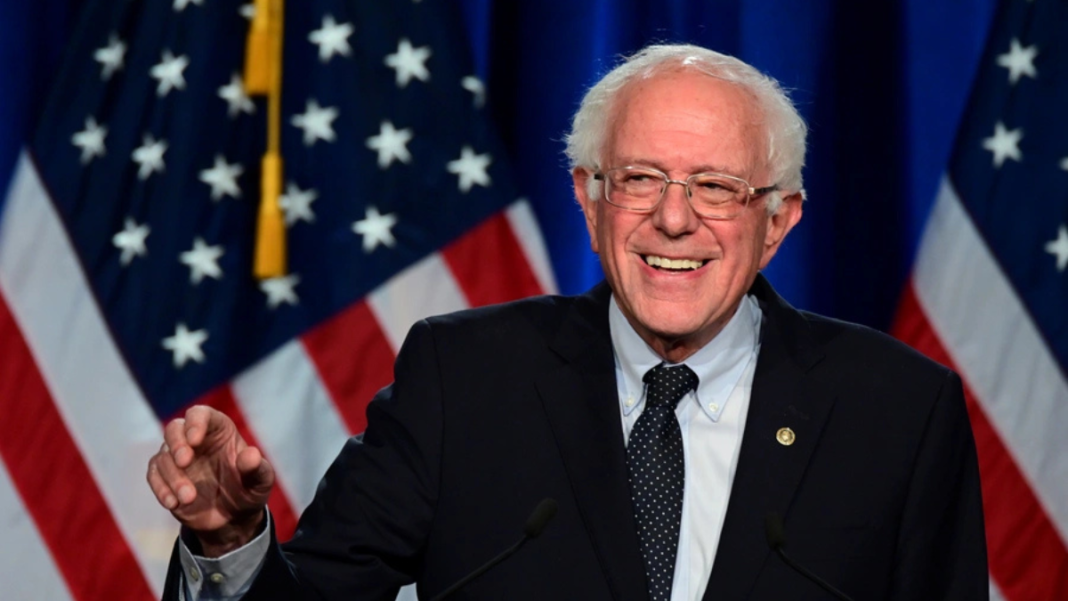
One of the strongest responses came from Senator Bernie Sanders. “Are we really living in a democracy when the richest man on earth can spend as much as he wants to elect his candidates?” Sanders posed in a public statement. His words echoed long-standing concerns about the role of money in American politics.
Ryanair CEO calls Elon Musk a ‘very wealthy idiot’ as airline rejects Starlink Wi-Fi
Sanders pointed to the Supreme Court’s 2010 decision in Citizens United, which allows unlimited spending in elections by corporations and wealthy individuals through independent political groups. He argued that this ruling has weakened democracy by giving billionaires outsized power. According to Sanders, elections should be publicly funded so that all candidates compete on a more equal playing field. He also stressed that “billionaires can’t be allowed to buy elections.”
Criticism did not come from Sanders alone. Matt Dunlap, the Democratic Maine State Auditor and a candidate running to represent Maine’s second congressional district, also condemned Musk’s actions. Dunlap said that billionaires use their wealth to buy elections, shape tax policies, and undermine democratic values. He emphasized that working people deserve a government that represents their needs, not the interests of the ultra-wealthy.
These reactions reflect a broader concern among many political leaders that the current campaign finance system favors the rich and powerful over ordinary citizens.
Musk’s Political Spending History and Past Outcomes
Elon Musk is not new to political spending. In the 2024 election cycle, he reportedly spent more than $250 million supporting Republican candidates. A significant portion of that spending helped boost Donald Trump’s successful presidential campaign. This made Musk one of the most influential private political donors in recent U.S. history.
However, large donations do not always guarantee victory. In another high-profile case, Musk spent millions to support Brad Schimel, a former Wisconsin Attorney General running for a seat on the Wisconsin Supreme Court. Despite the heavy financial backing, Schimel lost the race by a margin of 10 points. The result showed that while money can increase visibility and advertising reach, it does not always decide the final outcome.
US Treasury reports millions flowing out of Iran as ruling elite brace for collapse
Still, critics argue that even when billionaire-backed candidates lose, the damage is already done. Massive spending can dominate media coverage, drown out smaller voices, and discourage candidates without wealthy backers from even entering races. This, they say, limits real choice for voters.
The $10 million donation to Nate Morris has once again placed campaign finance at the center of public discussion. As Americans watch the Senate race unfold, the focus remains on whether democracy can function fairly when a small number of extremely wealthy individuals can spend more money than millions of voters combined.