

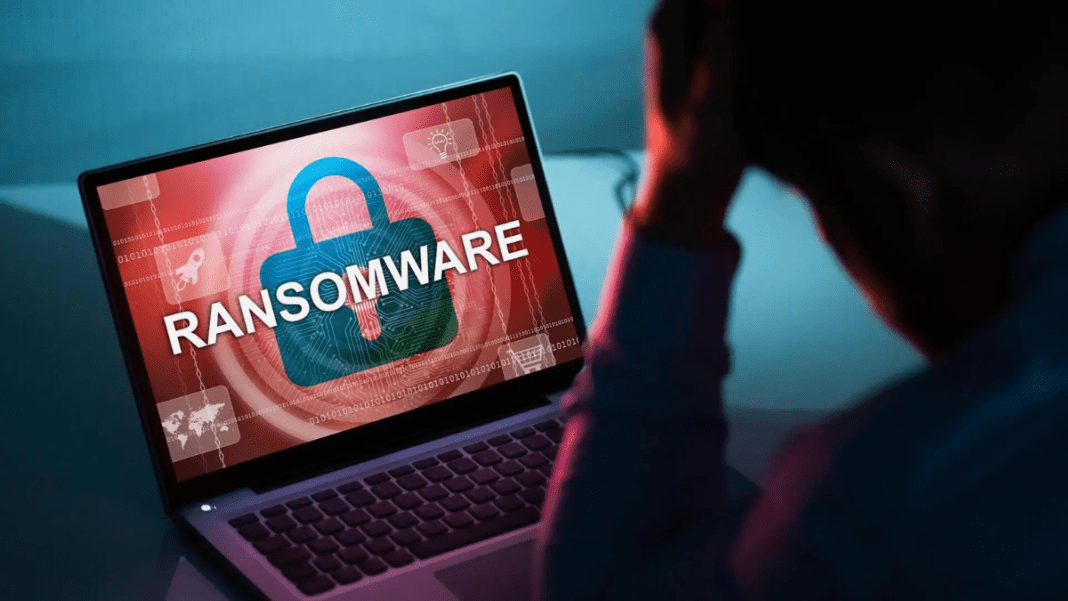
Sarcoma Ransomware Attack Exposes 1.3TB of Swiss Govt. Files

What Happened in Switzerland?

A large cyberattack has hit Switzerland. A group of hackers targeted a non-profit organization called Radix, which works closely with the Swiss government. This group, called Sarcoma, is known for breaking into computer systems and demanding money through ransomware attacks.

On June 16, Sarcoma broke into Radix’s systems and stole a huge amount of data—1.3 terabytes, which is over a million megabytes. That’s like stealing thousands of books full of private information. The stolen data has now appeared online, meaning anyone with the right tools can look at it on the dark web, a hidden part of the internet where illegal activities often happen.

Radix helps many parts of the Swiss government with their projects. This means that even though the hackers attacked only one organization, the effect is much bigger. The Swiss government has confirmed that the hackers might have accessed information from several federal offices—these are parts of the government that handle important jobs like finance, defense, and lawmaking.

Now, the government and the National Cyber Security Centre (NCSC) are jointly investigating what exactly the hackers stole, which offices they affected, and how serious the damage is.

What Was Leaked?

The Sarcoma hackers didn’t just steal the data—they also published it online. This means private files, like financial records, contracts, and email conversations, are now out in the open. This is a big problem because the information might include sensitive or personal details about the government and possibly even private citizens.

Radix has sent out warnings to people who might be affected. The company says that, for now, it doesn’t look like partner organizations’ most sensitive data was exposed. But it’s hard to know for sure until experts carefully check all the stolen files.

Digital Revenge? Hackers Linked to Iran Say They Have Trump Campaign Emails

This attack is very serious because it’s not the first time it has happened in Switzerland this year. Just a few months ago, in March, hackers breached another company called Xplain, which worked with the government. They also leaked tens of thousands of documents online, including personal information like names, addresses, and government records.

These repeated attacks show that even a country known for strong security like Switzerland can become a target for cybercriminals. The government is now asking all agencies and contractors to stay extra alert and take steps to protect their digital systems.

Who Are the Sarcoma Hackers?

The hackers behind this attack go by the name Sarcoma. They are a relatively new group, believed to have started their operations in late 2024. But even though they are new, they have quickly become known for being aggressive and dangerous.

Sarcoma often uses tricks like phishing emails—fake messages that look real but contain harmful links. They also exploit outdated software that organizations haven’t updated and target weak spots in supply chains by breaking into smaller companies that work with bigger ones.

“Gemini AI Is Watching—Even When You Say No”: Google Update Sparks Privacy Panic

Once they break in, they steal valuable information and then demand money from the victim. If the victim doesn’t pay, the hackers go ahead and leak the stolen data online, which is exactly what happened in the case of Radix.

Authorities have not revealed whether the hackers demanded or received any ransom. But the hackers published the data online, suggesting that either no one paid them or they chose to release the information anyway.

As more information becomes available, experts will continue to check the damage. For now, many are worried that the information now floating around the dark web could be used in harmful ways.
Renuka Bangale
Renuka Bangale
Renuka is a distinguished Chartered Accountant and a Certified Digital Threats Analyst from Riskpro, renowned for her expertise in cybersecurity. With a deep understanding of cybercrimes, malware, cyber warfare, and espionage, she has established herself as an authority in the field. Renuka combines her financial acumen with advanced knowledge of digital threats to provide unparalleled insights into the evolving landscape of information security. Her analytical prowess enables her to dissect complex cyber incidents, offering clarity on risks and mitigation strategies. As a key contributor to Newsinterpretation’s information security category, Renuka delivers authoritative articles that educate and inform readers about emerging threats and best practices.

TOP 10 TRENDING ON NEWSINTERPRETATION

Cyber Attacks on Space Infrastructure: Satellites, GPS and the Ground Systems Behind Them

From the Viasat KA-SAT hack to GPS jamming over the Baltic, a research guide to how attackers target satellites, navigation signals and ground stations, and why it matters on Earth.

How AI Agents Are Used in Cyber Attacks: From Assisted Hacking to AI-Orchestrated Espionage

Attackers now use AI agents to scan networks, write exploits and run extortion campaigns. A research guide to documented cases, including the first reported AI-orchestrated espionage campaign, and what defenders should do.

Cyber Attacks on AI and LLMs: How Attackers Target Large Language Models

Prompt injection, data poisoning, model theft and jailbreaks: a research guide to how attackers target AI systems and large language models, with real cases and defences.

French Supermarket Refrigeration Cyberattack: How Hacking the Cold Chain Can Endanger Lives

In October 2026 attackers heated refrigeration cabinets in hundreds of French supermarkets to as much as 50°C. No one was hurt, but the attack shows how hacking the cold chain can endanger lives through fire, food poisoning and spoiled medicines.

Cyberattacks on Nuclear Facilities: Stuxnet, Kudankulam and the Limits of Air Gaps

Stuxnet, the Davis-Besse worm and malware at India’s Kudankulam plant: what they show about cyber risk at nuclear facilities and the limits of air gaps.

Triton: When Hackers Target the Safety Systems That Prevent Industrial Disasters

The 2017 Triton attack targeted the safety systems that prevent industrial disasters. What happened, who was charged, and how plants protect their last line of defence.

Cybersecurity Risks in Smart Cities: When Connected Infrastructure Fails

How connecting traffic control, emergency alerts and utilities concentrates cyber risk in cities, what the Dallas and Atlanta incidents showed, and what governments recommend.

Weaponized Drones: Hijacking, GPS Spoofing and Emerging Cyber Warfare Risks

How drones can be hijacked, jammed or misled by GPS spoofing, what researchers have demonstrated, and why governments treat drone fleets as a security risk.

Ransomware Attacks on Hospitals: How Healthcare Cyberattacks Put Patients at Risk

How ransomware against hospitals and their suppliers delays care and endangers patients, what the Düsseldorf and WannaCry cases show, and what research says about deaths.

Operational blunder exposes massive Russian cyber espionage attack on Ukrainian prosecutors

A major cyberattack has compromised the email accounts of...

Cyber Attacks on Space Infrastructure: Satellites, GPS and the Ground Systems Behind Them

From the Viasat KA-SAT hack to GPS jamming over the Baltic, a research guide to how attackers target satellites, navigation signals and ground stations, and why it matters on Earth.

French Supermarket Refrigeration Cyberattack: How Hacking the Cold Chain Can Endanger Lives

In October 2026 attackers heated refrigeration cabinets in hundreds of French supermarkets to as much as 50°C. No one was hurt, but the attack shows how hacking the cold chain can endanger lives through fire, food poisoning and spoiled medicines.

Cyberattacks on Nuclear Facilities: Stuxnet, Kudankulam and the Limits of Air Gaps

Stuxnet, the Davis-Besse worm and malware at India’s Kudankulam plant: what they show about cyber risk at nuclear facilities and the limits of air gaps.

Triton: When Hackers Target the Safety Systems That Prevent Industrial Disasters

The 2017 Triton attack targeted the safety systems that prevent industrial disasters. What happened, who was charged, and how plants protect their last line of defence.

Cybersecurity Risks in Smart Cities: When Connected Infrastructure Fails

How connecting traffic control, emergency alerts and utilities concentrates cyber risk in cities, what the Dallas and Atlanta incidents showed, and what governments recommend.

Ransomware Attacks on Hospitals: How Healthcare Cyberattacks Put Patients at Risk

How ransomware against hospitals and their suppliers delays care and endangers patients, what the Düsseldorf and WannaCry cases show, and what research says about deaths.

FBI warns of AVrecon malware targeting outdated routers linked to proxy based cybercrime

A serious cybersecurity warning has been issued regarding commonly...

Related Articles

Popular Categories