

A detailed report has revealed how a covert cyber operation allegedly gave Israeli intelligence deep access to Tehran’s traffic camera network for years. The surveillance effort reportedly focused on monitoring the movements of Iran’s most powerful leader, turning everyday city cameras into tools of high-level intelligence gathering.
According to the report, the operation formed part of a long-running intelligence campaign that eventually led to a dramatic air strike inside the Iranian capital. The combination of cyber infiltration, communication disruption, and precision military action has drawn global attention for its scale and coordination.
Secret Surveillance Through Tehran’s Traffic Cameras
The report states that Israeli intelligence gained access to nearly all of Tehran’s traffic surveillance system. These cameras are placed across highways, major intersections, and near sensitive government buildings to monitor traffic flow and road safety.
However, the system was allegedly used for far more than traffic control. Intelligence teams reportedly studied years of recorded footage to understand movement patterns across the city.
Iran TV Live sports feed abruptly cut as alleged hack airs Trump and Netanyahu
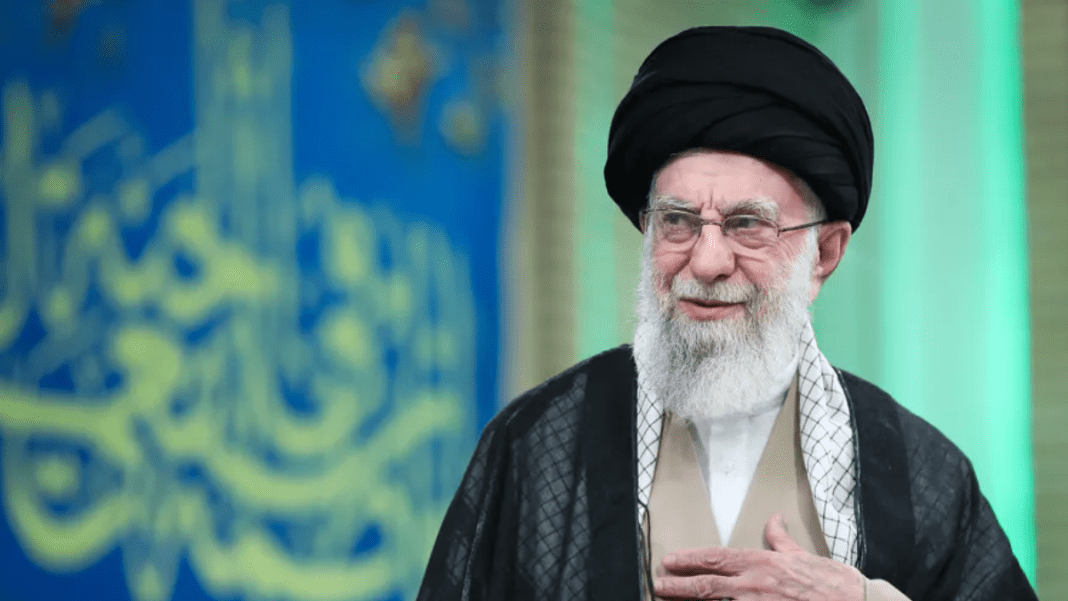
The primary focus was Iran’s Supreme Leader, Ayatollah Ali Khamenei. By analyzing the video feeds, operatives were able to track the daily routines of his security team. This included where bodyguards parked their vehicles, how they rotated shifts, and even where some of them lived.
The cameras also reportedly revealed when the Supreme Leader was most likely present at his residence on Pasteur Street in central Tehran. Over time, this constant monitoring allowed intelligence planners to build a detailed picture of the compound’s security structure.
An intelligence source was quoted as saying that operatives became extremely familiar with Tehran’s streets and surroundings, enabling them to quickly detect anything unusual.
Cyber Disruption and Communication Blackout
The operation reportedly extended beyond camera surveillance. Mobile phone networks around the compound were also targeted, according to the report.
By disrupting mobile communication, security personnel may have struggled to coordinate during critical moments. Limiting communication could slow response times and create confusion during an emergency situation.
The intelligence campaign also used social network analysis. This method studies how individuals interact, how often they meet, and how information flows between them. By mapping relationships among senior officials and security staff, planners reportedly gained further insight into daily routines and private meetings.
US and Israel deploy AI and low cost Lucas drones in Iran strike as cyberattacks disrupt defenses
On the morning of the attack, hacked camera systems and compromised communications were reportedly used to confirm that an in-person meeting was taking place at the compound. This verification ensured that the intended target was present before military action began.
Israeli Prime Minister Benjamin Netanyahu had previously defended strong military action against Iran, stating that developments in ballistic missile and atomic programs posed serious risks.
The use of cyber tools in combination with physical surveillance highlights how modern intelligence operations rely heavily on digital systems embedded in everyday infrastructure.
Operation Epic Fury and the Air Strike
The intelligence efforts reportedly culminated in a military strike under a joint offensive known as Operation Epic Fury.
Israeli fighter jets are said to have flown directly from military bases and launched up to 30 precision-guided munitions at the compound during daylight hours. The strike was described as highly coordinated and carefully timed.
After the bombing, reports state that the body of Ayatollah Ali Khamenei was recovered from the rubble. Members of his inner circle were also reportedly present during the gathering.
The broader offensive involved coordination between Israeli and US forces. During a public ceremony in the United States, Donald Trump confirmed that the Iranian leader had been eliminated during the strike. He also described the operation as progressing ahead of schedule.
The report outlines how years of cyber espionage, traffic camera monitoring, and communication interference combined to shape one of the most dramatic intelligence-driven military strikes in recent history. The events demonstrate how digital surveillance systems and precision military power can intersect in modern conflict.