

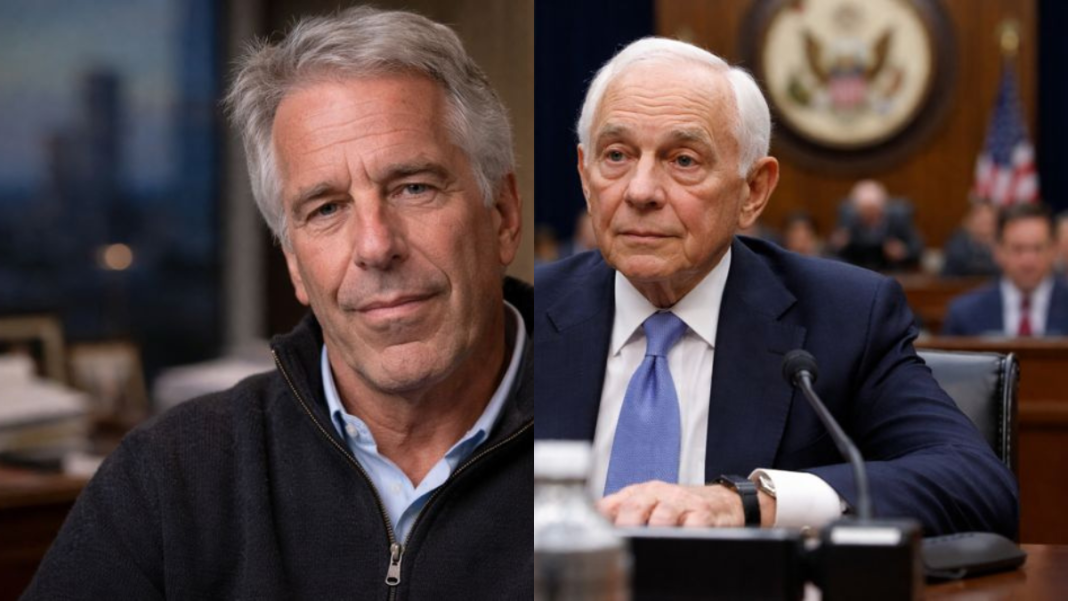

This week in Washington, an important decision by the U.S. House Oversight Committee brought a familiar name back into the public spotlight. Lawmakers voted to issue subpoenas connected to the long-running investigation involving Epstein. Among those now being asked to testify is billionaire businessman Leslie Wexner, widely known as the founder and former leader of L Brands, the company behind Victoria’s Secret.
The committee’s move means Wexner will be expected to appear for a formal deposition and answer questions about his past business relationship with Epstein. According to lawmakers, the goal is straightforward: to understand how they was able to build such a powerful network and how financial relationships allowed that system to operate for so many years.
Representative Robert Garcia, a Democrat on the committee, shared news of the vote and explained that subpoenas were also approved for the executors of the estate. He publicly thanked Republican Representative Anna Paulina Luna for working across party lines, showing that both sides agree on the need for answers.
Childcare Funding Dispute Deepens as Trump Attacks Walz and Omar After Minnesota Freeze
With Republicans holding only a slim majority in the House, the bipartisan support behind this action stands out. At the heart of the investigation is a huge collection of records connected to Epstein, which continues to raise new questions as more information comes to light.
What Wexner’s Role Was and Why It Matters Now
Wexner’s past connection has been discussed for years. At one point, Epstein managed Wexner’s personal money and also oversaw his charitable foundation. Their business relationship ended long before Epstein died in 2019, but the extent of their financial ties has remained a subject of public interest.
It is important to note that Wexner has not been accused of any crime. Still, members of Congress believe his testimony could help explain how it gained access to enormous wealth and influence and whether any warning signs were overlooked.
The Wexner Foundation did not immediately comment on the committee’s decision. At the same time, the Justice Department revealed that more than 5.2 million pages of investigative documents connected and are still being reviewed. The sheer size of this collection shows just how complicated and wide-reaching the investigation remains.
People across the country are responding in their own ways. Many people feel hopeful, saying this step finally brings real accountability and the kind of openness they have been waiting for. Others remain cautious, believing that important questions about Epstein are still unanswered.
Why the Pressure to Release Information Is Growing
The renewed push for transparency comes after strong public and political pressure related to the case. In response, the Trump administration directed the Justice Department to begin releasing more documents under a transparency law passed by Congress.
Although former President Donald Trump had previously worked to keep some records sealed, his administration later allowed broader disclosure. Trump has stated that he cut ties with Epstein many years before his death in jail.
Officials say the release of these records is not about political arguments but about rebuilding public trust. The network connected to Epstein reached into many powerful areas of society, and people want to understand how it was able to continue for so long without being stopped.
Trump says Epstein letter is fake, White House supports forensic handwriting test
Members of the Oversight Committee believe each new set of documents helps paint a clearer picture of how the financial and social systems and it actually worked. With millions of pages still under review, investigators continue their careful work, trying to balance transparency with the need to protect privacy.
This latest congressional action keeps attention firmly on the unresolved questions surrounding Epstein, the finances involved, and the individuals who were once connected.