

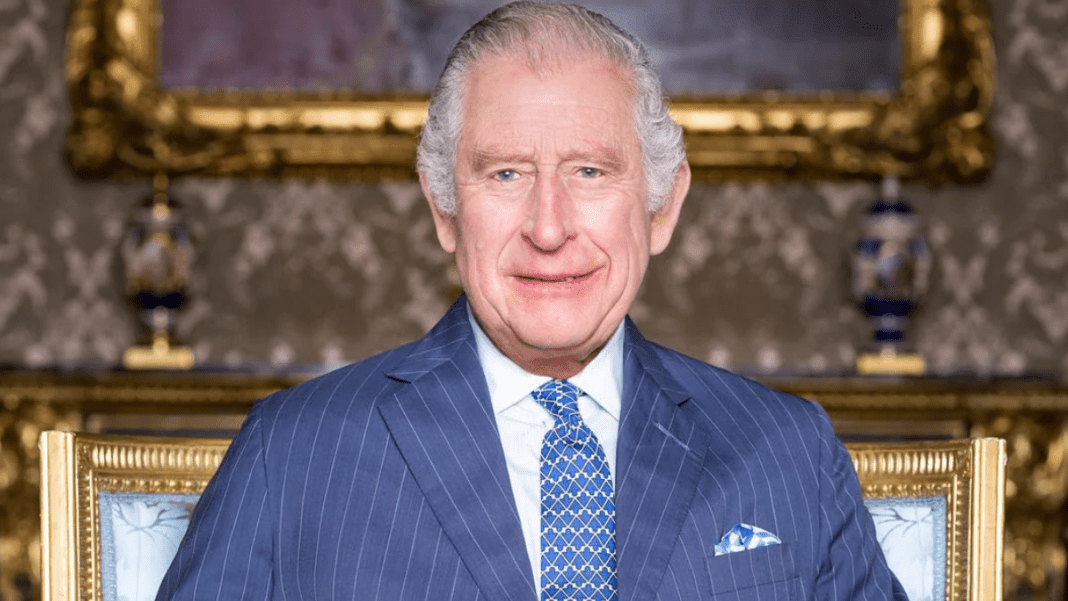

King Charles III and Queen Camilla are set to travel to the United States later this month for an important state visit. The trip will take place between April 27 and April 30 and includes several high-level events across Washington DC, New York, and Virginia.
In Washington DC, the King and Queen will attend formal gatherings such as a ceremonial welcome, a garden party, and a state dinner hosted by President Donald Trump at the White House. A major highlight of the visit will be King Charles III addressing the US Congress, a rare and significant moment in diplomatic relations.
The itinerary also includes visits beyond political settings. In New York, the royal couple will visit the 9/11 memorial and meet first responders. They are also expected to attend a community project in Harlem and participate in a literacy-focused event marking the centenary of Winnie the Pooh. In Virginia, the visit will include a stop at a national park and interactions with local communities, including indigenous groups.
Decision not to meet Epstein survivors
One of the most discussed aspects of the visit is the confirmation that King Charles III will not meet survivors connected to Jeffrey Epstein. This decision has drawn attention because of growing calls from various groups and individuals who wanted such a meeting to take place.
Survivors, including Lisa Phillips, along with public figures like Congressman Ro Khanna, had urged the King and Queen to meet victims as a gesture of support. The issue has also been linked to the controversy surrounding Prince Andrew and his past association with Jeffrey Epstein.
Despite these appeals, Buckingham Palace has made it clear that no such meeting will happen during the visit. The announcement has led to mixed reactions, with some expressing disappointment while others understanding the complexities involved.
Legal concerns and official explanation
According to Palace sources, the main reason behind the decision is the risk of affecting ongoing legal matters. Officials have stated that meeting survivors could potentially interfere with police inquiries, legal assessments, or future court proceedings.
They emphasized that any action which might impact the pursuit of justice for victims must be avoided. The concern is that even a symbolic meeting could influence legal outcomes or complicate existing investigations.
At the same time, there has been recognition of the survivors’ voices. The Palace has acknowledged their position and the importance of their experiences. However, it maintains that protecting the legal process is essential.
Queen Camilla, who has long supported causes related to domestic abuse and violence against women, is expected to meet organizations working in this field during the visit. This reflects an effort to continue engagement with issues affecting survivors, even without a direct meeting.
Parliamentary majority boosts Carney’s ability to handle US tariff tensions
Diplomatic context and broader significance
The visit comes at a time when relations between the United Kingdom and the United States are facing some tensions. Differences over international matters, including the Iran war, have created a challenging diplomatic environment.
Despite this, officials from both sides have stressed the importance of maintaining strong ties. The visit is also linked to the 250th anniversary of US independence, adding a historical and symbolic dimension to the trip.
King Charles III is expected to play a role in reinforcing the long-standing relationship between the two nations. His address to Congress and meetings with President Donald Trump are seen as key moments in this effort.
The schedule indicates that interactions will be carefully planned, with limited unscripted moments. This suggests a focus on maintaining a controlled and diplomatic atmosphere throughout the visit.
The decision not to meet Epstein survivors reflects the sensitive balance between public expectations, legal considerations, and diplomatic priorities.