

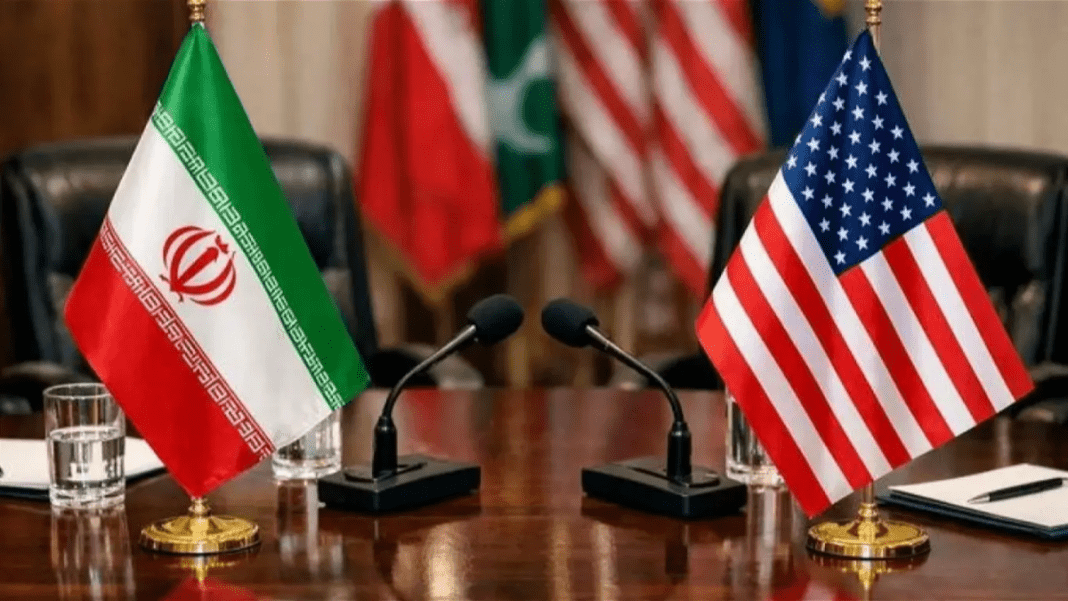

Geneva has come into focus as a key diplomatic hub as global attention sharply turns toward renewed efforts between the United States and Iran after the first round of talks failed to produce any agreement. With tensions rising in the region and a ceasefire deadline fast approaching, multiple countries are now working behind the scenes to restart negotiations.
The urgency has increased because recent military and economic developments have made the situation more fragile. Leaders and officials are trying to avoid further escalation by bringing both sides back to the table before April 21, when the current ceasefire is set to expire.
First Round in Islamabad Ends Without Breakthrough
The initial round of discussions was held in Islamabad, where both sides engaged in nearly 21 hours of negotiations. Despite long discussions, no agreement was reached, and both parties left without resolving the conflict.
During the talks, JD Vance stated that the United States had presented what he described as a “final and best offer.” However, Iran did not agree to the proposal, leading to a breakdown in negotiations.
According to a report by CNN, Donald Trump has shown willingness to resume talks, but only if Iran agrees to specific demands set by the United States.
Following the unsuccessful talks, Pakistan has once again stepped forward and offered to host a second round in Islamabad. Officials have confirmed that diplomatic efforts are ongoing and that discussions about the next meeting are progressing. However, the exact schedule and final venue have not yet been confirmed, with Geneva also entering discussions as a possible alternative.
The primary objective at this stage is to extend the ceasefire so that both sides have more time to negotiate. Without an extension, there is a growing concern that tensions could escalate further.
Geneva Emerges as Neutral Option for Next Meeting
While Pakistan continues to push for Islamabad as the venue, Geneva has emerged as a strong alternative for hosting the next round of talks. Known for hosting major international negotiations, Geneva is widely seen as a neutral and balanced location.
Reports from Associated Press suggest that Geneva is being seriously considered as a backup option if both sides prefer a different environment for talks. The growing mention of Geneva highlights its importance in ongoing diplomatic discussions.
Declassified MI5 files reveal wartime doubts about Rolex founder’s political loyalties
The choice of venue is becoming an important factor in restarting discussions. Islamabad has already hosted the first round, but Geneva’s reputation as a neutral ground may make it more acceptable to both parties. This has made Geneva a key focus in current negotiations.
Diplomatic sources have indicated that discussions are active and ongoing, with a focus on finalizing a venue soon. The goal remains to bring both sides back into dialogue quickly and prevent further deterioration of the situation.
The uncertainty around the location reflects the complexity of the negotiations. Both sides appear cautious, and even small decisions like the venue are being carefully evaluated.
Strait of Hormuz Blockade Intensifies Tensions
At the same time, tensions have increased significantly following a major move by the United States. Donald Trump announced a naval blockade in the Strait of Hormuz, a key global oil transit route.
This waterway is one of the most important in the world, with a large portion of global oil supply passing through it. Any disruption in this area can have serious effects on global energy markets and fuel prices.
Officials from US Central Command clarified that the blockade is specifically aimed at ships entering or leaving Iranian ports. They also stated that general international shipping through the strait would not be affected.
The blockade applies to vessels operating in key areas, including the Persian Gulf and the Gulf of Oman. It is being enforced in a way that officials say will be “impartial” and consistent.
Following this development, JD Vance stated that there had been some progress in earlier talks and expressed expectations that Iran would take steps related to access in the region.
The situation has added pressure to ongoing diplomatic efforts, making the next round of talks even more important. With the ceasefire deadline nearing and no confirmed venue yet, discussions continue at a fast pace as both sides consider their next steps.