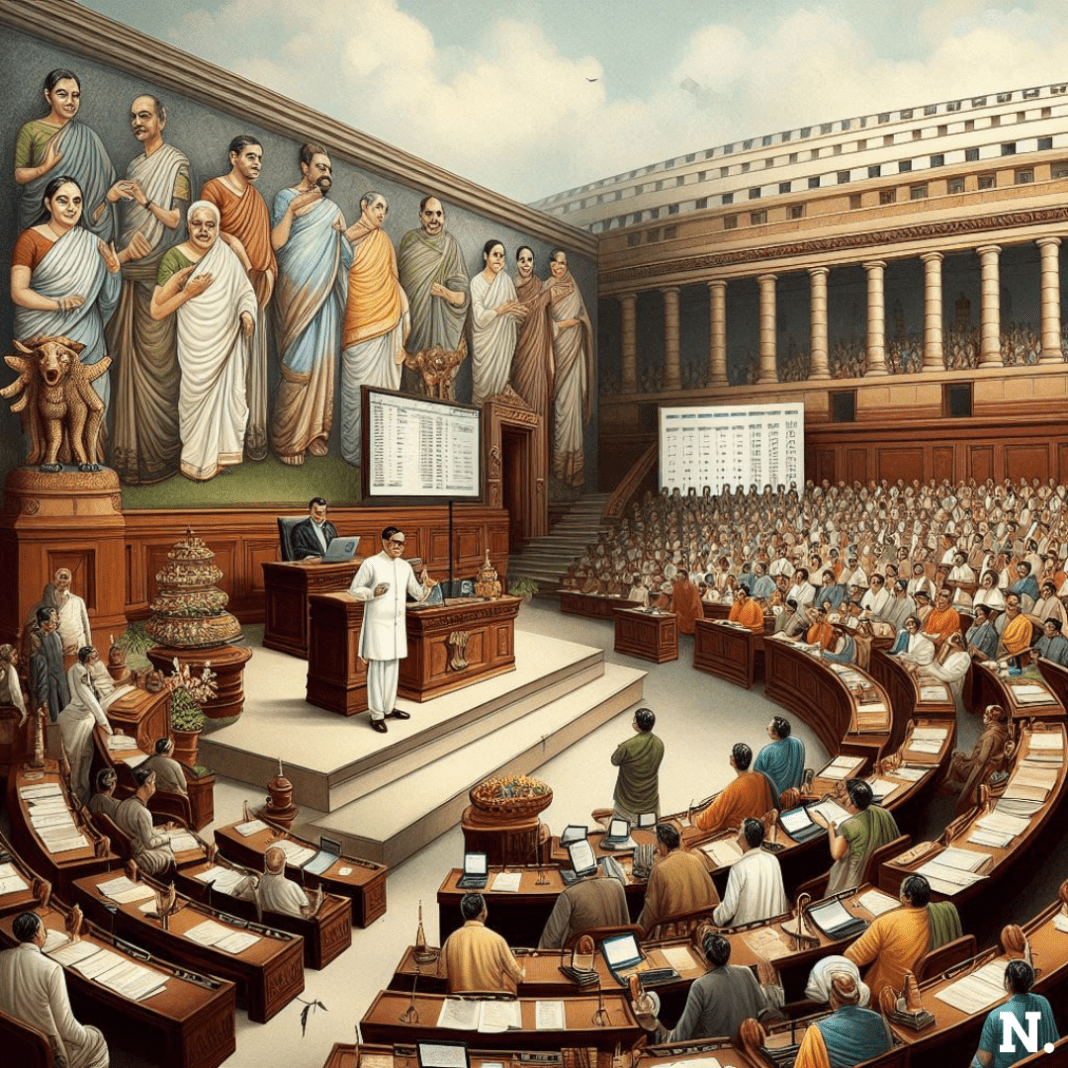

बजेट म्हणजेच केंद्रीय अर्थसंकल्प हा भारत सरकारने सादर केलेला वार्षिक आर्थिक आराखडा आहे ज्यात आगामी आर्थिक वर्षात सरकारच्या अपेक्षित उत्पन्न आणि खर्चाचा आढावा घेतला जातो. सोप्या शब्दात सांगायचे झाले तर अर्थसंकल्प हा सरकारचा तपशीलवार आराखडा आहे. अर्थसंकल्पामधे करांद्वारे किती पैसे गोळा करण्याचे आणि हे पैसे विविध सार्वजनिक सेवा, विकास प्रकल्प आणि प्रशासकीय क्रियाकलापांवर खर्च करण्याचे नियोजन असते. उत्पन्न आणि खर्चाबरोबरच, बजेटमध्ये नवीन करांच्या प्रस्तावांचा समावेश असतो, विद्यमान कर संरचनांमध्ये बदल आणि आर्थिक वाढ व विकासाला चालना देण्यासाठी उपाययोजना असतात.
अर्थसंकल्पासाठी इंग्रजीत “बजेट” हा शब्द वापरला जातो. हा शब्द फ्रेंच शब्द “Bougette” (म्हणजेच पर्स किंवा पिशवी) पासून घेतला गेला आहे. अर्थसंकल्प मांडताना ब्रिटिश अर्थमंत्री छोट्या थैलीतून आगामी वर्षांची आयव्ययविषयक कागदपत्रे बाहेर काढून संसदेपुढे ठेवत असत. म्हणून अर्थसंकल्पास बजेट हा शब्द देखील प्रचलित झाला. बजेट राष्ट्रीय विकासासाठी प्राधान्यक्रम ठरवण्यात आणि देशाच्या आर्थिक व्यवस्थापनात मदत करते.
भारतीय संविधानाच्या कलम ११२ नुसार, सरकारच्या अंदाजे महसूल आणि खर्चाचे वर्गीकरण विशिष्ट वर्षासाठी केंद्रीय अर्थसंकल्पात सादर केले जाते. हा अर्थसंकल्प प्रत्येक वर्षी १ एप्रिल ते ३१ मार्च या कालावधीसाठी तयार केला जातो. अर्थसंकल्पाचे वर्गीकरण दोन मुख्य भागांत केले जाते: महसूल बजेट आणि भांडवली बजेट.
भारतात दरवर्षी लोकसभेत फेब्रुवारी महिन्यात केंद्रीय बजेट सादर केले जाते. फेब्रुवारीनंतर येणाऱ्या एप्रिल ते मार्च या कालावधीत किती महसूल गोळा होईल आणि वर्षभरात किती खर्च करावा लागेल, याचा अंदाज या अर्थसंकल्पात मांडला जातो. कर प्रणालीतील बदल, तसेच संरक्षण, शिक्षण, संशोधन आणि विकास यांसारख्या क्षेत्रांसाठी तरतूद यात केली जाते.
२०२४ सालात निवडणूका असल्यामुळे भारतात जुलै महिन्यात नवीन स्थापन झालेलं सरकार अर्थसंकल्प सादर करत आहे
भारताचा पहिला अर्थसंकल्प
भारताचा पहिला अर्थसंकल्प ७ एप्रिल १८६० रोजी सादर करण्यात आला. ईस्ट इंडिया कंपनी कडून इंग्लंडच्या राणीकडे भारताचा कारभार हस्तांतरीत झाल्यानंतर दोन वर्षांनी हा अर्थसंकल्प सादर करण्यात आला होता. हा अर्थसंकल्प भारताचे पहिले वित्तीय सभासद जेम्स विल्सन यांनी मांडला. व्हॉइसरॉयला आर्थिक बाबींविषयी सल्ला देणे हा त्यांच्या कार्याचा एक भाग होता.
तर, स्वतंत्र भारताचा पाहिला अर्थसंकल्प आर.के. षण्मुख शेट्टी यांनी २६ नोव्हेंबर १९४७ रोजी सादर केला होता. त्यांच्या राजीनाम्यानंतर जॉन मथाई हे स्वतंत्र भारताचे दुसरे वित्त मंत्री बनले. १९४९-५० आणि १९५०-५१ साठीचा आर्थिक वर्षासाठीचा अर्थसंकल्प त्यांनी सादर केला होता. मथाई यांनी संसदेत सादर केलेल्या या अर्थसंकल्पाची आणखी एक विशेष बाब म्हणजे संपूर्ण अर्थसंकल्पाचे वाचन करण्याऐवजी काही खास मुद्द्यांचेच वाचन करण्यात आले होते. तसेच योजना आयोग आणि पंचवार्षिक योजनांचा उल्लेख सर्वप्रथम इथेच सापडतो. १९४९-५०चा अर्थसंकल्प हा एकत्रित भारतासाठी तसेच संस्थानांसाठी तयार केलेला पहिला अर्थसंकल्प होता.
अर्थसंकल्पाची वेळ कशी बदलली?
१९२४ पासून, फेब्रुवारी महिन्याच्या शेवटच्या तारखेला संध्याकाळी ५ वाजता अर्थसंकल्प सादर करण्याची वेळ निश्चित करण्यात आली होती. ५ ही वेळ अधिकाऱ्यांना आराम मिळवण्यासाठी ठरवण्यात आली असल्याचे मानले जाते. ब्रिटिश साम्राज्याच्या काळात भारतातील अर्थसंकल्प ब्रिटनच्या अर्थसंकल्पानंतर सादर केला जात असे. ब्रिटनमध्ये अर्थसंकल्प सकाळी ११ वाजता सादर केला जात असे, त्यामुळे भारतात संध्याकाळी ५ वाजता अर्थसंकल्प सादर केला जायचा.
स्वातंत्र्यानंतरही १९९९ पर्यंत, फेब्रुवारी महिन्याच्या अखेरच्या तारखेला अर्थसंकल्प सादर करण्याची परंपरा कायम होती. ब्रिटिश कालखंडातून गेल्यानंतरही, प्रशासनाने त्यांच्याद्वारे घालून दिलेल्या व्यवस्थेचे भारतात पालन केले गेले. या ब्रिटिश परंपरेला पहिल्यांदा फाटा अटल बिहारी वाजपेयी यांच्या सरकारमधील अर्थमंत्री यशवंत सिन्हा यांनी दिला. आणि १९९९ साली, यशवंत सिन्हा यांनी संध्याकाळी अर्थसंकल्प सादर करण्याऐवजी सकाळी ११ वाजता अर्थसंकल्प सादर करण्याची नवी परंपरा सुरू केली.
१ फेब्रुवारीची तारीख कशी ठरली?
अटल बिहारी वाजपेयी यांच्या सरकारने वेळेत बदल केल्याप्रमाणे, मोदी सरकारने तारखेतही बदल केला. २०१७ मध्ये, तेव्हाचे अर्थमंत्री अरुण जेटली यांनी अर्थसंकल्प फेब्रुवारीच्या अखेरीस सादर न करता १ फेब्रुवारी रोजी सादर करण्यास सुरुवात केली. तेव्हापासून १ फेब्रुवारी रोजीच अर्थसंकल्प सादर केला जात आहे. तारखेत बदल करण्यामागचे महत्त्वाचे कारण म्हणजे, फेब्रुवारीच्या अखेरीस अर्थसंकल्प सादर केल्यावर कर रचनांतील बदल लागू करण्यासाठी किंवा ते समजून घेण्यासाठी फक्त एकच महिना शिल्लक राहतो. कारण भारतात आर्थिक वर्ष एप्रिल ते मार्चपर्यंत असते. त्यामुळे नवीन कर रचना लागू करण्याची प्रक्रिया सुलभ करण्यासाठी १ फेब्रुवारी रोजी अर्थसंकल्प सादर करण्याचा निर्णय घेतला गेला.
अर्थसंकल्प: छपाई, औपचारिकता, आणि सर्वोच्च गुप्तता
केंद्रीय अर्थसंकल्पाची कागदपत्रे अत्यंत गुप्तपणे हाताळली जातात. कारण ही अधिकृत माहिती लीक झाल्यास गंभीर परिणाम होऊ शकतात. या कागदपत्रांबाबत एवढी गुप्तता राखली जाते की अर्थमंत्र्यांना देखील ब्लू शीट ठेवण्याचा अधिकार नाहीये. केंद्रीय अर्थसंकल्प ब्लू शीटवरील डेटा आणि मुख्य आकड्यांच्या आधारावर तयार केला जातो. ही महत्वाची शीट फक्त संयुक्त सचिव (बजेट) यांच्याकडेच ठेवण्याची परवानगी असते.
१९५० पर्यंत, सर्व महत्वाचे बजेट कागदपत्रे राष्ट्रपती भवनाच्या परिसरात छापली जात होती. तथापि, डेटा लीक होण्याच्या धोक्यामुळे सरकारने या प्रक्रियेला मिंटो रोडवरील सरकारच्या प्रेसमध्ये हलवण्याचा निर्णय घेतला. १९८० पर्यंत तेथेच बजेटच्या कागदपत्रांची छपाई सुरु होती. १९८० नंतर, बजेट कागदपत्रांची छपाई वित्त मंत्रालयाच्या उत्तर ब्लॉकच्या बेसमेंटमध्ये केली जाते. २०२१ पासून डिजिटल इंडिया उपक्रमांतर्गत केंद्रीय अर्थसंकल्प टॅबलेट वरूनच सादर केला जातो.