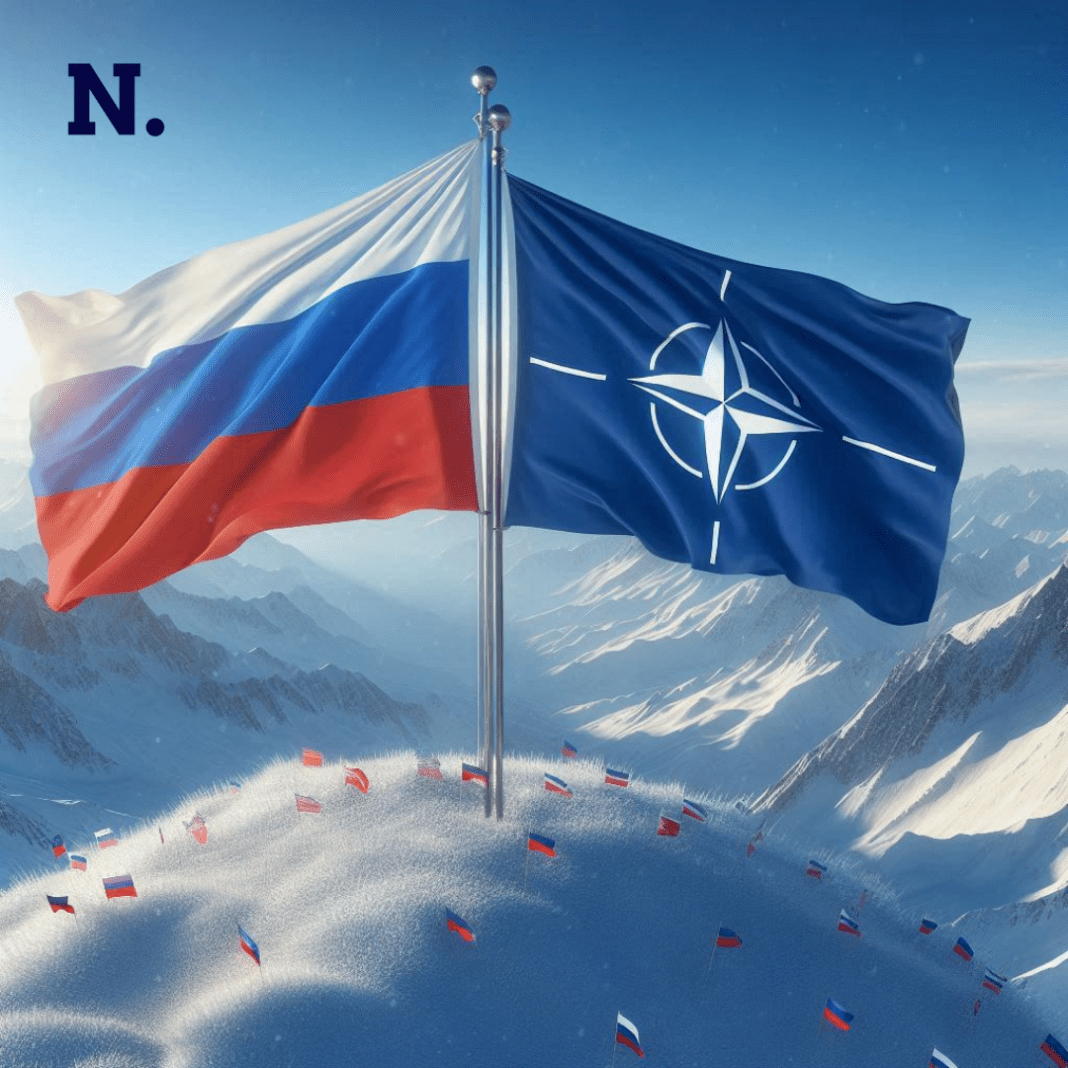

During a briefing with Moscow graduates, Russian President Vladimir Putin expressed his willingness to engage in discussions. He specifically mentioned security issues with NATO member nations. This stance marks a potential shift in Russia’s approach to international security dialogues.
Putin’s Vision for Discussion with NATO
In his speech, Putin highlighted his recent meeting with the Ministry of Foreign Affairs’ leadership. During the meeting, he outlined Russia’s vision. This vision is for creating equal and indivisible security across Eurasia. He emphasized that Russia is prepared for a broad international discussion on these critical security issues. This includes talks with various international organizations such as the Shanghai Cooperation Organization, the CIS, the Eurasian Economic Community, and BRICS. Putin also mentioned that Russia is open to discussions with European countries and NATO states when they are ready for such engagements.
Commitment to Strengthening Nuclear Capabilities
In addition to his call for international dialogue, Putin promised to bolster Russia’s nuclear capabilities. He also pledged to equip the military with advanced weaponry. Putin stated that increasing the supply of unmanned aircraft systems to troops would be prioritized. He mentioned armored vehicles and high-precision weapons as part of the supply. Strike aircraft and enemy detection systems are also included. Additionally, counter-battery systems, control systems, and communications systems will be provided to the front-line troops. This commitment underscores Russia’s focus on maintaining and enhancing its military strength.
Defense Minister’s Remarks over NATO outreach
Following Putin’s speech, Russian Defense Minister Andrei Belousov also addressed the audience, praising the Russian military. He commended Russian military personnel for honorably fulfilling their duties, effectively defending national interests, and resolutely fighting what he referred to as the followers of Nazi ideology. Belousov’s remarks reinforced the narrative of a strong and committed Russian military.
Historical Context and Current Implications
The context of these statements is important. Russia’s relationship with NATO and Western nations has been strained, particularly since the annexation of Crimea in 2014 and the ongoing conflict in Eastern Ukraine. Putin’s openness to talks could be seen as a strategic move to ease tensions and potentially find common ground on security issues. However, the simultaneous emphasis on strengthening military capabilities suggests a dual approach of seeking dialogue while preparing for potential conflicts.
Strategic Objectives
Russia’s strategic objectives in expressing readiness for talks with NATO likely include securing its influence in Eurasia and ensuring its security concerns are addressed. By proposing discussions on equal and indivisible security, Putin aims to establish a framework where Russia’s interests are considered alongside those of other major powers. This approach also aims to counterbalance the influence of Western nations in the region.
Potential Areas of Discussion
Potential areas of discussion between Russia and NATO could include arms control, counter-terrorism efforts, cyber security, and conflict resolution in regions like Ukraine and Syria. Arms control, in particular, remains a critical issue, with both sides seeking to prevent an arms race and reduce the risk of nuclear conflict. Cybersecurity has also emerged as a significant area of concern, with both Russia and NATO experiencing various cyber threats that could be better managed through cooperation.
Challenges of Ideologies between NATO and Russia
Despite the potential for dialogue, significant challenges remain. Trust between Russia and NATO is low, and mutual suspicions could hinder constructive talks. Additionally, NATO member states may have differing views on how to engage with Russia, complicating the process of reaching a consensus on security issues. Furthermore, Russia’s military actions and support for separatist movements in Ukraine and Georgia continue to be major points of contention.
Global Reactions
There will probably be a range of responses to Putin’s remarks worldwide. Some countries may welcome the prospect of dialogue, seeing it as an opportunity to de-escalate tensions and address mutual security concerns. Others may remain skeptical, questioning Russia’s intentions and commitment to genuine cooperation. The international community will closely watch how NATO responds to this overture and whether it leads to substantive negotiations.
Conclusion
President Putin’s expression of readiness to engage in security discussions with NATO marks a notable development in international relations. The commitment to strengthening military capabilities indicates a cautious approach. However, the willingness to discuss security issues opens potential cooperation. Russia is open to discussions with a wide range of international actors. The future of Russia-NATO relations depends on both sides engaging in dialogue. They must address the underlying issues that have fueled tensions for years. As the world watches, the outcomes of these proposed talks could significantly impact global security dynamics.