
India, with its growing young population and rising disposable incomes, has witnessed a significant transformation in its fitness industry. What once began with traditional exercise spaces like akhadas (wrestling pits) has now evolved into smart gyms and holistic wellness centers. With an increasing awareness of health risks such as diabetes and cardiovascular diseases, many Indians have started prioritizing fitness and wellness.
The fitness industry, which was once dominated by men, is now seeing greater participation from women. A study shows that around 45% of gym members are women. Men generally tend to join gyms for muscle building, while most women prefer activities like Zumba and aerobics to lose weight. In an effort to manage stress and preserve general wellbeing, many people are now attending fitness centers. With fitness now seen as a tool for preventing lifestyle-related illnesses, the industry’s focus has expanded from just bodybuilding to holistic fitness.
Evolution of Fitness Centers
In earlier days, India’s fitness centers were limited to bodybuilding gyms, where people went primarily to lift weights and build muscles. But with changing perspectives on health, the fitness industry has seen a significant shift. Today’s fitness centers offer more than just physical exercise. They focus on the holistic wellness of the body, mind, and soul, incorporating mental health practices like yoga, meditation, and even therapy into fitness routines.
The idea of fitness is no longer just about maintaining physical strength or losing weight. It has become a lifestyle, blending fitness with mindful nutrition, diet, and even fashion. Special gym outfits, sippers for protein shakes, and targeted footwear have become common among fitness enthusiasts, highlighting how fitness now extends beyond just physical activities.
People are willing to spend more money on their health as long as it is prioritized. According to a report, consumers in India are ready to invest ₹4,000- ₹10,000 annually on preventive healthcare. Additionally, fitness-conscious individuals are spending up to ₹15,000 on wearable devices and fitness equipment. This willingness to invest in health has created a booming market for fitness centers and new-age gyms.
One such example is Cult.fit, a fitness platform that offers a holistic ecosystem of both physical and digital fitness experiences. Cult.fit not only provides workout sessions but also offers tailored diet plans and mental fitness activities. Other fitness centers like Anytime Fitness and Vault are part of the new wave of fitness centers combining traditional gym services with advanced technological features. The increasing popularity of these centers reflects the growing focus on preventive healthcare rather than curative solutions.
The Role of Technology in Fitness
The development of technology has completely changed the landscape of fitness. Fitness trackers and wearables have made it possible for individuals to monitor their health in real-time. For example, the GOQii wearable fitness band not only tracks physical activity but also monitors heart rate, blood pressure, and even sleep patterns. These devices help people stay informed about their health and work toward fitness goals more effectively.
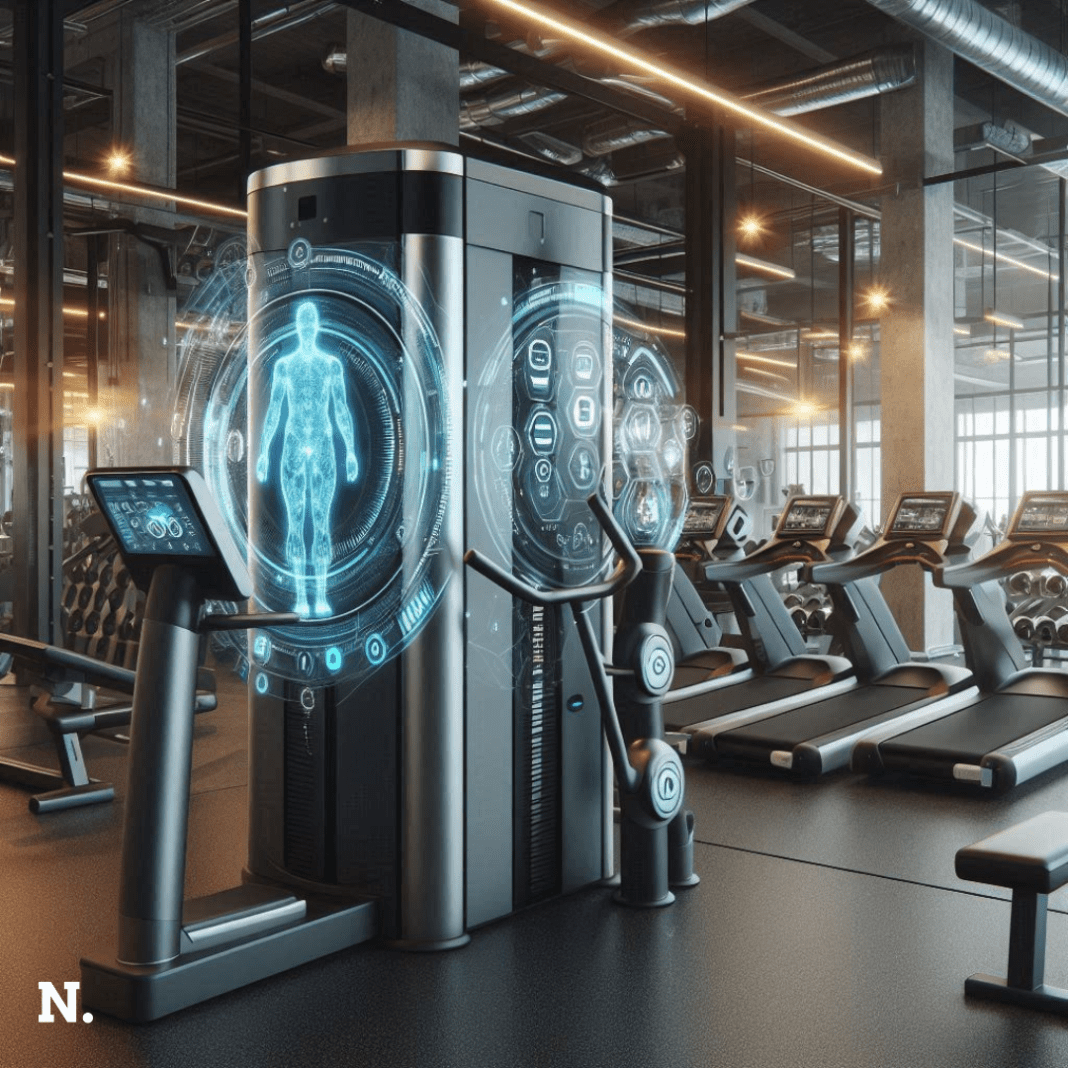
Personalized training regimens are now more available thanks to developments in fitness equipment. Companies like Aroleap X and Flexnest have introduced smart, connected fitness equipment that allows people to train at home, in the office, or at the gym with ease. Aroleap X offers a compact, wall-mounted smart exercise machine that uses digital weight technology, making it possible to train with weights ranging from 2 to 75 kg. Similarly, Flexnest provides smart equipment and online classes, enabling people to follow customized workout routines from the comfort of their homes.
Gyms like Anytime Fitness have adopted a hybrid model where members can either visit physical gyms or take live remote coaching sessions. This flexibility allows members to access fitness services on their own schedules, making it easier for individuals with busy lifestyles to maintain their fitness routines. In addition, Anytime Fitness uses advanced tools like the Body Composition Analysis (BCA) machine, which measures vital signs such as body fat percentage and muscle mass. Members can obtain training regimens tailored to their individual needs and fitness objectives with the use of this data.
The Rise of Smart Gyms and Home Workouts
In India, smart gyms and home workouts have grown in popularity as fitness has become more of a lifestyle choice. These fitness options cater to people who prefer convenience and flexibility. Whether it’s busy schedules or the desire to avoid crowded gyms, many individuals are opting for home workout solutions. Companies like Flexnest and Aroleap have stepped up to meet this demand by offering connected fitness equipment and services for home use.
Flexnest’s smart fitness equipment, coupled with online classes, provides a complete home workout solution, making it easier for people to follow fitness regimes without stepping into a gym. These advancements in technology and fitness equipment have created a diverse fitness landscape where traditional gyms coexist with high-tech smart fitness solutions. People now have the freedom to choose between visiting a gym, joining fitness studios, or even working out at home with virtual trainers.
The Indian fitness industry has come a long way, evolving from traditional gyms that focused on weightlifting and bodybuilding to smart fitness centers that emphasize overall wellness. With the integration of technology, personalized fitness regimes, and an increasing focus on holistic well-being, the industry is set to meet the demands of health-conscious individuals across the country. Fitness has become more accessible, varied, and aligned with the needs of a modern lifestyle, offering a wide range of choices to help people stay fit and healthy.