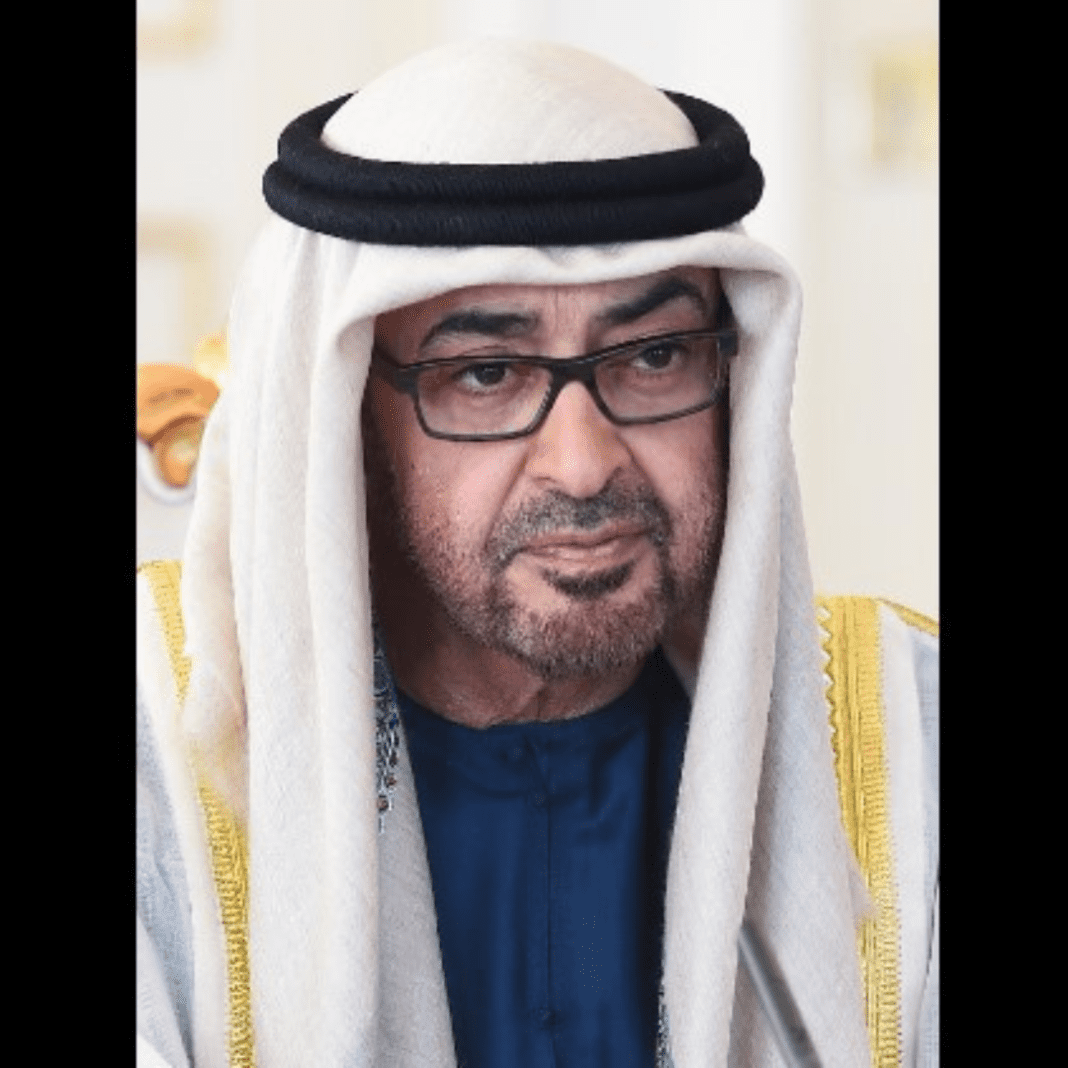

The Al Nahyan royal family, a significant presence in Abu Dhabi and the United Arab Emirates (UAE), is known for its immense wealth. With an estimated net worth exceeding $305 billion, they stand among the wealthiest families in the world. The country’s abundant oil reserves primarily drive this extraordinary fortune, playing a crucial role in boosting the UAE’s economy and the family’s personal wealth.
Sources of Wealth: The Al Nahyan Family’s Oil Reserves and Diverse Investments
The UAE is home to about six percent of the world’s total oil reserves, making it a powerhouse in the oil industry. The Al Nahyan family’s wealth primarily derives from these resources, establishing them as vital players in the region’s economic landscape. Their role extends beyond mere ownership; they are considered essential pillars of the economy in the Arab world. Such families not only contribute to economic growth but also provide numerous job opportunities, fostering stability in the region.
In addition to their oil interests, the Al Nahyan family has expanded its wealth through various business ventures. They have made significant investments in diverse industries, including entertainment, agriculture, and technology. Notably, they have invested in global brands such as Rihanna’s Fenty beauty line and Elon Musk’s SpaceX, showcasing their commitment to being part of innovative markets. These investments reflect their strategic approach to wealth management and growth, as they continue to diversify their portfolio.
The family also has a notable presence in sports, particularly in football. They own a sizable portion of Manchester City, a renowned English Premier League team. This involvement in sports is not just about ownership; it also includes significant contributions to the sporting community, promoting athleticism and engagement in the region. The family’s connections to various football clubs through the City Football Group exemplify their influence in global sports.
Luxurious Assets: The Presidential Palace and Exclusive Collections
The Al Nahyan family’s wealth is not only seen in their investments but also in their extravagant possessions. One of the most impressive assets is the Qasr Al-Watan, the presidential palace located in Abu Dhabi. Spanning nearly 94 acres, this majestic palace is often compared in size to three Pentagon buildings, highlighting its grandeur. It represents the family’s authority and influence in the United Arab Emirates.
The palace features stunning architecture and design, making it a popular attraction for visitors. Among its many luxurious features is an enormous chandelier made up of 350,000 crystals, which showcases the family’s affinity for opulence. The palace’s immense size and splendor are a reflection of the UAE’s rich past and culture.
The Al Nahyan family also has a penchant for luxury vehicles. One member of the family boasts an astonishing collection of over 700 cars, which includes some of the rarest and most expensive vehicles globally. This remarkable collection features exclusive models like five Bugatti Veyrons, a Lamborghini Reventon, and a Mercedes-Benz CLK GTR. Such extravagant possessions illustrate the family’s love for automobiles and their status in society.
Economic Contributions: The Al Nahyan Family’s Job Creation and Investments
The Al Nahyan family’s financial ventures have significant implications for the economy of the UAE. Their investments are not just for personal gain; they play a vital role in job creation and economic stability. The family heads major investment companies valued at billions of dollars, including one company valued at around $235 billion that invests in various sectors, such as energy, agriculture, and entertainment.
These companies employ tens of thousands of people, providing vital job opportunities for the local population. By investing in diverse industries, the Al Nahyan family contributes to the overall economic growth of the UAE and enhances the quality of life for its citizens. Their strategic investments help to sustain the economy, ensuring that it remains robust and capable of weathering global economic fluctuations.
The Al Nahyan family’s wealth is a fascinating blend of oil reserves, smart investments, and luxurious assets. Their significant contributions to the economy have positioned them as key figures in the region. Their investments span various sectors. The family owns an opulent palace that showcases their wealth. They also have an impressive collection of vehicles. Overall, their lifestyle reflects their immense fortune and influence in the world.