

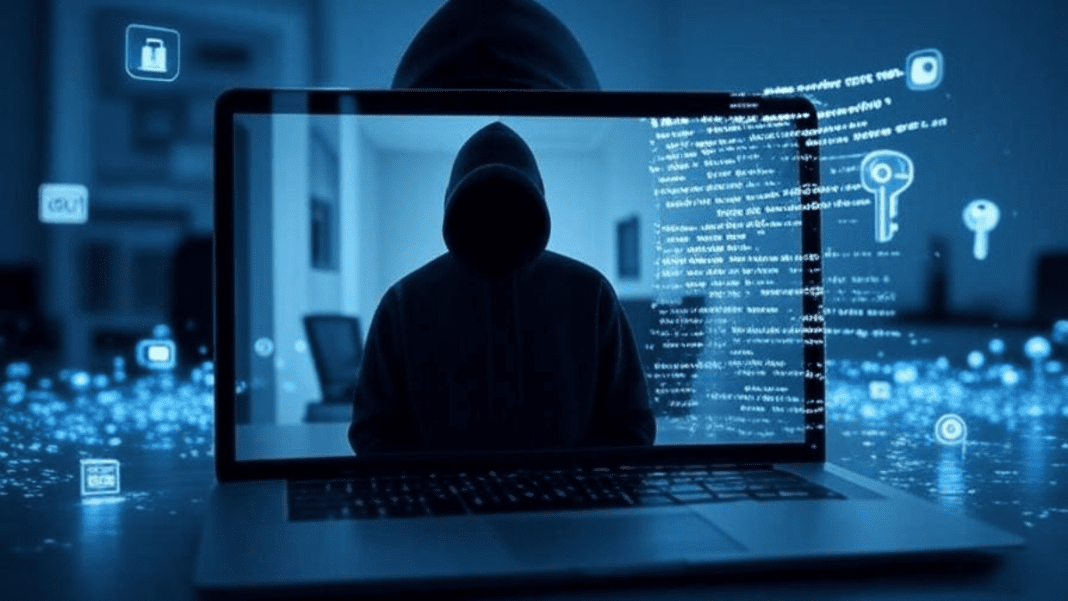
Alarming macOS Malware Uses Sneaky Tricks to Steal Keychain Passwords

A new malware called NimDoor is making waves in the Apple world. This malware is different from what we usually see on macOS. It targets people who work with Web3 technologies and cryptocurrency, trying to steal their private information and money.

The attackers begin by pretending to be someone the victim knows. They contact the victim through Telegram, a popular messaging app. They then suggest a fake business meeting and send what looks like a normal Zoom invitation. But instead of a real meeting, they trick people into downloading a dangerous file.

This file is disguised as a “Zoom SDK update script,” which sounds official. The download link comes from a fake website that looks very close to Zoom’s real support page. Once the victim downloads and runs this file, the malware silently gets into the system and begins its work.

What makes NimDoor especially dangerous is how deeply it hides inside the computer. It doesn’t behave like most other Mac viruses. Instead of being easy to spot, it uses a secret method called process injection. This allows the malware to sneak into other apps running on the Mac, so it can hide and keep working without being noticed.

Smart Coding and Stealthy Behavior

The malware is built using several programming languages. It uses AppleScript to enter the system, C++ to inject its code into other apps, and a rare language called Nim to run its main features. This combination makes it hard for security tools to understand what the malware is doing.

One clever feature of NimDoor is how it avoids being shut down. Normally, if someone finds a virus, they can force it to stop running. But NimDoor has a secret trick. It listens for system signals that usually tell programs to shut down — like SIGINT and SIGTERM.

To make sure it starts every time the computer is turned on, the malware places a file in the LaunchAgents folder. This is a normal part of macOS that allows apps to open automatically when the computer starts.

What the Malware Tries to Steal

Once NimDoor is running on the victim’s Mac, it begins its main mission — stealing private data. One of the first things it does is try to grab Keychain credentials. Keychain is Apple’s system that stores all your passwords, so if hackers get into it, they can access your emails, bank accounts, and more.

The malware also goes after web browsers. It looks inside popular apps like Google Chrome and Firefox to collect saved passwords and browsing history. It can even spy on Telegram messages to steal sensitive conversations.

All this stolen data is sent back to the hackers using the encrypted channel mentioned earlier. Because of the advanced encryption, even companies that monitor internet traffic might not notice that something bad is happening.

🔐 Brazil’s Banking Backbone Breached: Major Cyberattack Hits C&M Software, Threatens Central Bank Links

This level of technical skill is rare in macOS malware. It shows that the people behind NimDoor spent a lot of time making sure their malware could stay hidden, work efficiently, and avoid being removed. From its fake Zoom invite to its secret updates and encrypted messages, NimDoor is one of the most advanced macOS threats seen in recent years.

Apple users — especially those in crypto and Web3 spaces — are the main targets. The malware is designed to blend in, act like a normal part of the system, and steal valuable information without raising red flags.

Renuka Bangale
Renuka Bangale
Renuka is a distinguished Chartered Accountant and a Certified Digital Threats Analyst from Riskpro, renowned for her expertise in cybersecurity. With a deep understanding of cybercrimes, malware, cyber warfare, and espionage, she has established herself as an authority in the field. Renuka combines her financial acumen with advanced knowledge of digital threats to provide unparalleled insights into the evolving landscape of information security. Her analytical prowess enables her to dissect complex cyber incidents, offering clarity on risks and mitigation strategies. As a key contributor to Newsinterpretation’s information security category, Renuka delivers authoritative articles that educate and inform readers about emerging threats and best practices.

TOP 10 TRENDING ON NEWSINTERPRETATION

Cyber Attacks on Space Infrastructure: Satellites, GPS and the Ground Systems Behind Them

From the Viasat KA-SAT hack to GPS jamming over the Baltic, a research guide to how attackers target satellites, navigation signals and ground stations, and why it matters on Earth.

How AI Agents Are Used in Cyber Attacks: From Assisted Hacking to AI-Orchestrated Espionage

Attackers now use AI agents to scan networks, write exploits and run extortion campaigns. A research guide to documented cases, including the first reported AI-orchestrated espionage campaign, and what defenders should do.

Cyber Attacks on AI and LLMs: How Attackers Target Large Language Models

Prompt injection, data poisoning, model theft and jailbreaks: a research guide to how attackers target AI systems and large language models, with real cases and defences.

French Supermarket Refrigeration Cyberattack: How Hacking the Cold Chain Can Endanger Lives

In October 2026 attackers heated refrigeration cabinets in hundreds of French supermarkets to as much as 50°C. No one was hurt, but the attack shows how hacking the cold chain can endanger lives through fire, food poisoning and spoiled medicines.

Cyberattacks on Nuclear Facilities: Stuxnet, Kudankulam and the Limits of Air Gaps

Stuxnet, the Davis-Besse worm and malware at India’s Kudankulam plant: what they show about cyber risk at nuclear facilities and the limits of air gaps.

Triton: When Hackers Target the Safety Systems That Prevent Industrial Disasters

The 2017 Triton attack targeted the safety systems that prevent industrial disasters. What happened, who was charged, and how plants protect their last line of defence.

Cybersecurity Risks in Smart Cities: When Connected Infrastructure Fails

How connecting traffic control, emergency alerts and utilities concentrates cyber risk in cities, what the Dallas and Atlanta incidents showed, and what governments recommend.

Weaponized Drones: Hijacking, GPS Spoofing and Emerging Cyber Warfare Risks

How drones can be hijacked, jammed or misled by GPS spoofing, what researchers have demonstrated, and why governments treat drone fleets as a security risk.

Ransomware Attacks on Hospitals: How Healthcare Cyberattacks Put Patients at Risk

How ransomware against hospitals and their suppliers delays care and endangers patients, what the Düsseldorf and WannaCry cases show, and what research says about deaths.

Operational blunder exposes massive Russian cyber espionage attack on Ukrainian prosecutors

A major cyberattack has compromised the email accounts of...

Cyber Attacks on Space Infrastructure: Satellites, GPS and the Ground Systems Behind Them

From the Viasat KA-SAT hack to GPS jamming over the Baltic, a research guide to how attackers target satellites, navigation signals and ground stations, and why it matters on Earth.

French Supermarket Refrigeration Cyberattack: How Hacking the Cold Chain Can Endanger Lives

In October 2026 attackers heated refrigeration cabinets in hundreds of French supermarkets to as much as 50°C. No one was hurt, but the attack shows how hacking the cold chain can endanger lives through fire, food poisoning and spoiled medicines.

Cyberattacks on Nuclear Facilities: Stuxnet, Kudankulam and the Limits of Air Gaps

Stuxnet, the Davis-Besse worm and malware at India’s Kudankulam plant: what they show about cyber risk at nuclear facilities and the limits of air gaps.

Triton: When Hackers Target the Safety Systems That Prevent Industrial Disasters

The 2017 Triton attack targeted the safety systems that prevent industrial disasters. What happened, who was charged, and how plants protect their last line of defence.

Cybersecurity Risks in Smart Cities: When Connected Infrastructure Fails

How connecting traffic control, emergency alerts and utilities concentrates cyber risk in cities, what the Dallas and Atlanta incidents showed, and what governments recommend.

Ransomware Attacks on Hospitals: How Healthcare Cyberattacks Put Patients at Risk

How ransomware against hospitals and their suppliers delays care and endangers patients, what the Düsseldorf and WannaCry cases show, and what research says about deaths.

FBI warns of AVrecon malware targeting outdated routers linked to proxy based cybercrime

A serious cybersecurity warning has been issued regarding commonly...

Related Articles

Popular Categories