

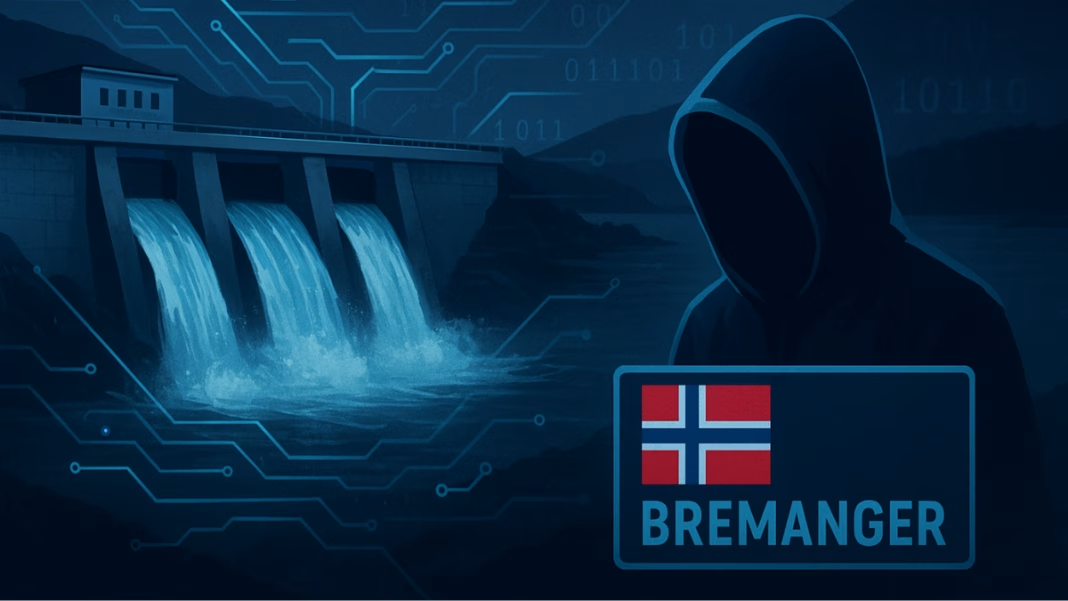
Norwegian dam targeted in cyber sabotage, 2 million gallons of water released

Cyberattack triggers massive water release

Norway had linked a cyberattack on one of its dams to hackers with ties to Russia, marked a major warning for Europe’s critical infrastructure. The incident took place in the coastal municipality of Bremanger, where attackers remotely accessed the dam’s digital systems earlier this year.

According to officials, the hackers managed to open a valve that controls water used for fish farming. This caused a torrent of water to rush out at a rate of 132 gallons every single second. The flood continued for four hours before authorities detected and stopped it.

Hackers released nearly two million gallons of water. The flood did not hurt anyone. It also did not damage property. Authorities said the attackers planned the act to cause fear and disruption, not destruction.

Earlier, we reported on the first signs of unusual activity at the dam, when investigators were still confirming if it was an accident or sabotage. That initial report set the stage for what has now been confirmed as a deliberate cyberattack.

Hackers sabotaged Norway’s water system in the first confirmed cyber case. Investigators said skilled attackers planned the act carefully. They wanted to show they could strike important systems.

Russian Hackers Breach Norwegian Dam in Shocking Cyberattack

Evidence posted online

The hackers left behind more than just a digital footprint. Shortly after the attack, a three-minute video appeared on social media platform Telegram. The clip carried markings linked to a known pro-Russian cyber group. Officials later confirmed that the footage was authentic and had been recorded during the dam breach.

This video evidence sets the attack apart from other online claims, which often circulate without proof. Investigators confirmed that the release of water was not an accident or a technical error, but a deliberate act of sabotage.

Cyberattack Catastrophe: How Hackers Can Endanger Human Lives ?

The case highlights how hackers are increasingly blending cyber activity with psychological tactics. By leaking proof of their actions online, they not only strike systems but also aim to unsettle communities and test how governments react.

Officials said the group behind the attack is not working alone. It includes several linked actors. In the past, they have targeted Western businesses and public services. Their attacks often steal data, disrupt services, or send threats. Finding the exact people behind the breach is hard, as hackers hide behind many layers of cover.

Rising fears of sabotage across Europe

Observers say the Bremanger dam sabotage is part of a wider campaign of hybrid attacks linked to Russia since its 2022 invasion of Ukraine. These attacks go beyond cyberspace. Reports across Europe mention vandalism, arson, and even attempts at assassination.

Experts warn that these campaigns aim to spread fear. They also try to pressure countries that support Ukraine. Hackers strike symbolic or vital infrastructure to send a message. They want people to feel that daily life and security can be disrupted at any time.

Norway, which relies heavily on hydropower for its electricity, is particularly exposed to such threats. It also plays a key role in supplying natural gas to Europe, making its infrastructure an attractive target for hostile groups. Authorities have regularly warned about this danger, noting that foreign actors often use cyber proxies to test vulnerabilities.

The sabotage shows how fragile digital systems are when skilled hackers attack. No lives were lost and no lasting damage was done. But the act carried strong meaning. Releasing millions of gallons of water in a secure country like Norway sent a powerful message.

Officials have urged citizens to stay alert and understand that cyberattacks are no longer limited to stealing passwords or shutting down websites. Today, they can reach into physical systems that control water, power, and transportation.

The Bremanger attack showed that cyber warfare is not only about computers. It can quickly change the real world. In minutes, hackers turned a dam’s valves into a weapon. The line between the digital world and physical safety is now very thin.

Renuka Bangale
Renuka Bangale
Renuka is a distinguished Chartered Accountant and a Certified Digital Threats Analyst from Riskpro, renowned for her expertise in cybersecurity. With a deep understanding of cybercrimes, malware, cyber warfare, and espionage, she has established herself as an authority in the field. Renuka combines her financial acumen with advanced knowledge of digital threats to provide unparalleled insights into the evolving landscape of information security. Her analytical prowess enables her to dissect complex cyber incidents, offering clarity on risks and mitigation strategies. As a key contributor to Newsinterpretation’s information security category, Renuka delivers authoritative articles that educate and inform readers about emerging threats and best practices.

TOP 10 TRENDING ON NEWSINTERPRETATION

Cyber Attacks on Space Infrastructure: Satellites, GPS and the Ground Systems Behind Them

From the Viasat KA-SAT hack to GPS jamming over the Baltic, a research guide to how attackers target satellites, navigation signals and ground stations, and why it matters on Earth.

How AI Agents Are Used in Cyber Attacks: From Assisted Hacking to AI-Orchestrated Espionage

Attackers now use AI agents to scan networks, write exploits and run extortion campaigns. A research guide to documented cases, including the first reported AI-orchestrated espionage campaign, and what defenders should do.

Cyber Attacks on AI and LLMs: How Attackers Target Large Language Models

Prompt injection, data poisoning, model theft and jailbreaks: a research guide to how attackers target AI systems and large language models, with real cases and defences.

French Supermarket Refrigeration Cyberattack: How Hacking the Cold Chain Can Endanger Lives

In October 2026 attackers heated refrigeration cabinets in hundreds of French supermarkets to as much as 50°C. No one was hurt, but the attack shows how hacking the cold chain can endanger lives through fire, food poisoning and spoiled medicines.

Cyberattacks on Nuclear Facilities: Stuxnet, Kudankulam and the Limits of Air Gaps

Stuxnet, the Davis-Besse worm and malware at India’s Kudankulam plant: what they show about cyber risk at nuclear facilities and the limits of air gaps.

Triton: When Hackers Target the Safety Systems That Prevent Industrial Disasters

The 2017 Triton attack targeted the safety systems that prevent industrial disasters. What happened, who was charged, and how plants protect their last line of defence.

Cybersecurity Risks in Smart Cities: When Connected Infrastructure Fails

How connecting traffic control, emergency alerts and utilities concentrates cyber risk in cities, what the Dallas and Atlanta incidents showed, and what governments recommend.

Weaponized Drones: Hijacking, GPS Spoofing and Emerging Cyber Warfare Risks

How drones can be hijacked, jammed or misled by GPS spoofing, what researchers have demonstrated, and why governments treat drone fleets as a security risk.

Ransomware Attacks on Hospitals: How Healthcare Cyberattacks Put Patients at Risk

How ransomware against hospitals and their suppliers delays care and endangers patients, what the Düsseldorf and WannaCry cases show, and what research says about deaths.

Operational blunder exposes massive Russian cyber espionage attack on Ukrainian prosecutors

A major cyberattack has compromised the email accounts of...

Cyber Attacks on Space Infrastructure: Satellites, GPS and the Ground Systems Behind Them

From the Viasat KA-SAT hack to GPS jamming over the Baltic, a research guide to how attackers target satellites, navigation signals and ground stations, and why it matters on Earth.

French Supermarket Refrigeration Cyberattack: How Hacking the Cold Chain Can Endanger Lives

In October 2026 attackers heated refrigeration cabinets in hundreds of French supermarkets to as much as 50°C. No one was hurt, but the attack shows how hacking the cold chain can endanger lives through fire, food poisoning and spoiled medicines.

Cyberattacks on Nuclear Facilities: Stuxnet, Kudankulam and the Limits of Air Gaps

Stuxnet, the Davis-Besse worm and malware at India’s Kudankulam plant: what they show about cyber risk at nuclear facilities and the limits of air gaps.

Triton: When Hackers Target the Safety Systems That Prevent Industrial Disasters

The 2017 Triton attack targeted the safety systems that prevent industrial disasters. What happened, who was charged, and how plants protect their last line of defence.

Cybersecurity Risks in Smart Cities: When Connected Infrastructure Fails

How connecting traffic control, emergency alerts and utilities concentrates cyber risk in cities, what the Dallas and Atlanta incidents showed, and what governments recommend.

Ransomware Attacks on Hospitals: How Healthcare Cyberattacks Put Patients at Risk

How ransomware against hospitals and their suppliers delays care and endangers patients, what the Düsseldorf and WannaCry cases show, and what research says about deaths.

FBI warns of AVrecon malware targeting outdated routers linked to proxy based cybercrime

A serious cybersecurity warning has been issued regarding commonly...

Related Articles

Popular Categories
