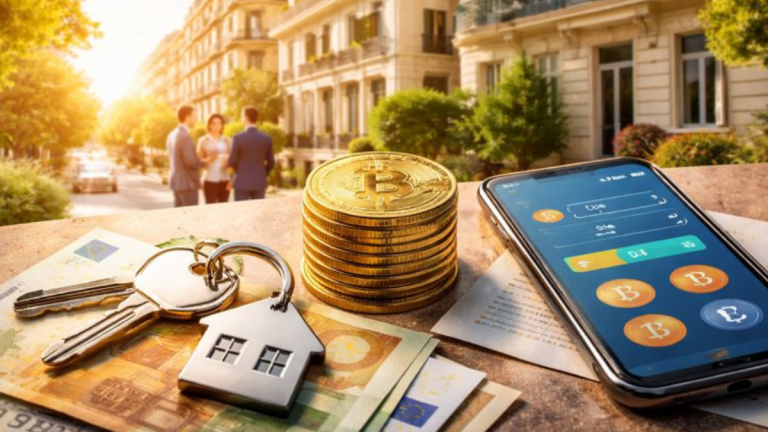
Cryptocurrency has really evolved beyond the screens and wallets we initially associated it with. In Europe, we’re seeing a fascinating trend where affluent investors are using their digital wealth to scoop up real estate. It’s becoming quite common for individuals to turn their crypto assets into tangible homes in some of the continent’s most sought-after locations.
For instance, luxury apartments in the UK, France, Malta, Cyprus, and Andorra are increasingly being purchased with digital currencies. We’re talking about serious investments here, with most transactions ranging from $500,000 to $2.5 million. This shift illustrates how high-net-worth individuals are viewing digital assets differently; rather than keeping their wealth solely in the digital sphere, they’re opting to invest in property, a more traditional and stable asset class, to hedge their risks.
How Crypto Property Deals Actually Work
Crypto holders who want to buy property first go through strict checks on the source of their digital assets. Blockchain analysis tools are used to review wallet histories and ensure the funds were obtained legally and transparently. Every step is recorded, making it possible to trace transactions in detail.
Once the funds pass compliance checks, the buyer is provided with a traditional fiat currency account in their own name. The crypto is then converted, and the payment is sent directly from the buyer to the seller. This could be a property owner or a legal representative handling the transaction.
The biggest crypto threat in 2026 isn’t exchanges or scams — it’s malware already on your phone
Importantly, the money reaching the seller does not come from crypto exchanges or third-party platforms. It comes directly from the buyer after approval. This structure helps sellers feel secure, as they receive funds in standard currency through familiar payment channels.
For buyers, this method is often faster and simpler than traditional international bank transfers. Conventional systems can involve multiple banks, lengthy paperwork, and delays.
Why Banks Are Cautious and Crypto Isn’t Slowing Down
Despite the growing number of deals, traditional banks remain cautious when crypto is involved in large property purchases. Many banks still view digital assets as risky, mainly due to concerns about money laundering and unclear sources of funds.
However, crypto payment platforms argue that blockchain technology allows for deeper and more transparent checks than traditional banking systems. Every transaction is permanently recorded, making it easier to review the history of funds compared to cash-based or complex international transfers.
Australia’s Real Estate Sector Hit Hard by Cyber Scams
This has opened the door for wealthy crypto investors who may otherwise struggle to move large sums through traditional banks. As long as the funds pass strict due diligence, buyers can proceed with property purchases without relying on slow or restrictive banking processes.
At the same time, the number of global crypto millionaires has grown sharply, increasing demand for services that allow large-scale spending. Property has become a natural choice, offering long-term value and stability in well-established European markets.
Stablecoins and the Move Toward Euro-Based Payments
Another noticeable change in crypto real estate transactions is the growing use of euro-pegged stablecoins. Stablecoins are digital currencies designed to hold a steady value by being linked to traditional currencies.
Previously, most large crypto transactions were carried out using dollar-linked stablecoins. While widely accepted, this often meant extra conversion costs when buying property in Europe. Buyers had to convert from digital dollars into euros, adding fees and complexity.
To avoid this, wealthy investors are increasingly using euro-backed stablecoins. This allows them to keep the value of their funds aligned with local property prices and remove exchange rate risks. As a result, average transaction sizes using euro-pegged stablecoins have risen significantly in a short period.
Ro Khanna ignites Washington firestorm with bill banning Trump and officials from trading
crypto currency
For buyers, the appeal is clear. Using a euro-linked digital currency simplifies the process and makes costs more predictable. For sellers and real estate agents, it provides reassurance that payments match local pricing without currency fluctuations.
Real estate agencies across Europe are also becoming more familiar with crypto-backed buyers. Many are now engaging in discussions about how to handle such transactions efficiently, as interest continues to grow among wealthy investors.
Crypto-based property purchases are no longer rare exceptions. They are becoming a quiet but steady part of Europe’s real estate market, driven by wealthy individuals looking to balance digital gains with physical assets. Through structured compliance, direct payments, and the rising use of euro-backed stablecoins, crypto is steadily finding its place in one of the world’s most traditional investment sectors.