

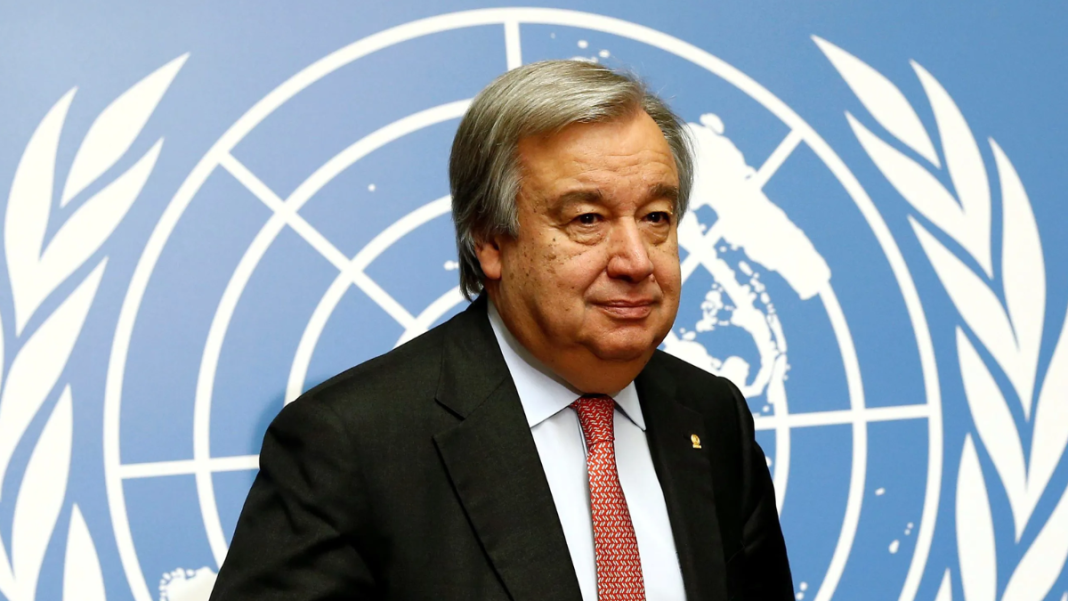

The United Nations (UN) has issued a stark warning about its finances, saying the organization could face “imminent financial collapse” unless urgent measures are taken. UN Secretary-General Antonio Guterres told all 193 member nations that the UN may run out of cash for its regular operations as early as July 2026. This warning comes amid rising unpaid dues from member countries and calls for an overhaul of UN financial rules.
Guterres stressed that unless member nations pay their dues on time or approve changes to the organization’s financial system, the UN may not be able to execute its approved budgets. He emphasized that the situation is extremely urgent, with cash reserves nearly depleted and millions of dollars owed from past years. Without immediate action, the UN’s ability to maintain daily operations, hold international meetings, and carry out humanitarian programs could be seriously compromised.
Antonio Guterres Warns of Financial Crisis
In a letter sent to all member states, Antonio Guterres said the UN faces a severe financial strain. He warned that either countries must honor their obligations fully and on time, or the organization must fundamentally change its financial rules to avoid collapse.
The UN relies heavily on contributions from its 193 member nations to fund its operations. By the end of 2025, the UN had recorded unpaid dues of USD 1.568 billion, which is more than double the amount owed at the end of 2024. These unpaid contributions are affecting the organization’s ability to function normally.
Venezuela blackout wasn’t an accident — insiders point to calculated cyber strike
One of the key problems Guterres highlighted is a rule that requires the UN to pay back unspent funds to member states, even if the money has not yet been received. This means the UN could be expected to return money it never actually received, further straining its limited cash reserves. The Secretary-General said this rule must be changed immediately to prevent the organization from facing a total budget shortfall.
Which Countries Owe Money and How Much?
While Guterres did not single out countries in his letter, the financial crisis is largely driven by unpaid contributions from some major member states. The United States, historically the largest donor, has not paid its mandatory dues, owing USD 2.196 billion for previous years. In addition, it is expected to owe USD 767 million for 2026. The United States also owes USD 1.8 billion for the UN’s peacekeeping operations, which fund military and civilian missions in conflict zones around the world.
Other countries have smaller, yet significant unpaid amounts. Venezuela, for example, owes USD 38 million and has already lost its right to vote in the UN General Assembly because of two years of unpaid dues. The combination of unpaid contributions from large and small member nations has nearly drained the UN’s cash reserves, leaving the organization at risk of not being able to fulfill its USD 3.45 billion regular budget for 2026, which was approved by all 193 member nations.
These overdue payments not only affect the UN’s ability to pay salaries and operate offices but also threaten the organization’s capacity to respond to global crises, including natural disasters, conflicts, and humanitarian emergencies.
Impact on UN Operations
The UN manages a wide range of critical activities that rely on funding from member states. These include peacekeeping missions, humanitarian aid, medical and food assistance, and programs supporting education, development, and global health initiatives.
If the financial crisis is not addressed, some of these programs could face delays or reductions. Peacekeeping missions could struggle to operate in conflict zones, while humanitarian relief programs might be unable to reach communities in urgent need. This could affect millions of people worldwide who depend on UN support.
After Venezuela intervention, U.S. shifts tone toward Colombia to calm Latin America
Antonio Guterres’ warning underscores the urgency of the problem. With millions of dollars in unpaid dues and nearly empty cash reserves, the UN is on the brink of a serious financial crisis. The coming months are crucial, as member nations must either pay their dues promptly or agree to change the rules that govern the organization’s finances. Without such action, the UN’s ability to carry out its essential global missions could be severely limited.
The United Nations’ urgent warning, delivered clearly by Antonio Guterres, highlights the critical importance of timely financial contributions from all member states. The organization is at a crossroads, and the choices made by its member nations in the coming months will determine whether it can continue to operate effectively and support millions of people worldwide.