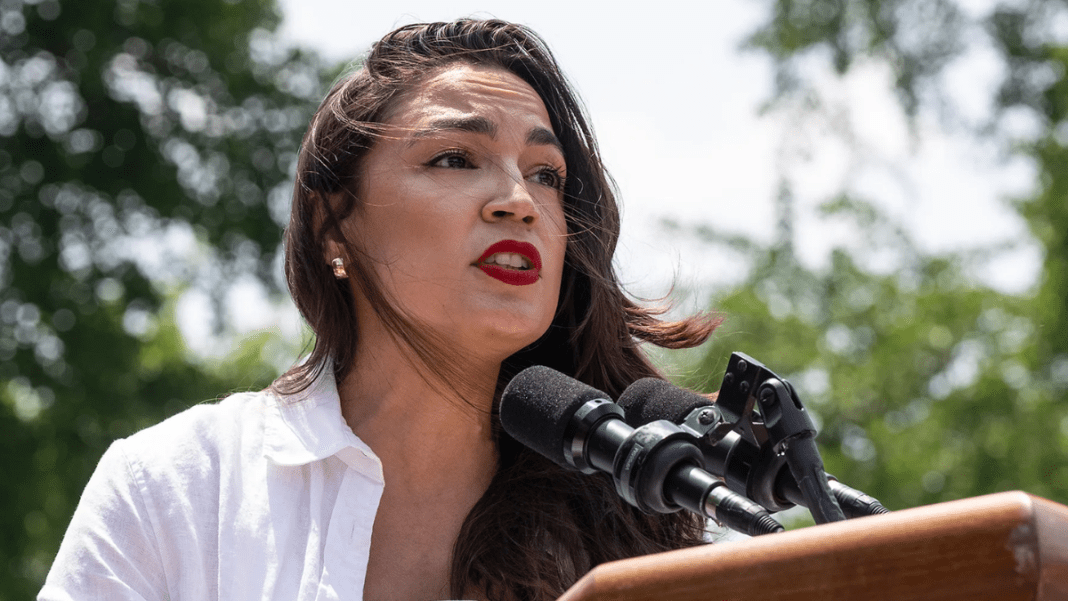

In a recent post on X (formerly Twitter), U.S. Representative Alexandria Ocasio-Cortez (AOC) once again emphasized the importance of protecting America’s social safety nets, highlighting the real-world impact of federal programs like SNAP (Supplemental Nutrition Assistance Program) and ACA (Affordable Care Act). Her message, viewed by thousands within hours, called attention to how these benefits shape the daily lives of working families and low-income individuals across the country.
The Message That Resonated
“The average monthly SNAP benefit is $177 a person. The average ACA benefit is up to $550 a person per month,” Ocasio-Cortez wrote. “People want us to hold the line for a reason. This is not a matter of appealing to a base. It’s about people’s lives. Working people want leaders whose word means something.”
Her post drew immediate attention because it goes beyond numbers — it appeals to moral responsibility and leadership integrity. The statement comes at a time when debates over government spending and social programs have reignited tensions in Congress, with some lawmakers pushing for budget cuts that could directly affect programs like SNAP and ACA.
Understanding the Programs
The Supplemental Nutrition Assistance Program (SNAP), formerly known as food stamps, provides financial assistance to low-income individuals and families to buy essential groceries. According to the U.S. Department of Agriculture, the average monthly benefit per person currently hovers around $177. For millions of Americans, that sum can mean the difference between food security and hunger.
The Affordable Care Act (ACA), meanwhile, offers healthcare subsidies that make insurance affordable for low- and middle-income individuals. Depending on income and location, ACA benefits can reach up to $550 per person per month, significantly reducing the burden of healthcare costs for families.
AOC’s reference to these figures underscores the everyday reality for Americans who depend on these programs — people for whom even small cuts could result in devastating consequences.
A Broader Debate About Values
In recent months, negotiations in Washington have focused heavily on fiscal responsibility and reducing the federal deficit. Some lawmakers argue that cutting back on welfare programs is a necessary step to curb spending. However, AOC and other progressives maintain that such cuts would harm those who are already struggling to make ends meet.
By urging Congress to “hold the line,” Ocasio-Cortez is effectively calling for lawmakers to resist compromising on core social protections. To her, this is not about political gamesmanship but about defending the dignity and well-being of millions of Americans.
“This is not a matter of appealing to a base,” she wrote, signaling that the issue transcends party politics. It’s a matter of moral obligation, she suggested — ensuring that government leaders stand by the promises made to their constituents.
Economic and Human Impact
Critics often argue that programs like SNAP and ACA contribute to federal spending pressures. However, numerous studies show that these programs deliver broad economic benefits. For example, SNAP not only reduces hunger but also stimulates local economies, as funds are spent directly in grocery stores and food markets. Similarly, the ACA has been credited with improving health outcomes, lowering medical debt, and reducing the overall strain on emergency healthcare systems.
Cutting these benefits, economists warn, could have ripple effects — from higher poverty rates to reduced consumer spending, and even increased public health costs over time.
AOC’s remarks appear to highlight precisely this point: that the issue isn’t just financial but deeply human. For working families, these benefits aren’t luxuries — they are lifelines.
Leadership and Integrity
Perhaps the most striking part of AOC’s message is her call for “leaders whose word means something.” It’s a sentiment that resonates across the political spectrum in an era marked by growing public distrust of political institutions. For many Americans, promises of reform and support often fail to materialize into concrete action.
By framing her statement around leadership integrity, AOC positions herself as a voice for accountability — one that demands consistency between what leaders say and what they do. In a political climate often dominated by partisanship, her insistence on sincerity and responsibility carries strong emotional weight.
Public Reaction
The reaction online has been swift and passionate. Supporters praised her for standing firm and speaking directly to the struggles of working-class Americans. Critics, however, questioned the feasibility of sustaining such programs long-term without deeper fiscal reform. The debate mirrors the broader ideological divide over the role of government — whether it should prioritize austerity or compassion in economic policy.
Still, even among critics, there’s acknowledgment that AOC’s message taps into a widespread concern: the erosion of trust between politicians and the people they serve.
The Bigger Picture
Ocasio-Cortez’s post arrives as part of a larger conversation about how the U.S. government defines its priorities. With cost-of-living pressures rising, housing affordability shrinking, and healthcare expenses climbing, millions of Americans find themselves relying more than ever on social support programs.
Her call to “hold the line” reflects a belief that these programs aren’t just numbers on a spreadsheet — they are proof of a functioning, compassionate government.
As the debate continues in Washington, her message serves as both a reminder and a challenge: that policymaking should never lose sight of the human beings behind every statistic.